Cloud Migration Without Downtime: Blue/Green and Cutover Strategies
February 26, 2026
Choosing the Best Cloud GPUs for High-Performance AI/ML Projects
February 26, 2026

How BYO Hardware and Colocation Reduce Your Cloud Infrastructure Costs?
Introduction:
In 2026, the cost of cloud infrastructure has increased as businesses continue to scale their digital operations and data usage. Relying only on traditional cloud services is becoming expensive and less predictable for many organizations. That is why more companies are moving toward colocation and BYO hardware services, bringing your own hardware data center approach to gain better control, flexibility, and long-term cost efficiency.
Understanding Colocation and BYO Hardware Services:
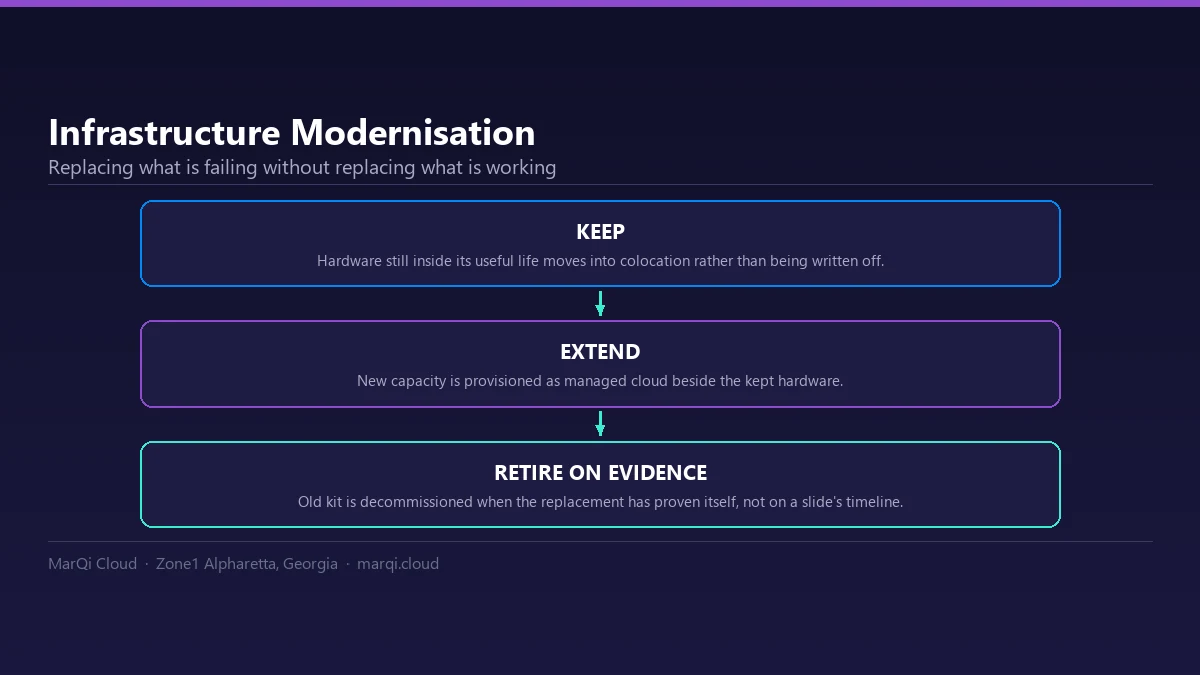
Colocation and BYO hardware services let businesses own their servers and IT equipment while placing them in a safe third-party data centre. This approach reduces the cost and complexity of running a private data centre while giving full control over hardware, configurations, and performance.
How Colocation and BYO Hardware Services Work?
- A data center hosts your servers, storage, and networking equipment.
- Provides essential resources like rack space, power, cooling, and security.
- Includes redundant systems to provide high uptime and reliable performance.
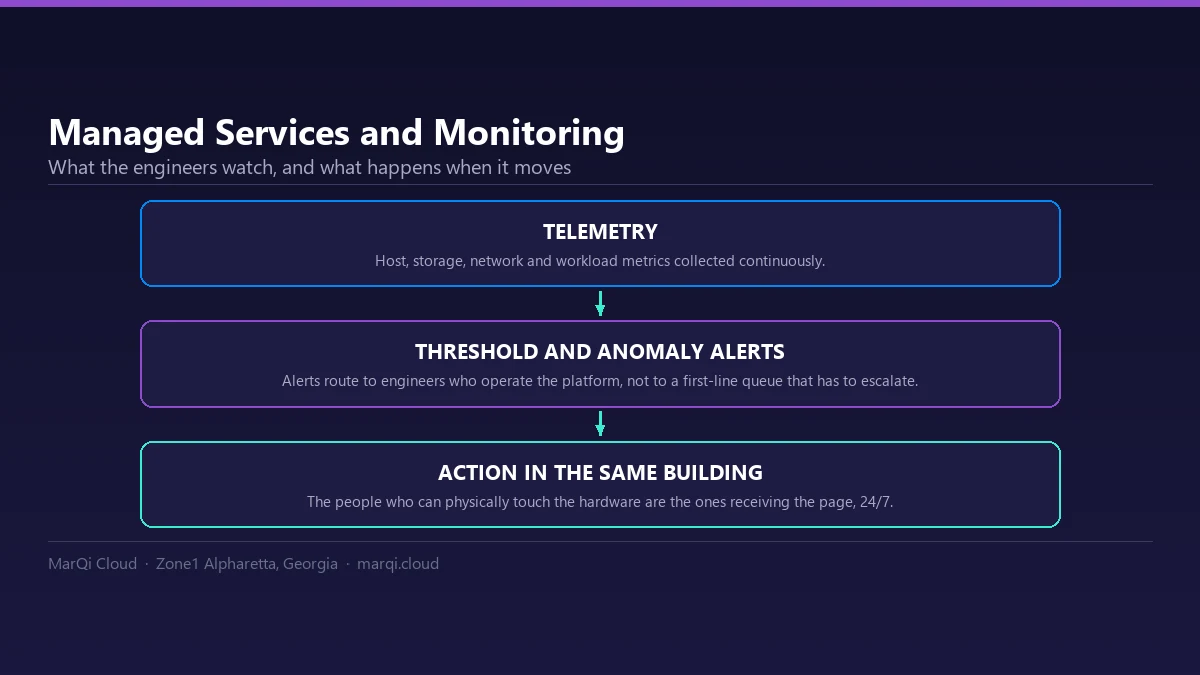
- Offers 24/7 monitoring and continuous connectivity.
- Businesses bring and manage their own hardware, retaining full control over configurations and software.
- Supports flexibility for specialized or legacy applications.
- Companies are responsible for hardware maintenance and replacing failed components.
- Combines the advantages of professional infrastructure with complete ownership of IT assets.
Common use cases:
- Legacy systems that can’t move to the cloud.
- High-performance computing and data-intensive workloads.
- Disaster recovery and business continuity planning.
- Managed IT services or testing labs.
Benefits of Colocation and BYO Hardware Services:
- Lower Costs: Using your own hardware in a professional facility costs less than building and maintaining a private data center, saving money on equipment, space, and staff.
- Simple Expansion: You can easily grow your infrastructure by adding more racks, upgrading hardware, or renting extra space as your business needs increase.
- Reliable Operations: With backup power, advanced cooling, and constant monitoring, your equipment stays up and running with minimal risk of downtime.
- Better Security and Compliance: Professional facilities provide strong security measures and help meet regulatory standards, keeping your hardware and data safe.
- Predictable Expenses: Fixed monthly costs for space, power, and maintenance make budgeting easier and reduce unexpected expenses.
How BYO Hardware Benefits Your Business?
Bring Your Own Hardware (BYO) is a setup where a business operates using its own servers, storage, and network equipment instead of leasing or using someone else’s hardware. It lets companies fully control their IT systems, manage maintenance, and customize hardware for their needs. BYO also allows direct access to equipment while still using professional facilities for power, cooling, and network connections.
Key Advantages of Using Your Own Hardware:
- Complete Control: You manage your own servers and networking equipment, choosing configurations that best suit your business needs.
- Customized Performance: Deploy specialized hardware, like GPUs for AI workloads or high-speed storage for large datasets.
- Cost Management: Avoid recurring hardware rental fees and reduce long-term operational costs.
- Flexibility: Scale your IT infrastructure as needed, whether adding a few servers or deploying large, high-performance setups.
- Improve Security: You maintain physical control over your devices, reducing dependency on third-party hardware.
Best applications:
- AI and machine learning training requiring long-term, consistent processing power.
- Rendering farms for animation, VFX, or graphics-heavy projects.
- Research labs with grant-funded or specialized equipment.
- Cryptocurrency operations need predictable power and network costs.
Benefits of Bringing Your Own Hardware:
Bringing your own hardware to a data centre lets businesses use their own servers while taking advantage of professional facilities. This approach saves money, improves security, and provides better performance than on-site server rooms.
Key Benefits:
- Cost Savings: Avoid buying new hardware and reduce power, cooling, and maintenance costs.
- Improve Security: Data centres provide 24/7 monitoring, access control, and fire protection.
- High Performance and Uptime: Climate-controlled environments with redundant power and network connections reduce downtime.
- Flexibility: Easily scale by adding more equipment as your business grows.
- Customization: Use specialized hardware for specific workloads.
- Reliability: Stable power and high-speed internet keep systems running smoothly.
Security tips for BYO Hardware:
Maintaining security for your own hardware is critical:
- Monitor all access to physical servers.
- Implement strong authentication and encryption for network connections.
- Keep hardware in controlled, restricted environments.
- Schedule regular maintenance to prevent failures and vulnerabilities.
- Backup critical data to prevent data loss.
Reliable Custom Colocation Solutions for your Servers:
Custom server colocation is when a business places its own servers in a professional data center with a setup designed to match its specific needs. The company keeps full control of its hardware, while the data center takes care of power, cooling, security, and stable network connectivity.
How does Custom Server Colocation work?
- You place your own servers, storage, and networking devices in a data centre.
- The provider manages power, cooling, monitoring, and physical security.
- Your IT team controls the hardware, software, and configurations.
- You can easily expand by adding more racks or servers when your needs grow.
Main features:
- Full ownership and control of your equipment.
- Customized rack space, power usage, and cooling levels.
- Safe facility with 24/7 surveillance and backup power.
- Fast and reliable network connections.
Benefits of Custom Server Colocation:
- Saves money compared to building and maintaining a private data centre.
- Provides strong physical and environmental security.
- Provides reliable uptime with backup power and efficient cooling systems.
- Offers flexibility to scale infrastructure anytime.
- Delivers better performance for heavy workloads and critical systems.
Key applications:
- Businesses running mission-critical applications.
- Healthcare and finance sectors with strict compliance needs.
- Companies handling large data processing or AI workloads.
- Organizations that require full control over their servers.
Overall, custom server colocation is a simple and reliable solution for businesses that want a safe, scalable, and customizable hosting environment while still keeping complete control over their own hardware.
Ways to Reduce Data Center Capex:
Reducing data centre Capex (Capital Expenditure) means lowering the high upfront costs of building and running a data centre, including servers, storage, networking, power, cooling, and construction. Smart strategies can help businesses save money while keeping operations efficient and reliable.
Key Strategies to Reduce Data Center Capex:
- Use Colocation or Cloud Services: Rent space in a third-party data centre instead of building your own, which shifts high upfront costs to regular operational expenses and helps reduce data centre capex.
- Modular and Scalable Designs: Prefabricated or modular setups allow you to add capacity gradually, avoiding big initial investments.
- Refurbished Hardware and Third Party Maintenance (TPM): Using refurbished equipment and TPM services reduces the need to buy expensive new hardware and helps reduce data centre capex.
- Energy Efficient Power and Cooling: Advanced systems save costs by reducing the need for large generators and traditional cooling.
- Simplified Construction: Streamlining design and building processes can cut costs by 10 to 20%.
Additional cost-saving methods:
- Server Virtualization: Run multiple virtual servers on a single physical machine to save hardware, energy, and maintenance costs.
- Recycling and IT Asset Disposition (ITAD): Properly recycle old IT equipment to recover value and reduce spending.
- Buyback Programs: Sell retired IT assets to recoup investment and lower total ownership costs.
Why is Reducing Capex Important?
High upfront costs make data centres expensive. Reducing Capex allows businesses to:
- Save capital for other priorities.
- Avoid overspending on unused infrastructure.
- Scale operations as needed.
- Invest in sustainable, energy-efficient solutions.
Challenges:
- Power Supply: Large data centers need reliable power, sometimes requiring backup systems or alternative energy.
- Cooling Systems: High-density servers generate heat and need efficient cooling to prevent damage.
- Limited Skilled Personnel: Building and running data centres requires trained staff, which can be costly if there’s a shortage.
- Supply Chain Delays: Equipment like generators or networking hardware can take longer to get, increasing costs.
Understanding Hardware Lifecycle Management:
Hardware lifecycle management is the process of managing IT hardware from start to finish, from planning and buying, to using, maintaining, and eventually retiring or disposing of it. The goal is to make sure your hardware is used efficiently, stay safe, and deliver the best value throughout its life. Rather than reacting to problems, this approach is proactive, keeping everything running smoothly.
Key Stages of Hardware Lifecycle Management:
- Planning & Procurement:
- Choose hardware that meets current needs and future growth.
- Consider performance, compatibility, and security.
- Plan purchases carefully to avoid overspending.
- Deployment & Integration:
- Install and configure hardware properly.
- Integrate with your existing systems and networks.
- Tag and track assets for easy management.
- Maintenance & Optimization:
- Perform updates, repairs, and monitoring regularly.
- Keep hardware reliable and extend its lifespan.
- Prevent issues before they become problems.
- Retirement & Disposal:
- Safely erase all data.
- Reuse, recycle, or dispose of old hardware responsibly.
- Follow environmental and compliance standards.
Why does it matter?
- Cost Savings:
- Avoid unnecessary emergency replacements.
- Planned upgrades and maintenance save money.
- Helps maximize the value of your IT assets.
- Better Performance:
- Confirms your systems run smoothly.
- Reduces downtime and keeps productivity high.
- Security & Compliance:
- Protects sensitive data.
- Helps meet regulatory requirements.
- Sustainability:
- Promotes recycling and repurposing.
- Supports environmentally friendly practices.
Benefits of Hardware Lifecycle Management:
- Longer lifespan for IT assets.
- Reduced unexpected costs.
- Improved system performance and reliability.
- Stronger security and compliance.
- Efficient, future-ready IT infrastructure.
Essential steps:
- Keep an up-to-date inventory of all hardware.
- Align hardware decisions with business goals.
- Build security into every stage of the lifecycle.
- Plan for responsible disposal and recycling.
- Use management tools to track and automate tasks.
Why choose MarQi Cloud:
- MarQi Cloud offers an independent data center with high-speed storage clusters and stable network systems.
- Supports bring your own hardware (BYO) setups and custom server colocation, reliable to business needs.
- Provides a cost-effective solution to reduce overall IT expenses.
Reasons to choose MarQi Cloud:
- Scalable design to grow with your business.
- Safe and high-performance environment for critical workloads.
- Optimized hardware usage reduces long-term operational costs.
Conclusion:
Businesses looking for efficient and cost-effective IT solutions can benefit from colocation and BYO services. MarQi Cloud offers independent data centers with reliable storage, high-performance networks, and scalable infrastructure, helping companies reduce costs, improve performance, and plan for future growth.