The MarQi Cloud Break-Even Calculator: When Does Switching Actually Pay Off?
April 3, 2026
Why MarQi Cloud’s No-Egress-Fee Policy Is Worth Thousands Annually to Growing Businesses
April 4, 2026
How MarQi Cloud Reserved Capacity Works — And Why It’s Not Like AWS Reserved Instances
In the rapidly evolving world of cloud computing, businesses are continuously looking for solutions that offer flexibility, reliability, and cost-effectiveness. Among the various offerings in the cloud space, reserved capacity stands out as a strategic choice for organizations aiming to optimize their cloud expenditures while ensuring that their infrastructure meets the demands of their operations. In this article, we will delve into how MarQi Cloud’s reserved capacity works and highlight the key differences from AWS Reserved Instances.
Understanding Reserved Capacity
Reserved capacity is a cloud computing model that allows businesses to reserve a specific amount of computing resources for a defined period. This model is particularly beneficial for organizations that have predictable workloads or need to ensure resource availability during peak times. With reserved capacity, companies can effectively manage costs and optimize performance, as they can secure cloud resources ahead of time.
How MarQi Cloud Reserved Capacity Works
MarQi Cloud offers a unique approach to reserved capacity, designed to cater to the diverse needs of enterprises. Here’s how it works:
1. Flexible Commitment Periods
MarQi Cloud allows clients to select from various commitment periods, ranging from one month to multiple years. This flexibility enables organizations to align their cloud resource commitments with their specific business timelines, whether they are planning for short-term projects or long-term strategic initiatives.
2. Customizable Resource Allocation
Unlike many cloud providers, MarQi Cloud provides customizable resource allocation options. Clients can tailor their reserved capacity to meet their exact requirements, including CPU, memory, and storage configurations. This ensures that businesses only pay for the resources they need, avoiding the waste that often accompanies rigid resource packages.
3. Seamless Integration with Hybrid Cloud Models
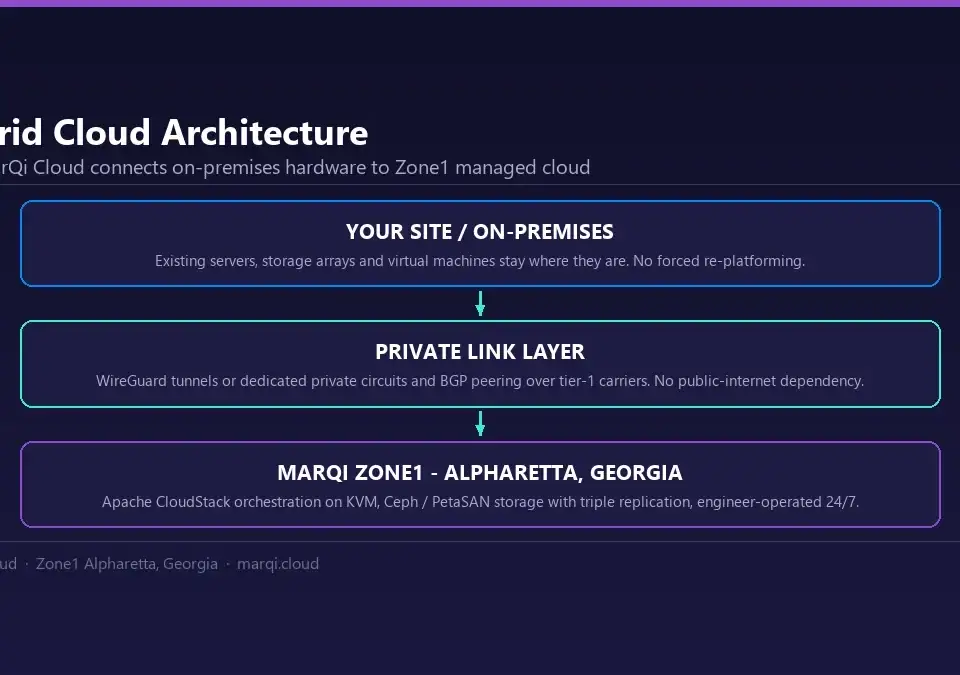
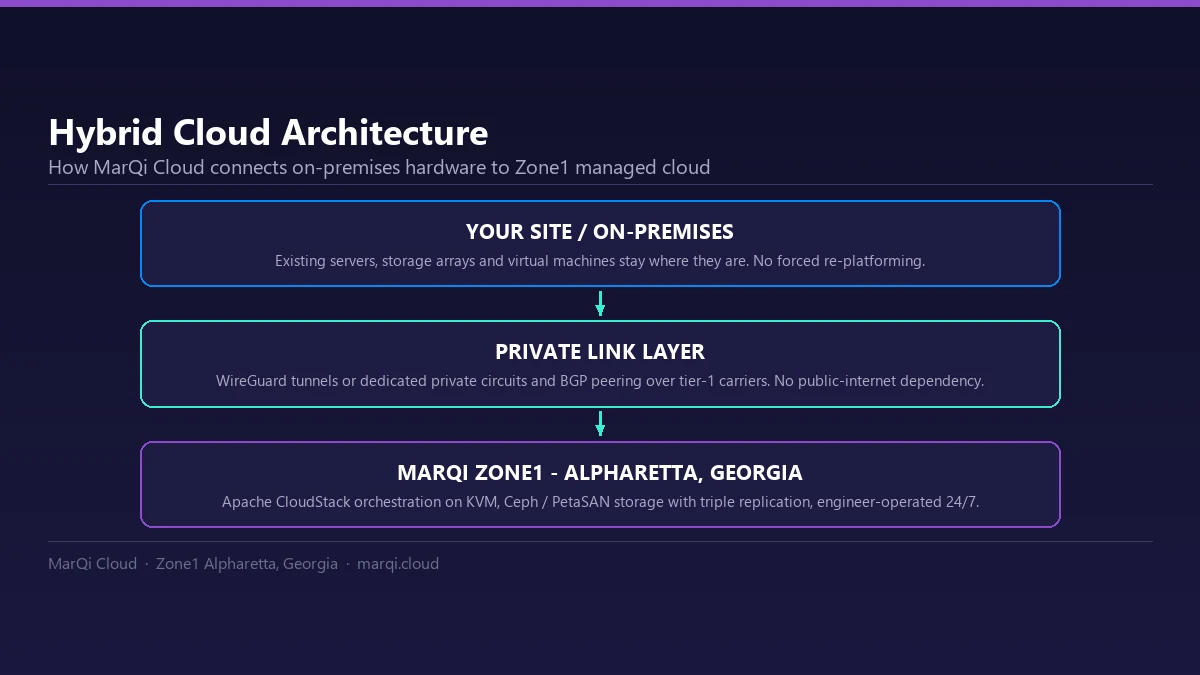
MarQi Cloud excels in providing hybrid cloud deployment models. Reserved capacity can be integrated seamlessly into existing hybrid infrastructures, allowing businesses to leverage both on-premises and cloud resources. This capability is particularly advantageous for organizations that want to maintain certain workloads on-premises while scaling up their cloud capabilities.
4. Competitive Pricing Models
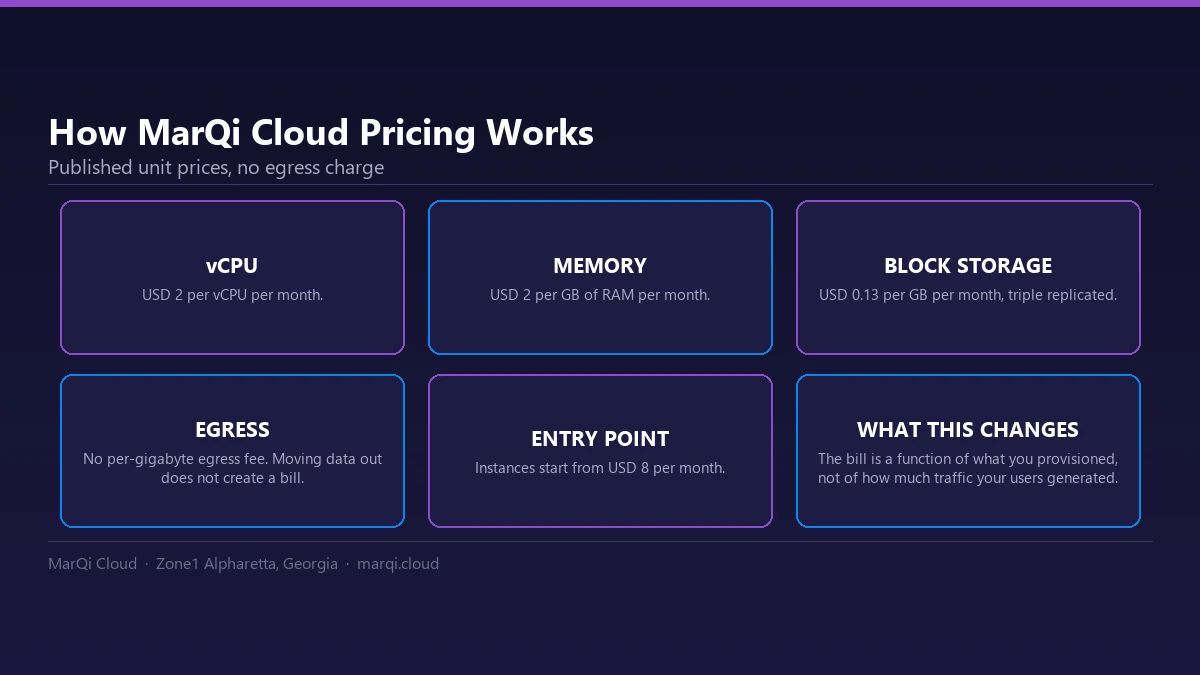
MarQi Cloud offers flexible pricing models for reserved capacity, which can be more advantageous compared to traditional pay-as-you-go pricing. By opting for reserved capacity, clients can benefit from significant cost savings, especially when their workloads are consistent and predictable. This pricing structure allows organizations to budget effectively and allocate resources strategically.
5. US-Based Infrastructure and Support
One of the core value propositions of MarQi Cloud is its US-based infrastructure and support. This means that clients can expect high performance and reliability, as well as responsive customer service. MarQi Cloud’s dedicated support team is available to assist clients in optimizing their reserved capacity and ensuring that their cloud environments run smoothly.
Why MarQi Cloud Reserved Capacity is Not Like AWS Reserved Instances
While both MarQi Cloud reserved capacity and AWS Reserved Instances serve similar purposes, there are significant differences that set them apart. Here are some key distinctions:
1. Flexibility and Customization
One of the primary differences lies in the level of flexibility and customization offered. AWS Reserved Instances often come with predefined instance types and sizes, limiting the options for resource allocation. In contrast, MarQi Cloud allows clients to configure their reserved capacity based on their unique requirements, providing greater control over resource management and allocation.
2. Commitment Period Choices
AWS typically offers longer commitment periods for reserved instances, often ranging from one to three years. MarQi Cloud, however, provides a broader range of commitment options, including monthly reservations. This allows businesses to scale their cloud resources more dynamically in response to changing demands.
3. Hybrid Cloud Compatibility
MarQi Cloud is specifically designed to accommodate hybrid cloud environments, making it easier for businesses to integrate reserved capacity with their on-premises resources. AWS has hybrid solutions, but they may not provide the same level of seamless integration as MarQi Cloud, especially for organizations that require a balanced approach between cloud and on-premises infrastructure.
4. Pricing Transparency
MarQi Cloud emphasizes transparent pricing models, ensuring that clients are fully aware of their costs associated with reserved capacity. AWS, on the other hand, can sometimes lead to confusion with its complex pricing tiers and additional fees for certain services. MarQi Cloud’s straightforward pricing helps clients avoid unexpected charges and better manage their budgets.
The Benefits of MarQi Cloud Reserved Capacity
Choosing MarQi Cloud reserved capacity comes with a host of advantages:
1. Cost Savings
By reserving capacity, organizations can achieve significant cost savings compared to on-demand pricing models. This is particularly beneficial for businesses that have consistent workloads, allowing them to allocate their budgets more effectively.
2. Guaranteed Resource Availability
Reserved capacity ensures that businesses have access to the resources they need when they need them. This is critical for organizations that depend on cloud infrastructure for mission-critical applications, as it minimizes the risk of downtime or resource shortages.
3. Scalability
MarQi Cloud’s reserved capacity is designed with scalability in mind. As businesses grow and their resource needs evolve, they can easily adjust their reserved capacity to accommodate new demands without the hassle of reconfiguring their entire cloud environment.
4. Enhanced Performance
With reserved capacity, businesses can enjoy improved performance, as they are guaranteed dedicated resources that are not subject to contention with other users. This is particularly important for applications that require consistent performance levels.
Frequently Asked Questions (FAQ)
1. What is reserved capacity, and how does it differ from on-demand resources?
Reserved capacity allows businesses to reserve specific cloud resources for a set period, ensuring availability and cost savings, while on-demand resources are billed based on actual usage without long-term commitments.
2. How do I determine if reserved capacity is right for my business?
If your organization has predictable workloads and requires consistent resource availability, reserved capacity may be the right choice for you.
3. Can I change my reserved capacity after I make a commitment?
Yes, MarQi Cloud allows for modifications to your reserved capacity, enabling you to adjust resources as your business needs change.
4. What types of resources can I reserve with MarQi Cloud?
MarQi Cloud allows you to reserve compute, memory, and storage resources tailored to your specific requirements.
5. Is there a minimum commitment period for reserved capacity?
MarQi Cloud offers flexible commitment periods, including options as short as one month.
6. How does MarQi Cloud ensure the performance of reserved capacity?
MarQi Cloud guarantees dedicated resources for your reserved capacity, minimizing contention and ensuring optimal performance.
7. Can I integrate reserved capacity with other cloud services?
Yes, MarQi Cloud’s reserved capacity can be integrated with hybrid cloud deployments and other cloud services for a comprehensive solution.
8. What support options are available for businesses using reserved capacity?
MarQi Cloud provides US-based infrastructure and dedicated support to assist businesses in optimizing their reserved capacity and addressing any technical issues.
Conclusion
MarQi Cloud’s reserved capacity offers a flexible and customizable solution for businesses seeking to optimize their cloud infrastructure. By understanding the unique features and advantages of MarQi Cloud, organizations can make informed decisions that align with their strategic goals. Whether you are looking to enhance your cost management or ensure resource availability, MarQi Cloud’s reserved capacity is designed to empower your organization in the cloud era.