Maximize Savings: How Spot Instances and Preemptible VMs Cut Hosting Costs
August 6, 2026
The Complete Guide to Multi-Cloud Cost Comparison and Vendor Negotiation
August 6, 2026
What are cloud cost transparency tools?
Cloud cost transparency tools are software solutions that provide organizations with detailed insights into their cloud spending, helping them track, analyze, and optimize costs.
Why Cloud Cost Transparency Tools Empower Teams to Control Spending
In today’s rapidly evolving digital landscape, businesses are increasingly turning to cloud services to enhance their operational efficiency and scalability. However, as organizations migrate to the cloud, they often face a daunting challenge: understanding and controlling their cloud spending. This is where cloud cost transparency tools come into play. These tools not only provide visibility into spending but also empower teams to take ownership of their budgets and make informed decisions. In this article, we will explore the significance of cloud cost transparency tools, how they work, and the benefits they bring to organizations, particularly for enterprise-level clients using services like MarQi Cloud’s hybrid infrastructure solutions.
What Are Cloud Cost Transparency Tools?
Cloud cost transparency tools are software solutions designed to provide organizations with detailed insights into their cloud spending. These tools allow businesses to track, analyze, and optimize their cloud expenditures by breaking down costs across various dimensions such as projects, departments, and usage patterns. By providing a clear picture of where money is being spent, these tools facilitate better budgeting and financial planning.
The Importance of Cost Transparency in Cloud Computing
As organizations increasingly adopt cloud services, the complexity of managing cloud costs escalates. According to a report by Gartner, global public cloud spending was projected to reach $600 billion in 2023, making cost management a critical aspect for businesses. Without transparency, organizations may experience unexpected costs, budget overruns, and inefficiencies that can hinder their overall performance.
Cost transparency is essential for several reasons:
- Accountability: When teams have visibility into their spending, they are more likely to be accountable for their decisions, leading to more prudent resource allocation.
- Optimization: Understanding where and how money is spent allows organizations to identify areas for optimization, such as rightsizing resources or eliminating waste.
- Forecasting: Accurate financial forecasting becomes possible with detailed insights into spending patterns, enabling organizations to plan better for future growth.
How Do Cloud Cost Transparency Tools Work?
Cloud cost transparency tools operate by integrating with cloud service providers to gather data on usage and expenditures. These tools typically provide features such as:
- Usage Tracking: Monitoring resource usage across various cloud services to identify trends and anomalies.
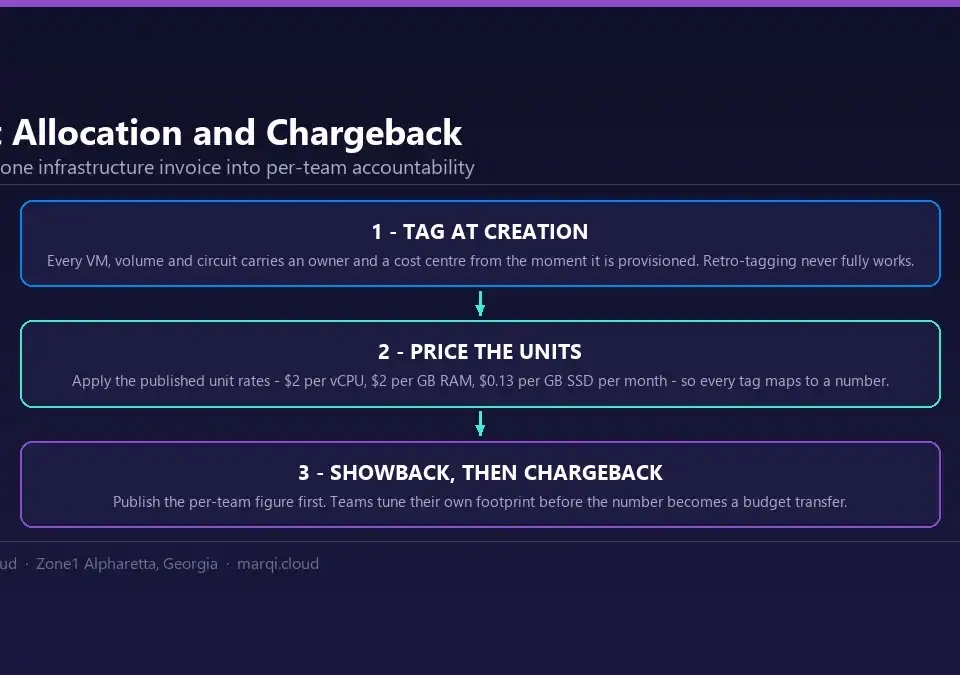
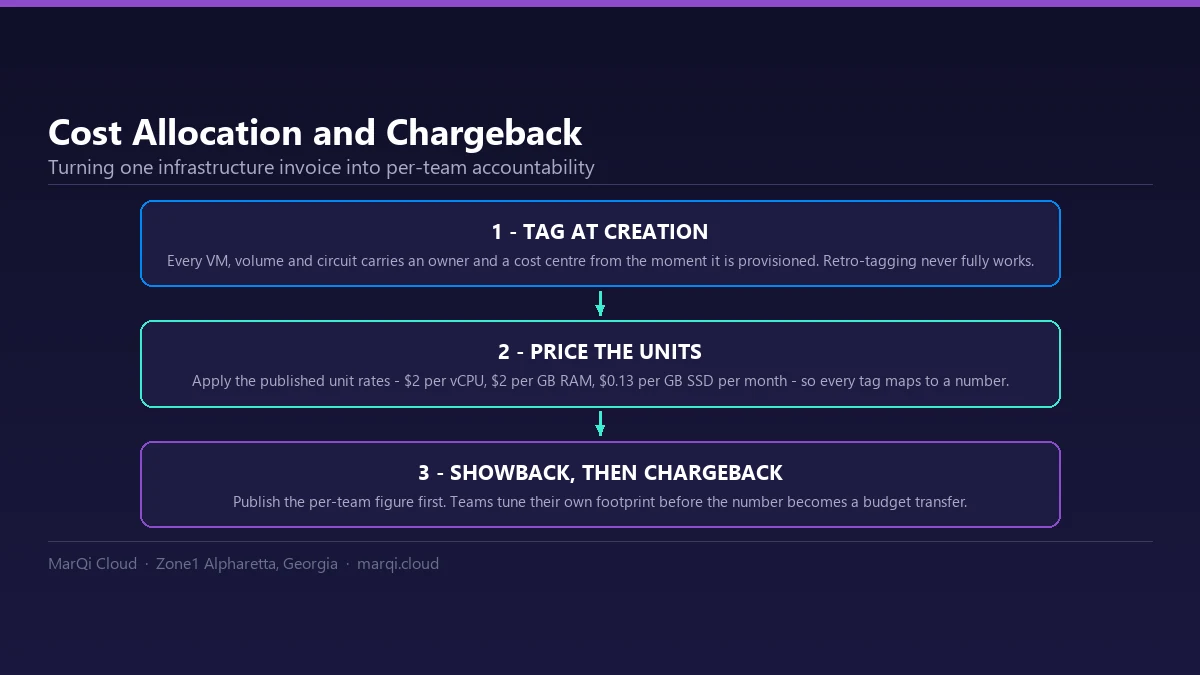
- Cost Allocation: Assigning costs to specific projects or departments, allowing for granular visibility.
- Analytics and Reporting: Generating reports and visualizations that help teams understand their spending patterns.
For instance, MarQi Cloud offers a comprehensive suite of management tools that enable clients to monitor their hybrid cloud infrastructure efficiently. By leveraging these tools, organizations can gain insights into their resource utilization, costs associated with different services, and potential savings opportunities.
Benefits of Using Cloud Cost Transparency Tools
Implementing cloud cost transparency tools can yield numerous benefits for organizations:
| Benefit | Description |
|---|---|
| Enhanced Visibility | Organizations gain a clear understanding of their cloud spending, allowing for informed decision-making. |
| Cost Optimization | By identifying underutilized resources, businesses can optimize their cloud environments and reduce costs. |
| Improved Budgeting | Teams can create more accurate budgets based on historical spending data and usage patterns. |
| Increased Accountability | Cost transparency fosters a culture of accountability among teams, encouraging responsible spending. |
| Better Financial Forecasting | Organizations can make more reliable financial forecasts, leading to better strategic planning. |
Best Practices for Implementing Cost Transparency Tools
To maximize the benefits of cloud cost transparency tools, organizations should consider the following best practices:
- Choose the Right Tool: Select a tool that aligns with your organization’s specific needs and integrates seamlessly with your existing cloud infrastructure.
- Establish Clear Policies: Define clear policies regarding cloud usage and spending to guide teams in their decision-making.
- Train Your Teams: Provide training to your teams on how to effectively use the cost transparency tools and interpret the data.
- Regular Reviews: Conduct regular reviews of cloud spending and usage to ensure alignment with business goals.
- Encourage Collaboration: Foster collaboration between IT and finance teams to create a unified approach to cloud spending.
Case Studies and Real-World Examples
Organizations that have adopted cloud cost transparency tools have seen significant improvements in their spending management. For example, a leading SaaS company implemented a cloud cost transparency tool and reported a 30% reduction in unnecessary cloud expenditures within the first six months. By identifying underutilized resources and reallocating them, the company was able to reallocate funds to critical projects, enhancing overall productivity.
Another example comes from a healthcare organization that leveraged MarQi Cloud’s cost transparency tools to achieve compliance with healthcare regulations while managing costs effectively. They were able to monitor their cloud spending in real-time, ensuring that they stayed within budget while maintaining high-quality service delivery.
Expert Tips for Managing Cloud Costs
Additionally, consider implementing automated scaling solutions that adjust resources based on demand. This not only optimizes costs but also enhances performance during peak usage periods.
Frequently Asked Questions
1. What are cloud cost transparency tools?
Cloud cost transparency tools are software solutions that provide organizations with detailed insights into their cloud spending, helping them track, analyze, and optimize costs.
2. Why is cost transparency important?
Cost transparency is crucial for accountability, optimization, and accurate financial forecasting, allowing organizations to manage their cloud budgets effectively.
3. How do these tools help in budgeting?
These tools provide historical spending data and usage patterns, enabling teams to create more accurate budgets and financial forecasts.
4. Can cloud cost transparency tools reduce spending?
Yes, by identifying underutilized resources and optimizing spending, organizations can significantly reduce unnecessary cloud expenditures.
5. How often should I review cloud spending?
Regular reviews should be conducted, ideally on a monthly basis, to ensure spending aligns with organizational goals and budgets.
6. What should I look for in a cloud cost transparency tool?
Look for features like usage tracking, cost allocation, and robust analytics capabilities to ensure the tool meets your organization’s needs.
7. How do I train my team on these tools?
Provide comprehensive training sessions and resources to ensure your team understands how to use the tools effectively and interpret the data accurately.
8. Are there any external resources for further learning?
Yes, resources such as the Google Cloud Cost Management documentation and AWS Cost Management tools offer valuable insights into managing cloud costs.
Conclusion
Cloud cost transparency tools are vital for organizations looking to take ownership of their cloud spending. By providing detailed insights into expenditures, these tools empower teams to make informed decisions, optimize resources, and ultimately drive business success. As cloud spending continues to rise, the importance of transparency and accountability cannot be overstated. For enterprise clients seeking to enhance their cloud cost management strategies, leveraging tools like those offered by MarQi Cloud can lead to significant improvements in financial performance and operational efficiency.