Why Serverless Architecture Reduces Infrastructure Management Overhead
August 6, 2026
Why Daily Monitoring of Cloud Spending Prevents Cost Anomalies
August 7, 2026
How Network Architecture Decisions Impact Monthly Cloud Infrastructure Bills
In today’s fast-paced digital world, organizations increasingly rely on cloud infrastructure to host applications, manage data, and enable seamless connectivity. However, many enterprises overlook a critical aspect that can significantly affect their monthly cloud infrastructure bills: network architecture decisions. Understanding how these decisions impact costs is essential for businesses seeking to optimize their cloud spending while ensuring robust performance and security. This article will explore the intricacies of network architecture, the factors that influence cloud billing, and actionable strategies to manage costs effectively.
Understanding Network Architecture
Network architecture refers to the design and layout of a network, encompassing the hardware, software, protocols, and services that facilitate communication between devices. In a cloud environment, network architecture plays a pivotal role in determining the performance, security, and cost-effectiveness of cloud services. Key components include:
- Network Topology: The arrangement of different elements in a network, such as star, mesh, or hybrid topologies, can influence performance and cost.
- Bandwidth: The amount of data that can be transmitted over a network at any given time directly affects transfer speeds and costs.
- Latency: The delay in data transmission can impact application performance, especially for real-time applications.
- Redundancy: Implementing redundant components can enhance reliability but may increase costs.
Each of these elements contributes to the overall architecture and can lead to variations in monthly cloud infrastructure bills. For instance, a complex network topology may require additional resources, leading to higher costs.
Cost Factors in Cloud Infrastructure
When evaluating cloud infrastructure costs, several factors come into play. These include:
- Resource Usage: Cloud providers typically charge based on usage metrics such as compute power, storage, and network traffic. Understanding how network architecture influences these metrics is crucial for managing costs.
- Data Transfer Fees: Many cloud providers impose fees for data egress (data leaving the cloud) and ingress (data entering the cloud). Network architecture decisions can affect the volume of data transferred, thus impacting costs.
- Service Level Agreements (SLAs): Higher SLAs often come with increased costs. Businesses need to balance performance needs with their budget.
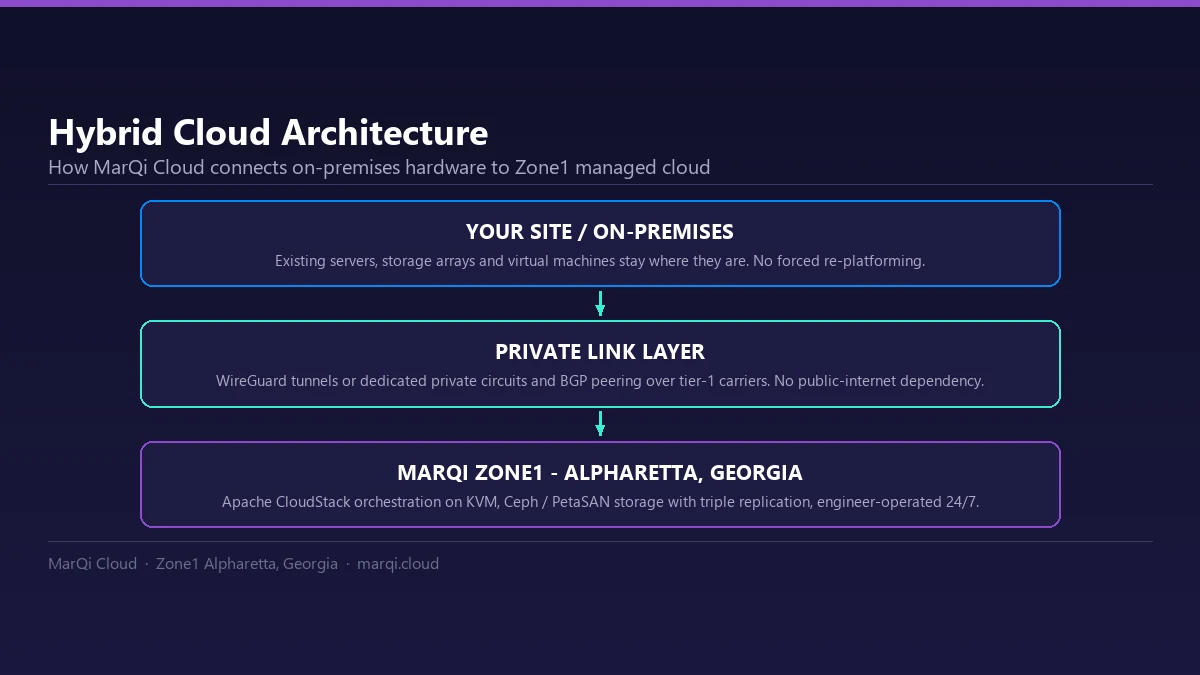
- Geographic Distribution: The location of cloud resources and users can influence latency and data transfer costs. Hybrid cloud solutions, such as those offered by MarQi Cloud, can help manage these expenses effectively.
Understanding these cost factors enables organizations to make informed decisions about their network architecture, ultimately influencing their monthly cloud bills.
Impact of Network Design on Costs
The design of a network can have both direct and indirect effects on cloud infrastructure costs. Here are several ways network architecture decisions can impact monthly bills:
1. Bandwidth Allocation
Bandwidth allocation is a critical factor in determining cloud costs. Insufficient bandwidth can lead to increased latency and slow application performance, prompting businesses to invest in higher-tier plans or additional resources. Conversely, over-provisioning bandwidth can lead to unnecessary expenses. Organizations should analyze their bandwidth requirements and choose plans that align with their actual usage.
2. Data Transfer Costs
Data transfer costs can escalate quickly, especially for businesses that frequently move large volumes of data between cloud services or to on-premises locations. For instance, if a company relies heavily on data egress, it can incur significant fees. By optimizing the network architecture to minimize unnecessary data transfers, organizations can significantly reduce their monthly bills.
3. Redundancy and Reliability
While redundancy is essential for ensuring network reliability, it can also contribute to increased costs. Organizations must strike a balance between ensuring uptime and managing expenses. For example, using multiple data centers for redundancy can enhance reliability but may lead to higher operational costs. A well-planned network architecture can help organizations achieve this balance.
4. Security Measures
Implementing robust security measures is vital for protecting cloud resources, but these measures can also impact costs. For instance, advanced firewalls, intrusion detection systems, and encryption services can add to monthly bills. Organizations must evaluate their security needs in the context of their overall network architecture and budget constraints.
5. Geographic Distribution
The geographic distribution of cloud resources can significantly influence latency and data transfer costs. For organizations with a global presence, strategically placing resources closer to end-users can improve performance and reduce costs. Hybrid cloud solutions, such as those offered by MarQi Cloud, provide flexibility in managing geographic distribution without incurring excessive costs.
6. Integration of APIs
Many organizations rely on APIs to connect various cloud services and applications. However, poorly designed API integrations can lead to inefficiencies and increased costs. A well-thought-out network architecture can optimize API usage, reducing the potential for unnecessary data transfers and associated fees.
Strategies for Optimizing Network Architecture
To effectively manage cloud costs, organizations should consider implementing the following strategies:
1. Conduct a Network Assessment
Begin by assessing the current network architecture to identify areas for improvement. This assessment should include bandwidth usage, data transfer volumes, and latency metrics. Tools such as network performance monitoring solutions can provide valuable insights into network efficiency.
2. Implement Cost Management Tools
Many cloud providers offer cost management tools that allow organizations to monitor and optimize their spending. Utilizing these tools can help identify trends, forecast costs, and make data-driven decisions about network architecture.
3. Optimize Data Transfers
Minimize data transfer costs by optimizing data flows and reducing unnecessary transfers. Consider implementing caching solutions to store frequently accessed data closer to users, reducing the need for repeated data egress.
4. Leverage Hybrid Cloud Solutions
Hybrid cloud solutions, such as those provided by MarQi Cloud, offer flexibility in managing resources across public and private environments. This flexibility can help organizations optimize costs by strategically placing workloads based on performance and cost considerations.
5. Regularly Review SLAs
Regularly reviewing service level agreements can help organizations ensure they are receiving the performance they need without overpaying. Adjusting SLAs based on changing business needs can lead to cost savings.
6. Focus on Security Efficiency
Implement security measures that provide maximum protection without unnecessary expenses. For example, consider using cost-effective solutions such as virtual firewalls and intrusion prevention systems that align with budget constraints.
Case Studies and Examples
To illustrate the impact of network architecture decisions on cloud costs, let’s explore a few case studies:
Case Study 1: E-commerce Business
An e-commerce business experienced skyrocketing cloud bills due to high data transfer costs. After conducting a thorough assessment, they discovered that their network architecture was inefficient, leading to excessive data egress. By implementing caching solutions and optimizing data flows, they reduced their monthly cloud expenses by 30%.
Case Study 2: Healthcare Provider
A healthcare provider faced challenges with latency and data security. By leveraging a hybrid cloud solution, they strategically placed sensitive data in a private cloud while utilizing public cloud resources for less critical applications. This approach not only improved security but also reduced overall infrastructure costs by 25%.
Case Study 3: Financial Services Firm
A financial services firm struggled with compliance and security costs. They implemented a well-structured network architecture that included advanced security measures while optimizing bandwidth usage. This resulted in improved compliance and a 20% reduction in monthly cloud expenditures.
FAQ
What factors influence cloud infrastructure costs?
Cloud infrastructure costs are influenced by resource usage, data transfer fees, service level agreements, and geographic distribution of resources.
How can network architecture decisions impact cloud bills?
Network architecture decisions can influence bandwidth allocation, data transfer costs, redundancy, security measures, and geographic distribution, all of which affect monthly bills.
What is the importance of bandwidth in cloud costs?
Bandwidth impacts data transfer speeds and can lead to increased costs if not appropriately allocated. Over-provisioning can lead to unnecessary expenses.
How can organizations optimize data transfers?
Organizations can optimize data transfers by minimizing unnecessary transfers, implementing caching solutions, and strategically placing data closer to users.
What role do hybrid cloud solutions play in cost management?
Hybrid cloud solutions offer flexibility in managing resources across public and private environments, allowing organizations to optimize costs based on performance and budget considerations.
How often should organizations review their SLAs?
Organizations should regularly review their SLAs to ensure they align with current business needs and do not lead to overpayment.
What are some effective strategies for cost management?
Effective strategies include conducting network assessments, implementing cost management tools, optimizing data transfers, leveraging hybrid cloud solutions, and focusing on security efficiency.
How can organizations ensure security without excessive costs?
Organizations can implement cost-effective security measures, such as virtual firewalls and intrusion prevention systems, to maximize protection while managing expenses.