How Network Architecture Decisions Impact Monthly Cloud Infrastructure Bills
August 7, 2026
The Complete Guide to Cloud Cost Allocation Tags for Multi-Department Environments
August 7, 2026
Why Daily Monitoring of Cloud Spending Prevents Cost Anomalies
In the rapidly evolving landscape of cloud computing, organizations are increasingly adopting cloud services for their flexibility, scalability, and cost-effectiveness. However, as businesses migrate to the cloud, they often encounter a significant challenge: managing and monitoring their cloud spending effectively. Daily monitoring of cloud spending is essential for catching cost anomalies before they escalate into major financial issues. In this article, we will explore the importance of daily monitoring, the strategies to implement it, and how MarQi Cloud’s solutions can help organizations maintain control over their cloud expenditures while ensuring optimal performance.
Understanding Cloud Spending
Cloud spending encompasses all costs associated with utilizing cloud services, including compute resources, storage, data transfer, and additional services. According to a report by Gartner, the global public cloud services market was projected to reach $494.7 billion in 2022, underscoring the importance of effective cloud cost management.
Understanding the components of cloud spending is crucial for organizations to identify opportunities for cost savings. Key elements include:
- Compute Costs: Charges for virtual machines, containers, and serverless functions.
- Storage Costs: Expenses related to data storage solutions, including block, object, and file storage.
- Data Transfer Costs: Fees incurred when data is moved in and out of the cloud environment.
- Additional Services: Costs associated with services such as databases, machine learning, and analytics.
The Importance of Daily Monitoring
Daily monitoring of cloud spending offers several advantages that empower organizations to maintain control over their cloud expenditures. Here’s why it is essential:
- Early Detection of Anomalies: By reviewing spending on a daily basis, organizations can quickly identify unusual patterns or spikes in costs. This enables proactive measures to be taken before small issues escalate into significant financial burdens.
- Budget Adherence: Daily monitoring allows organizations to compare actual spending against their budgetary constraints. This helps ensure that cloud usage remains within planned financial limits.
- Resource Optimization: Continuous oversight of cloud spending can reveal underutilized resources, prompting organizations to optimize their cloud infrastructure and reduce unnecessary costs.
Data-Driven Insights
According to a study by CloudHealth Technologies, organizations that implement continuous cost monitoring can save up to 30% on their cloud expenditures. This statistic highlights the financial benefits of adopting a daily monitoring strategy.
Common Cost Anomalies in Cloud Spending
Organizations often face various cost anomalies that, if left unchecked, can lead to significant overspending. Some common types of anomalies include:
- Idle Resources: Virtual machines or services that are running but not being utilized can accumulate unnecessary costs.
- Unexpected Data Transfers: Increased data transfer charges can arise from unplanned migrations or data replication.
- Scaling Issues: Automatic scaling features can sometimes lead to unexpected cost spikes if not configured correctly.
Strategies for Effective Cloud Spending Monitoring
Implementing a comprehensive cloud spending monitoring strategy involves several key steps:
1. Utilize Cloud Cost Management Tools
Organizations should leverage cloud cost management tools that provide real-time insights into spending patterns. These tools can automate the tracking of expenses, generate alerts for anomalies, and offer detailed reporting capabilities.
2. Set Up Budget Alerts
Establishing budget alerts within the cloud service provider’s management console can notify stakeholders when spending approaches predefined thresholds. This proactive approach helps maintain budget adherence.
3. Conduct Regular Audits
Frequent audits of cloud resources and spending can help organizations identify inefficiencies and areas for cost reduction. Regular reviews should include evaluating utilization rates and adjusting resource allocations accordingly.
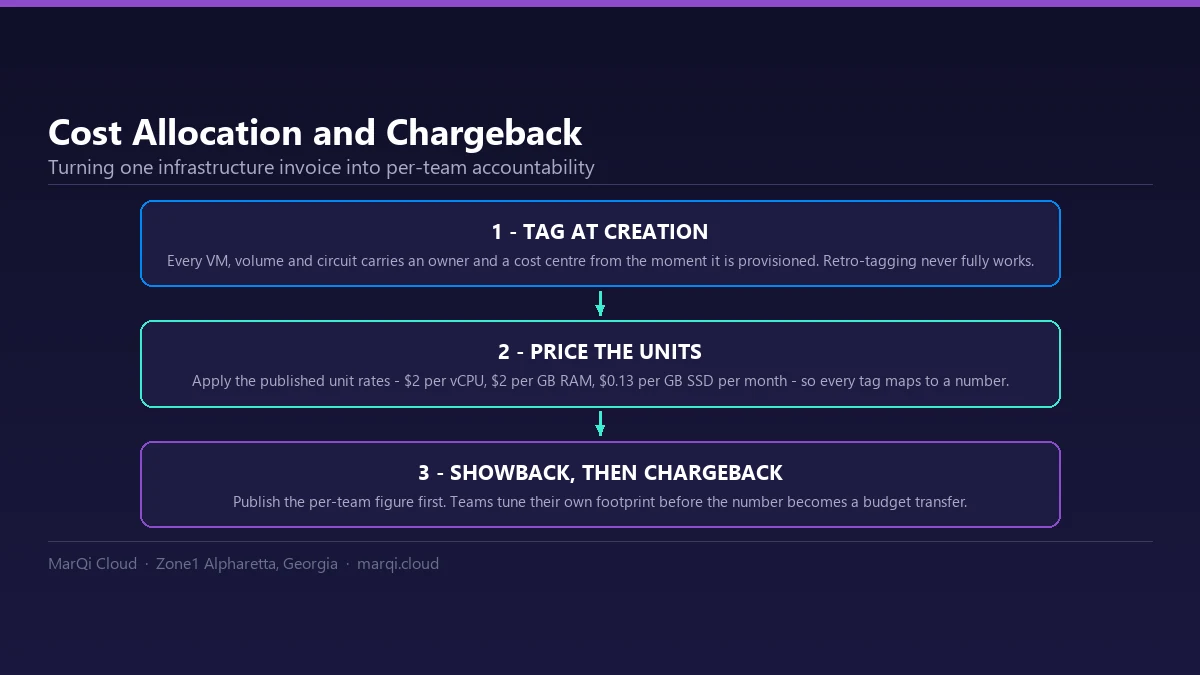
4. Implement Tagging Strategies
Tagging cloud resources with relevant metadata can provide visibility into spending by department, project, or team. This facilitates a clearer understanding of resource allocation and cost distribution.
5. Optimize Resource Allocation
Organizations should regularly assess their resource allocation to ensure that they are only paying for what they need. This includes rightsizing instances, terminating idle resources, and transitioning to more cost-effective options.
How MarQi Cloud Supports Cost Management
MarQi Cloud offers enterprise-grade cloud infrastructure and hybrid deployments that are designed to help organizations manage their cloud spending effectively. Our solutions include:
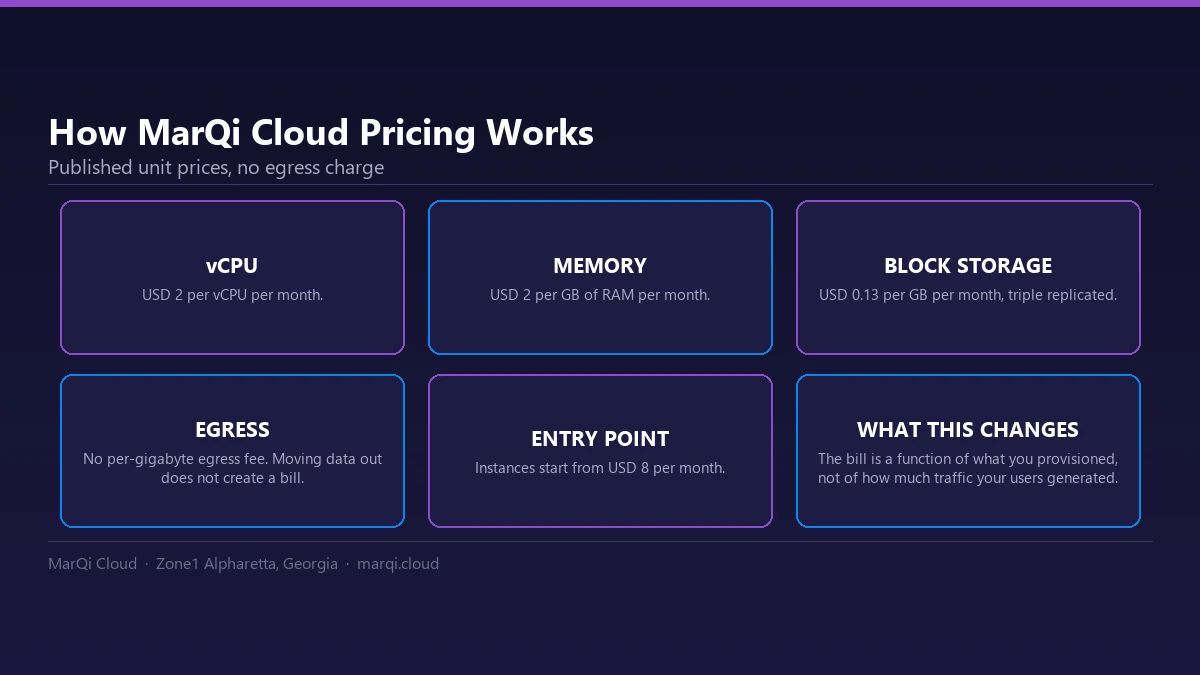
- Transparent Pricing Models: Our flexible pricing options ensure that organizations only pay for what they use, eliminating unexpected costs.
- Comprehensive Monitoring Tools: With our advanced cloud management tools, clients can track their spending in real-time, receive alerts for anomalies, and generate detailed reports.
- Expert Consultation: Our infrastructure consulting services can help organizations develop customized strategies for optimizing their cloud spending.
Real-World Examples of Cost Monitoring Success
To illustrate the impact of daily monitoring on cloud spending, consider the following real-world examples:
Case Study: A SaaS Company
A software-as-a-service (SaaS) company implemented daily monitoring of its cloud expenditures after experiencing unexpected spikes in costs. By leveraging MarQi Cloud’s monitoring tools, the company identified idle resources and unnecessary data transfers. Within three months, they reduced their cloud spending by 25% through resource optimization and better allocation.
Case Study: A Healthcare Organization
A healthcare organization faced challenges in managing its cloud costs due to compliance requirements and fluctuating usage patterns. By establishing budget alerts and conducting regular audits, they were able to maintain compliance while reducing their spending by 15% over six months.
Conclusion
Monitoring cloud spending daily is a critical practice that enables organizations to catch cost anomalies before they become significant problems. By implementing effective monitoring strategies and leveraging tools like those offered by MarQi Cloud, businesses can optimize their cloud expenditures and ensure sustainable growth. Don’t let unexpected costs disrupt your cloud strategy; take control of your cloud spending today.
Frequently Asked Questions
What is cloud spending?
Cloud spending refers to all costs associated with using cloud services, including compute resources, storage, and data transfer.
Why is daily monitoring of cloud spending important?
Daily monitoring helps detect anomalies early, ensures budget adherence, and optimizes resource utilization.
What are common cost anomalies in cloud spending?
Common anomalies include idle resources, unexpected data transfers, and scaling issues.
How can organizations monitor their cloud spending effectively?
Utilizing cloud cost management tools, setting up budget alerts, conducting regular audits, implementing tagging strategies, and optimizing resource allocation are key strategies.
What tools can assist in monitoring cloud spending?
Tools like MarQi Cloud’s monitoring solutions provide real-time insights, alerts, and reporting capabilities.
How can MarQi Cloud help with cost management?
MarQi Cloud offers transparent pricing models, comprehensive monitoring tools, and expert consultation to help organizations manage their cloud spending effectively.
What are the benefits of optimizing cloud spending?
Optimizing cloud spending can lead to significant cost savings, improved resource utilization, and better budget adherence.
How can organizations identify idle resources?
Regular audits and monitoring tools can help organizations pinpoint idle resources that are incurring costs without providing value.