Why Legal Firms Need Secure Cloud Infrastructure for Client Data Protection
August 23, 2026
The Complete Guide to Cloud Infrastructure for Media Streaming and Content Delivery
In the digital age, media streaming and content delivery have become integral components of how we consume information and entertainment. As businesses pivot to meet the demands of an increasingly online audience, understanding cloud infrastructure for media streaming is essential. This comprehensive guide will explore the intricacies of cloud infrastructure, focusing on the best practices, technologies, and strategies that ensure seamless media delivery. You will learn about the benefits of using cloud solutions, the architecture needed to support high-quality streaming, and how MarQi Cloud’s services can help you achieve optimal performance and scalability.
What is Cloud Infrastructure?
Cloud infrastructure refers to the collection of hardware and software components that enable cloud computing. This includes servers, storage systems, networking resources, and virtualization software that work together to deliver various cloud services. In the context of media streaming, cloud infrastructure enables businesses to host their content, manage user traffic, and deliver high-quality video and audio streams seamlessly.
Importance of Cloud Infrastructure for Media Streaming
The importance of cloud infrastructure for media streaming cannot be overstated. With the rise of on-demand services and live streaming, businesses must ensure that their content is available at all times, with minimal buffering and downtime. Here are a few reasons why cloud infrastructure is essential for media streaming:
- Scalability: Cloud infrastructure allows businesses to scale their resources up or down based on demand. This is particularly important during peak streaming times, such as live events or new content releases.
- Cost Efficiency: Utilizing cloud services often reduces costs associated with maintaining physical servers and infrastructure. Businesses can pay for only the resources they use.
- Global Reach: Cloud providers have data centers around the world, enabling faster content delivery to users regardless of their location.
- Reliability: Cloud infrastructure typically includes redundancy and failover capabilities, ensuring that content remains accessible even in the event of hardware failures.
Key Components of Cloud Infrastructure for Streaming
Understanding the key components of cloud infrastructure is crucial for optimizing media streaming. Here are the primary components:
1. Content Delivery Network (CDN)
A CDN is a network of distributed servers that deliver content to users based on their geographic location. By caching content closer to the user, CDNs reduce latency and improve streaming quality. MarQi Cloud offers robust CDN solutions that enhance media delivery performance.
2. Storage Solutions
Different types of storage solutions are available, including object storage, block storage, and file storage. Each has its own advantages and is suitable for different types of media files. For instance, object storage is ideal for unstructured data like videos, while block storage works well for databases and applications.
3. Streaming Servers
Streaming servers are specialized servers that handle the delivery of media content. They can transcode video files into different formats and resolutions to accommodate various devices and bandwidth conditions.
4. Load Balancers
Load balancers distribute incoming traffic across multiple servers to ensure that no single server becomes overloaded. This is critical for maintaining performance during high traffic periods.
5. Security Features
Security is paramount in media streaming. Cloud infrastructure must include features such as encryption, access controls, and secure tokens to protect content from unauthorized access.
Cloud Architecture for Media Streaming
The architecture of cloud infrastructure for media streaming typically includes three layers:
1. Presentation Layer
The presentation layer is where users interact with the content. This includes web and mobile applications that provide access to streaming services. It is crucial for this layer to be user-friendly and responsive.
2. Application Layer
The application layer handles the business logic and processes requests from the presentation layer. It manages user authentication, content management, and streaming protocols.
3. Data Layer
The data layer is responsible for storing and retrieving media files. This layer includes databases for user information and analytics, as well as the actual media files stored in cloud storage.
Benefits of Cloud Infrastructure for Streaming
Utilizing cloud infrastructure for media streaming offers several significant benefits:
1. Enhanced Performance
With the ability to scale resources dynamically, cloud infrastructure can handle large volumes of traffic without compromising performance. This results in an improved user experience with minimal buffering and latency.
2. Flexibility and Adaptability
Cloud solutions provide the flexibility to adapt to changing business needs. Whether launching a new service or responding to increased demand, cloud infrastructure can be adjusted quickly.
3. Simplified Management
Cloud providers often offer management tools that simplify the deployment and management of streaming applications. This allows businesses to focus on content creation rather than infrastructure management.
4. Comprehensive Analytics
Cloud infrastructure can integrate analytics tools that provide insights into user behavior, engagement, and performance metrics. This data is invaluable for optimizing content delivery strategies.
Best Practices for Media Streaming
To ensure the success of media streaming initiatives, businesses should consider the following best practices:
1. Optimize Content for Streaming
Before uploading content, ensure it is optimized for streaming. This includes compressing video files and using adaptive bitrate streaming to adjust quality based on user bandwidth.
2. Leverage Multi-CDN Strategies
Using multiple CDNs can enhance redundancy and improve performance. This ensures that if one CDN experiences issues, another can take over without impacting user experience.
3. Monitor Performance Continuously
Regularly monitor streaming performance metrics, including buffering rates, latency, and user engagement. Use this data to make informed decisions about infrastructure adjustments.
4. Implement Security Best Practices
Ensure that all media content is encrypted during transmission and storage. Use secure access protocols to prevent unauthorized access to sensitive content.
5. Plan for Disaster Recovery
Implement a disaster recovery plan to ensure business continuity in case of infrastructure failures. This includes regular backups and failover strategies.
How MarQi Cloud Supports Media Streaming
MarQi Cloud offers a range of services tailored to meet the needs of media streaming businesses:
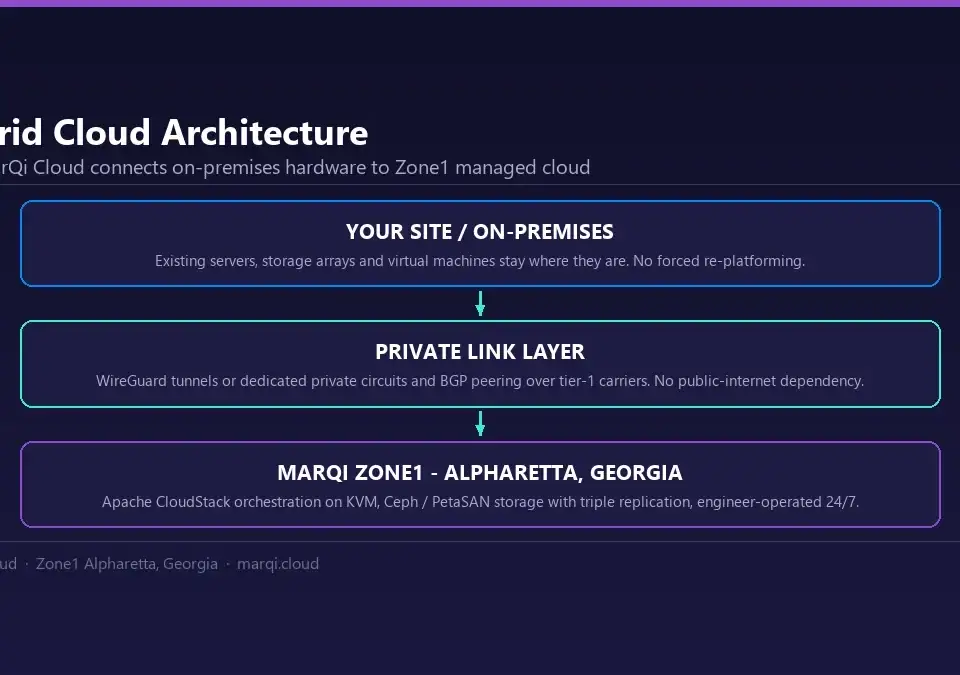
1. Hybrid Cloud Solutions
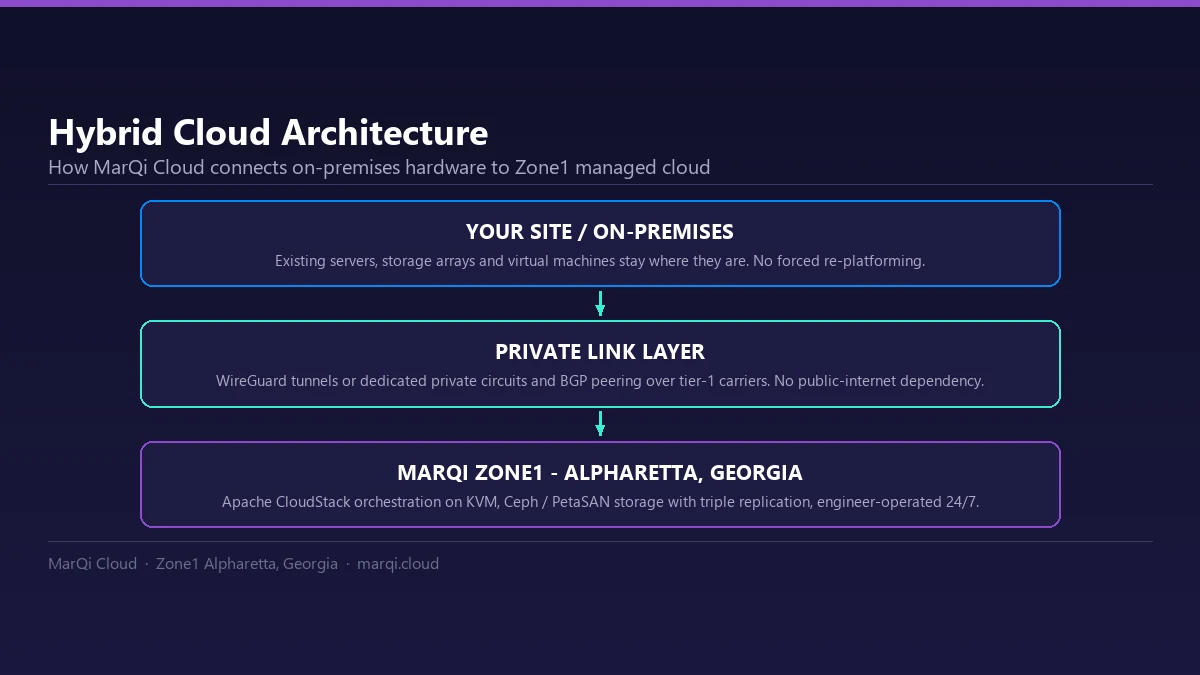
MarQi Cloud’s hybrid cloud solutions provide the flexibility to combine on-premises resources with cloud infrastructure, allowing for efficient content management and delivery.
2. Scalable Compute and Storage
With scalable compute and storage resources, MarQi Cloud enables businesses to handle fluctuating traffic demands without sacrificing performance.
3. Secure Hosting Environments
MarQi Cloud ensures that all content is hosted in secure environments that comply with industry standards, protecting sensitive data and user privacy.
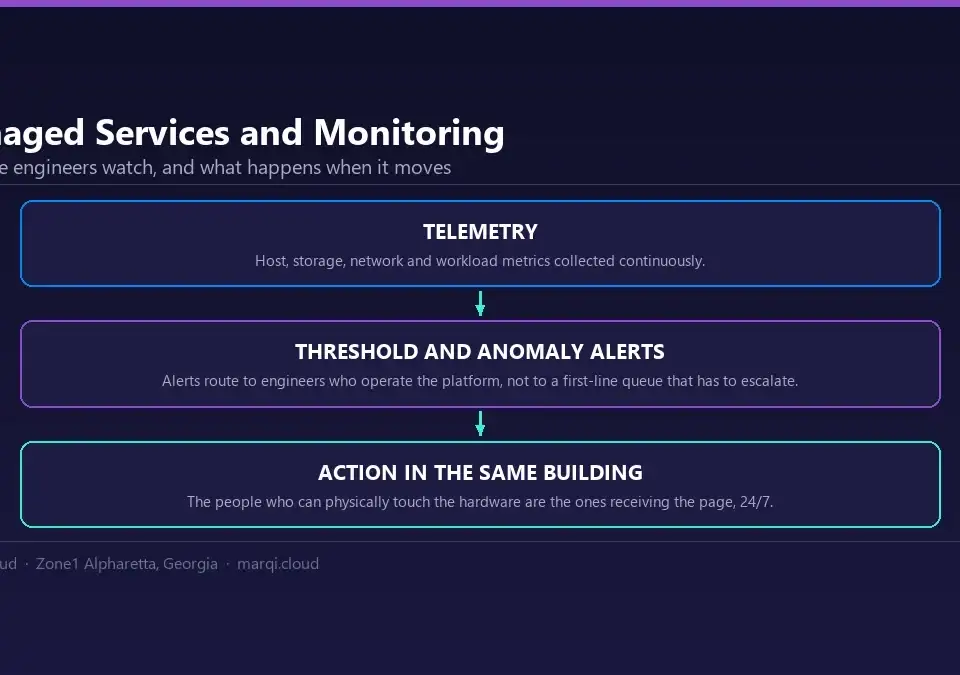
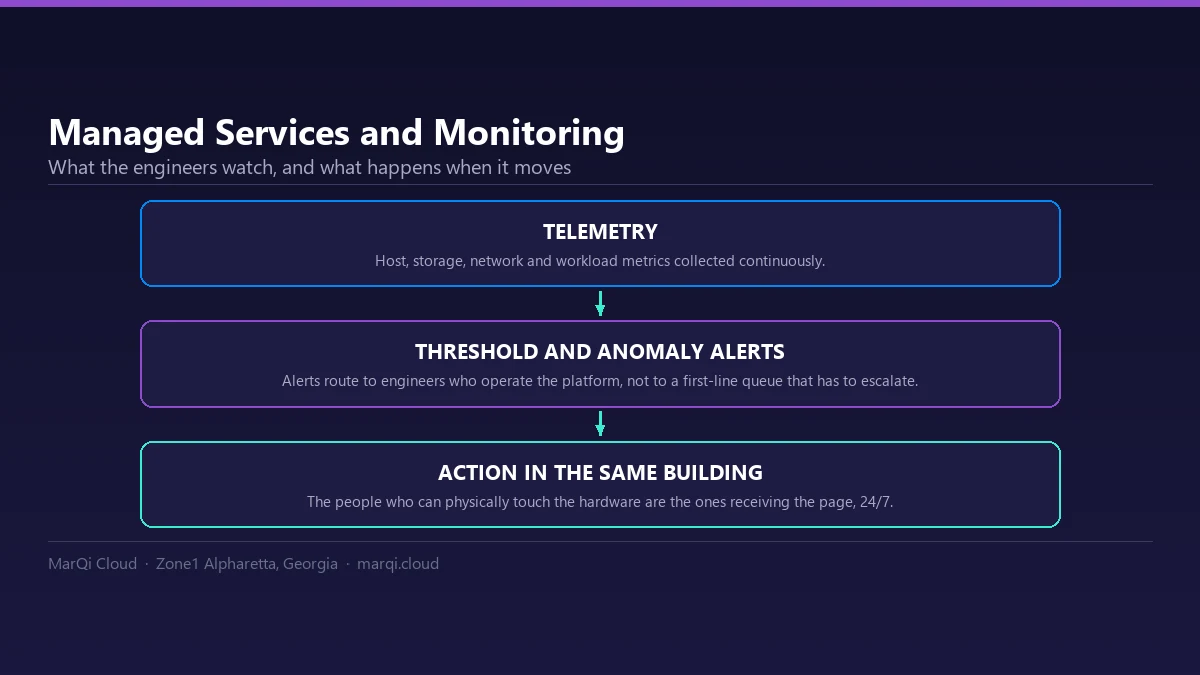
4. Managed Services
MarQi Cloud offers white-glove managed services, allowing businesses to focus on content creation while the infrastructure is expertly managed.
5. Business Continuity Solutions
With comprehensive disaster recovery solutions, MarQi Cloud ensures that your media content is always accessible, even in the face of unexpected disruptions.
Frequently Asked Questions
1. What is media streaming?
Media streaming refers to the continuous transmission of audio and video files over the internet, allowing users to access content in real-time without downloading it.
2. How does cloud infrastructure support media streaming?
Cloud infrastructure provides the necessary resources for hosting, managing, and delivering media content efficiently, ensuring high-quality streaming experiences for users.
3. What are the benefits of using a CDN for media streaming?
CDNs reduce latency, improve performance, and enhance content delivery by caching media files closer to users, resulting in a better streaming experience.
4. How can I optimize my media content for streaming?
Optimize your media content by compressing files, using adaptive bitrate streaming, and ensuring compatibility with various devices and platforms.
5. What security measures should I implement for media streaming?
Implement encryption, secure access protocols, and regular security audits to protect your media content from unauthorized access.
6. How important is analytics for media streaming?
Analytics provide valuable insights into user behavior and engagement, helping businesses optimize their content delivery strategies and improve user experiences.
7. What is adaptive bitrate streaming?
Adaptive bitrate streaming is a technology that adjusts the quality of a media stream in real-time based on the user’s internet connection speed, ensuring smooth playback.
8. How can MarQi Cloud help my media streaming business?
MarQi Cloud offers scalable infrastructure, hybrid cloud solutions, secure hosting, and managed services to support your media streaming initiatives effectively.