Is Investing in Dedicated GPU Clusters Worth It for Startups?
April 1, 2026
How MarQi Cloud Achieves 100Gbps Interconnects Between Compute and Storage
April 2, 2026

Budgeting for Cloud-Native Transformation: A Practical Guide
Introduction
Cloud-native transformation is a simple and smart way for businesses to grow in today’s digital world. It means using modern cloud technologies to build applications that are flexible, scalable, and easy to manage. As businesses grow and customer needs change, having systems that can quickly adjust becomes very important.
But moving to cloud-native is not only about using new technology. It also needs proper planning and a clear budget. Without planning, costs can increase and create problems later.
Working with a reliable Cloud-Native Development Partner can make things much easier. They help businesses manage costs, make better decisions, and build strong cloud solutions that support long-term growth.
Why a Cloud-Native Development Partner is Essential for Modern Businesses
A Cloud-Native Development Partner helps businesses build modern applications that are designed to run smoothly in cloud environments. Instead of relying on outdated systems, they leverage advanced technologies like microservices, containers, Kubernetes, and CI/CD to create solutions that are flexible, scalable, and easy to manage. Partnering with a Cloud-Native Development Partner allows companies to modernize their systems and embrace efficient, cloud-based operations.
A reliable Cloud-Native Development Partner also supports businesses in adopting API-driven architectures built for performance. This makes it easier to integrate systems, improve workflows, and meet growing business demands. As a result, companies can innovate faster and deliver better experiences to their users.
Key Benefits of Working with a Cloud-Native Development Partner
- Faster Time-to-Market: Automated development and deployment processes help launch products quickly
- High Scalability & Resiliency: Applications can handle growth and self-heal during high demand
- Cost Management: Pay only for the resources you use, avoiding unnecessary expenses
- Modernization: Transform legacy systems into cloud-optimized, agile solutions
- Improved Flexibility & Performance: Microservices and container-based architecture boost efficiency
Working with the right Cloud-Native Development Partner ensures businesses stay competitive, control costs, and build strong, future-ready applications.
Outsourced Cloud App Development: A Smart Way to Build Cloud Apps
Outsourced cloud app development means hiring external experts to design, build, and manage applications on cloud platforms like AWS, Azure, or Google Cloud. This approach helps businesses create secure, scalable, and modern apps without the cost and effort of building an in-house team.
Key Points of Outsourced Cloud App Development
- Service Options: Vendors can manage SaaS, PaaS, or IaaS solutions based on your needs.
- Full Support: They handle everything from moving old systems to the cloud, setting up DevOps, to making sure apps are always available.
- Flexible Teams:
- Project-Based: Fixed scope and timeline
- Dedicated Team: Works as part of your internal team
- Staff Augmentation: Adds experts to fill skill gaps
Benefits
- Faster app development and quicker time-to-market
- Access to skilled cloud professionals without hiring full-time staff
- Cost savings and more efficient use of resources
- Freedom to focus on your core business while experts handle the cloud
Managing Costs and Security
- Outsourcing is often cheaper than hiring a full in-house team, especially for cloud-native apps. Working with a Cloud-Native Development Partner can make it even easier.
- The team can handle migrating old apps, testing, and deployments.
- They also make sure your apps are secure, encrypted, and meet compliance rules.
Overall, outsourced cloud app development is an easy and cost-effective way for businesses to build strong, scalable cloud apps while saving time and resources.
Custom App Development Hybrid Cloud: Flexible and Scalable Solutions
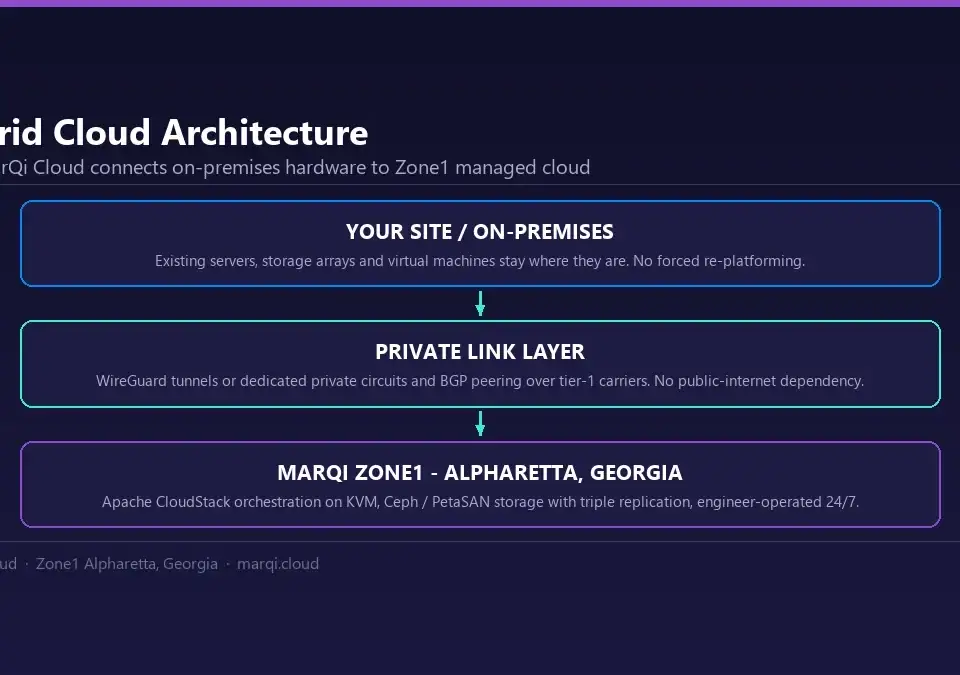
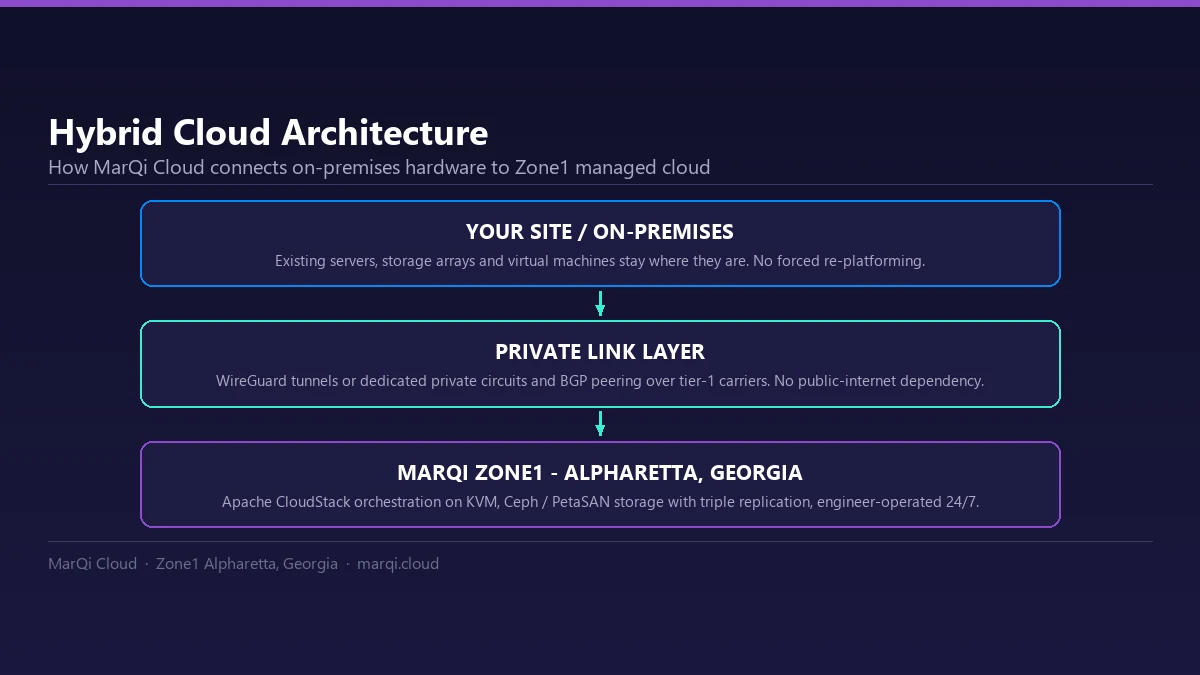
Custom App Development Hybrid Cloud means creating software that is built just for your business and can run across public clouds, private clouds, and on-premises data centers. This approach combines the flexibility of custom software with the security, scalability, and cost savings of a hybrid cloud.
Why Businesses Choose This Approach
- Security and Compliance: Keep sensitive data on-premises or in private clouds, while public clouds handle less sensitive workloads.
- Cost Efficiency: Use your own systems for regular work and the cloud for spikes in demand, avoiding extra infrastructure costs.
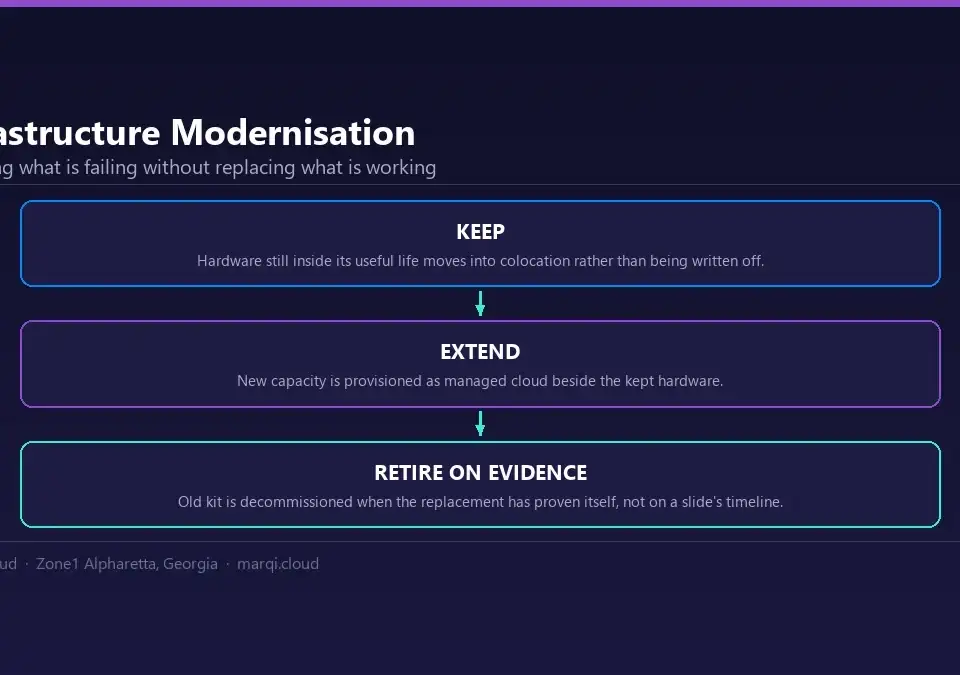
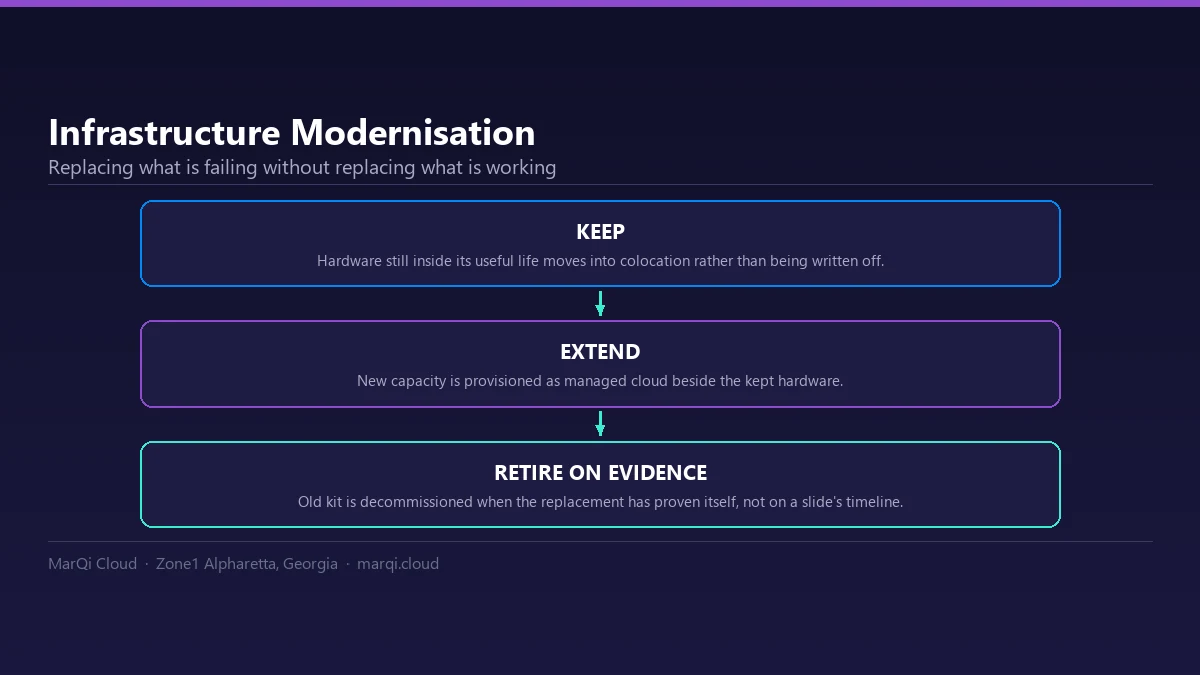
- Gradual Modernization: Update legacy apps step by step without replacing them completely.
- Flexibility and Control: Choose the best environment for each workload based on performance, security, or cost.
- Access to Advanced Tech: Hybrid clouds make it easy to connect on-premises data to AI, machine learning, and other cloud services.
Benefits
- Reduces infrastructure and hosting costs
- Provides reliable, scalable apps
- Integrates easily with modern Enterprise Cloud Solutions
- Helps modernize legacy applications safely and efficiently
Using Custom App Development, Hybrid Cloud allows businesses to build apps that are flexible, secure, and ready to grow with the company.
Hybrid Cloud Providers: Flexible IT for Modern Businesses
Hybrid cloud providers offer services that combine public clouds like AWS, Azure, or Google Cloud with private clouds and on-premises systems. This creates a flexible IT environment where businesses can move data and applications easily, control costs, improve security, and scale their workloads as needed.
Common Ways Businesses Use Hybrid Clouds
- Cloud Bursting: Use public cloud resources when demand spikes.
- Data Security and Compliance: Keep sensitive information in private environments while using the cloud for other workloads.
- Modernization: Gradually move legacy applications to the cloud without disrupting operations.
Using hybrid cloud providers helps businesses get the best of both worlds: on-premises security and the efficiency of public cloud services, without being tied to a single platform.
Enterprise Cloud Solutions by MarQi Cloud: Flexible, Secure, and Scalable IT
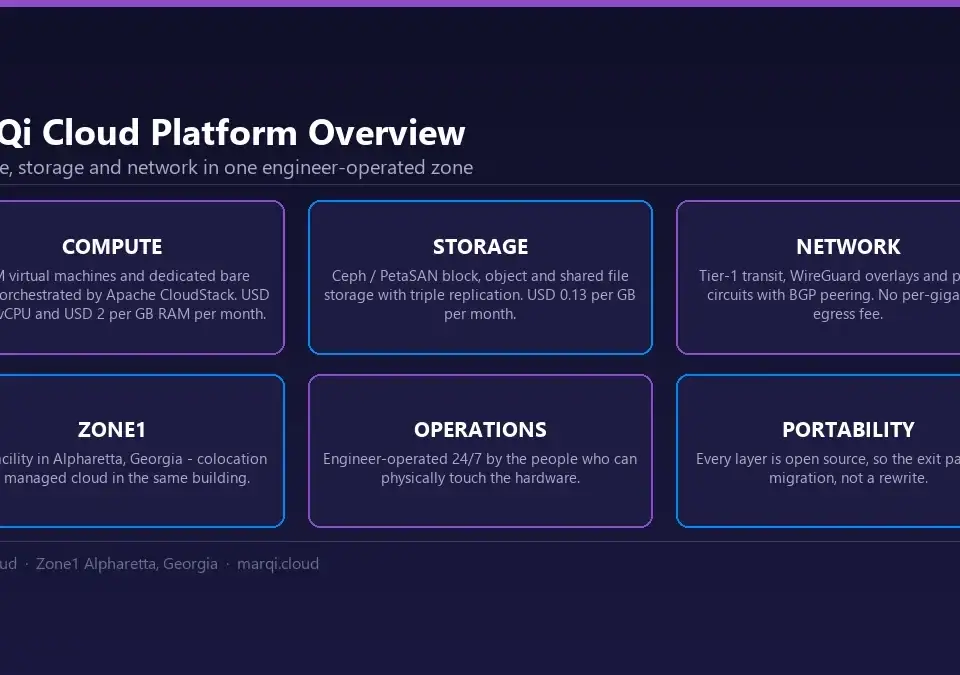
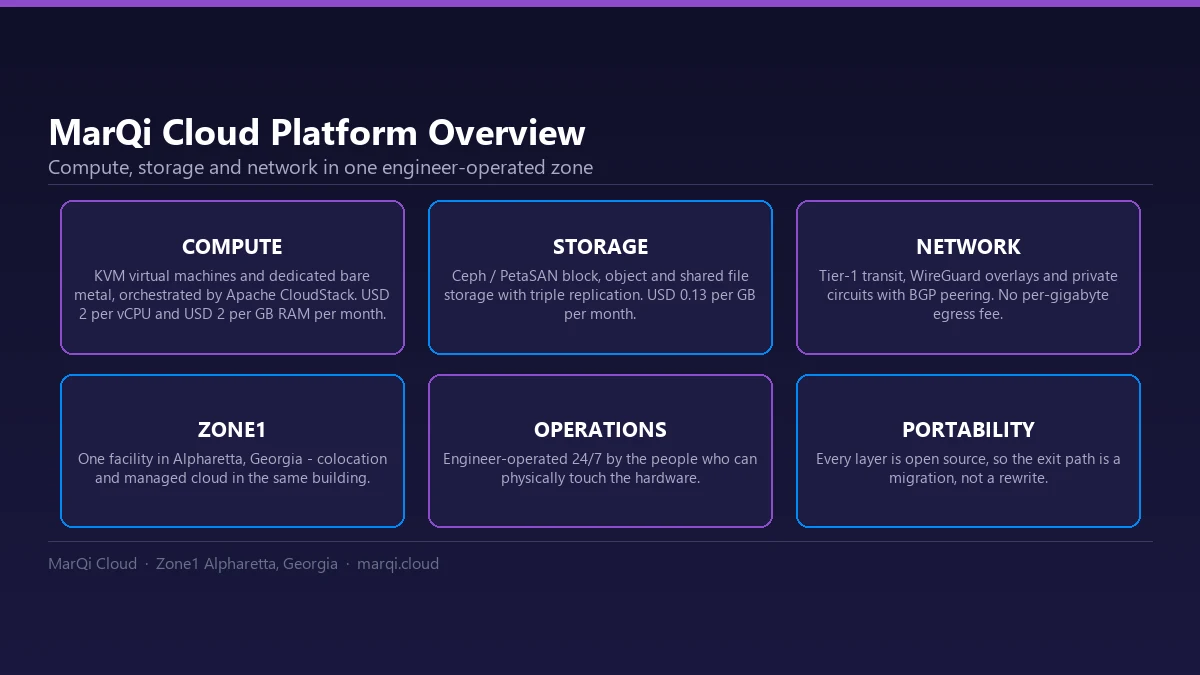
Enterprise Cloud Solutions provides large organizations with secure, scalable, and fully customized cloud environments. By combining public, private, and hybrid cloud infrastructures, MarQi Cloud delivers high-performance storage, analytics, and applications, helping businesses replace costly on-site hardware with flexible pay-as-you-go or subscription models.
Key Features of MarQi Cloud Enterprise Cloud Solutions
- Flexible Infrastructure: Supports hybrid and multi-cloud setups, allowing companies to use on-premises, private, and public cloud resources together for maximum efficiency.
- Scalability and Reliability: Built to handle mission-critical applications and heavy workloads across multiple users and locations.
- Advanced Security and Compliance: Includes threat detection, data encryption, and compliance support for highly regulated industries like finance and healthcare.
- Centralized Management: Provides a unified interface to manage IT resources, automate processes, and streamline operations.
Benefits for Businesses
- Cost Optimization: Reduces the need for large hardware investments by shifting to operational expenditure models.
- Enhanced Productivity: Supports remote work, faster software deployment, and improved collaboration tools.
- Disaster Recovery: Ensures business continuity with robust backup and recovery solutions.
- Future-Ready IT: Enables organizations to modernize their systems and support digital transformation initiatives.
With MarQi Cloud Enterprise Cloud Solutions, businesses gain a secure, flexible, and high-performance IT environment. Choosing the right cloud model allows companies to leverage hybrid environments while enjoying the full flexibility and power that MarQi Cloud provides.
MarQi Cloud is a reliable infrastructure provider that empowers businesses to modernize their IT systems and adopt cloud-native solutions. Key features include:
- Independent Data Center: Houses its own storage cluster to ensure secure and efficient data management.
- Redundant Network Fabric: Provides high availability to minimize downtime for critical operations.
- High Performance and Scalability: Built to handle growing workloads while maintaining fast and reliable performance.
- Advanced Security: Protects sensitive data and applications across all environments.
- Ideal for Enterprise Cloud Solutions: Perfect for businesses seeking dependable, future-ready cloud infrastructure.
Conclusion
Proper budgeting and strategic planning are essential for a successful cloud-native transformation. By carefully managing costs and partnering with the right Cloud-Native Development Partner, businesses can optimize resources, reduce risks, and ensure scalable, secure solutions. Investing in reliable, future-ready cloud infrastructure, like MarQi Cloud, allows companies to stay agile, competitive, and prepared for growth in the rapidly evolving digital landscape.