Why Egress Fee Elimination Transforms Cloud Architecture Economics
August 5, 2026
Maximize Savings: How Spot Instances and Preemptible VMs Cut Hosting Costs
August 6, 2026
How do you forecast cloud costs accurately?
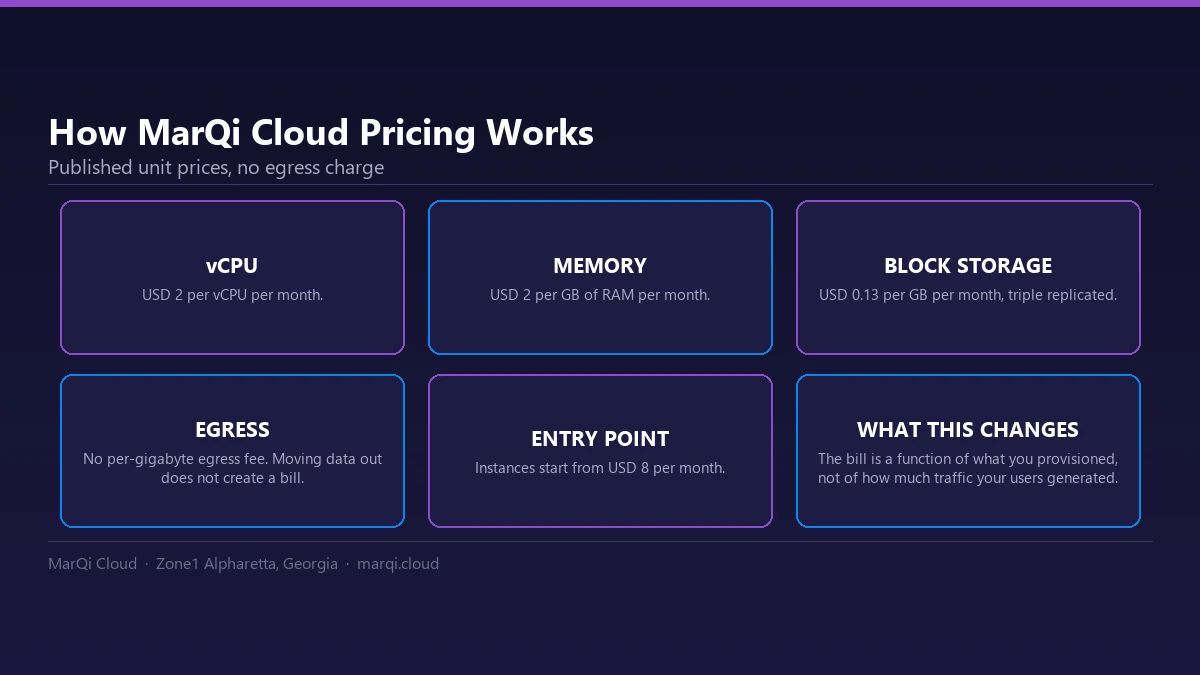
Forecast from committed, published unit rates wherever they exist, and treat usage-billed items — egress, IOPS, request counts — as a separate variable band with its own range. A forecast built only on last month's invoice repeats last month's surprises instead of predicting the next ones.
The Complete Guide to Cloud Cost Forecasting and Budget Planning for Fiscal Years
In today’s digital landscape, effective cloud cost forecasting and budget planning are crucial for organizations aiming to optimize their cloud spending while maximizing performance and innovation. As enterprises increasingly migrate to the cloud, understanding how to accurately predict and manage these costs can significantly impact overall financial health and operational efficiency. This comprehensive guide will delve into the intricacies of cloud cost forecasting, offering actionable insights and strategies tailored for mid-size to enterprise-level organizations. By the end of this article, you will be equipped with the knowledge to create a robust cloud budget that aligns with your fiscal goals and business objectives.
Understanding Cloud Costs
Before diving into the specifics of forecasting and budgeting, it is essential to comprehend the various components of cloud costs. Cloud expenditures can generally be categorized into several key areas:
- Compute Costs: Charges incurred for virtual machines (VMs), server instances, and other computing resources.
- Storage Costs: Expenses related to data storage, including block, object, and file storage solutions.
- Data Transfer Costs: Fees associated with data egress and ingress, which can significantly impact overall cloud spending.
- Management and Monitoring Tools: Costs related to tools that assist in managing cloud resources and monitoring usage.
- Support Plans: Fees for customer support and technical assistance from cloud providers.
Understanding these components allows organizations to create a more accurate and comprehensive cloud cost forecast.
The Importance of Forecasting
Cloud cost forecasting is not merely a financial exercise; it plays a pivotal role in strategic decision-making. Accurate forecasting enables organizations to:
- Identify potential overspending before it occurs.
- Allocate resources more effectively and align spending with business objectives.
- Enhance financial accountability across departments.
- Facilitate informed discussions with stakeholders regarding budget adjustments and resource allocation.
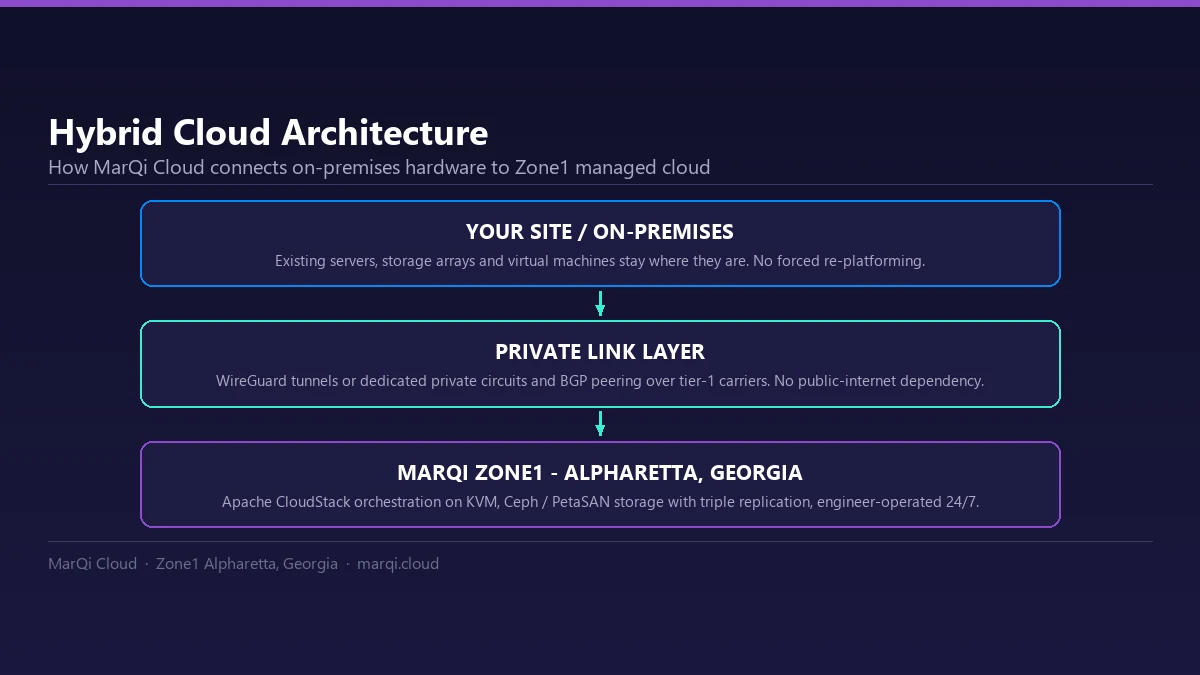
Moreover, as organizations scale and evolve, the need for precise forecasting becomes even more critical. Companies leveraging hybrid cloud solutions, like those offered by MarQi Cloud, must account for the complexities introduced by multiple environments.
Key Elements of Cloud Cost Forecasting
To create an effective cloud cost forecast, several key elements must be considered:
- Historical Data Analysis: Review past spending patterns to identify trends and predict future costs. This includes analyzing the usage of compute, storage, and network resources over different time frames.
- Business Growth Projections: Understand the anticipated growth of your organization and how it will impact cloud resource requirements. For instance, if your company plans to expand its product offerings, additional cloud resources will be needed.
- Resource Utilization Rates: Monitor current resource usage to determine if there are inefficiencies. Underutilized resources can often lead to unnecessary costs.
- Seasonal Variability: Identify any seasonal fluctuations in cloud usage, which can affect pricing and budgeting. For example, an e-commerce platform may experience increased usage during holiday seasons.
Methods for Cloud Cost Forecasting
There are several methods for forecasting cloud costs, each with its advantages:
1. Bottom-Up Forecasting
This method involves estimating costs based on individual resource usage. Organizations can analyze the expected usage of each component (e.g., VMs, storage) and aggregate these estimates to form a comprehensive forecast. This approach is detailed but can be time-consuming and complex.
2. Top-Down Forecasting
In this approach, organizations start with a high-level budget and allocate funds to various departments based on historical data and anticipated growth. While easier to implement, this method may overlook specific resource needs.
3. Hybrid Approach
A combination of both methods, the hybrid approach allows for a more nuanced forecast that balances detailed resource analysis with broader budgetary constraints.
Creating a Cloud Budget
Once you have a reliable forecasting method in place, the next step is to create a comprehensive cloud budget. Here are the key steps involved:
- Define Budget Goals: Establish clear objectives for your cloud budget, such as cost reduction or resource optimization.
- Identify Resource Needs: Based on your forecasts, determine the necessary resources for each department or project.
- Allocate Funds: Distribute the budget across departments, ensuring that each area has the necessary resources to meet its goals.
- Implement Monitoring Tools: Utilize cloud cost management tools to track spending against the budget in real-time. Tools like MarQi’s Managed Services can help monitor usage and expenses effectively.
Monitoring and Adjusting Your Budget
Budgeting is not a one-time task; it requires continuous monitoring and adjustments. Here are some best practices to ensure your cloud budget remains on track:
- Regular Reviews: Conduct monthly or quarterly reviews of your cloud spending against the budget to identify variances and adjust as necessary.
- Utilize Cost Management Tools: Implement tools that provide visibility into spending patterns, such as dashboards that show real-time usage statistics.
- Engage Stakeholders: Regularly communicate with stakeholders to discuss budget performance and make necessary adjustments based on feedback.
Best Practices for Cloud Cost Management
To ensure long-term success in cloud cost forecasting and budget planning, consider the following best practices:
- Embrace Automation: Use automation tools to manage resource allocation and optimize spending. Automation can help eliminate human error and improve efficiency.
- Educate Your Team: Provide training for your IT and finance teams on cloud cost management principles and tools to foster a culture of accountability.
- Leverage Cloud Provider Tools: Most cloud providers offer native tools for monitoring and analyzing costs. Familiarize yourself with these tools to gain deeper insights into your spending.
- Implement Tagging Strategies: Use tagging to categorize resources, making it easier to track costs associated with specific projects or departments.
FAQ
What is cloud cost forecasting?
Cloud cost forecasting is the process of predicting future cloud expenses based on historical data, business growth projections, and resource utilization rates.
Why is cloud cost forecasting important?
Accurate cloud cost forecasting helps organizations manage their cloud budgets effectively, avoid overspending, and align financial resources with business objectives.
What are the key elements of cloud cost forecasting?
The key elements include historical data analysis, business growth projections, resource utilization rates, and seasonal variability.
What methods can be used for cloud cost forecasting?
Methods include bottom-up forecasting, top-down forecasting, and a hybrid approach combining both.
How can I create a cloud budget?
To create a cloud budget, define budget goals, identify resource needs, allocate funds, and implement monitoring tools.
How often should I review my cloud budget?
Regular reviews should be conducted monthly or quarterly to ensure the budget remains on track and reflects current spending patterns.
What are some best practices for cloud cost management?
Best practices include embracing automation, educating your team, leveraging cloud provider tools, and implementing tagging strategies.
How can I monitor my cloud spending effectively?
Utilize cloud cost management tools to track spending against the budget in real-time and conduct regular reviews of cloud spending.
Conclusion
Cloud cost forecasting and budget planning are integral components of effective cloud management. By understanding the various elements of cloud costs, employing accurate forecasting methods, and continuously monitoring your budget, your organization can achieve financial efficiency and strategic alignment in its cloud initiatives. As you embark on your cloud budgeting journey, consider leveraging MarQi Cloud’s solutions for enterprise-grade infrastructure and managed services that can optimize your cloud experience.