The Complete Guide to Cloud Infrastructure for Media Streaming
August 23, 2026
Why SaaS Companies Prefer Dedicated Cloud Infrastructure Over Shared Environments
August 24, 2026
How Cloud Hosting Empowers E-Commerce Platforms During Peak Sales Events
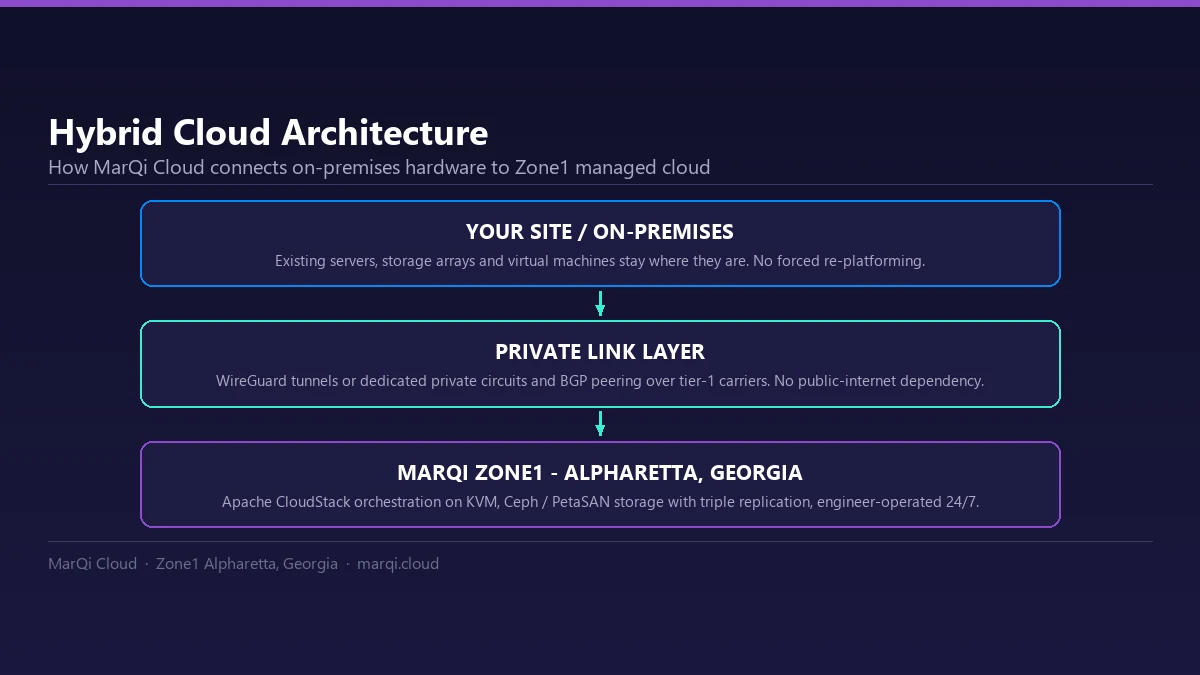
In the fast-paced world of e-commerce, peak sales events like Black Friday, Cyber Monday, and holiday sales are crucial for driving revenue and brand visibility. However, these events can also pose significant challenges for online retailers, particularly when it comes to ensuring website performance, reliability, and security. This is where cloud hosting comes into play. As an enterprise cloud provider, MarQi Cloud offers robust hybrid cloud solutions that can seamlessly support e-commerce platforms during these critical periods. In this article, we will explore how cloud hosting enhances e-commerce performance during peak sales events, ensuring that businesses can handle increased traffic and deliver an exceptional user experience.
Understanding Cloud Hosting
Cloud hosting leverages a network of virtual servers to store, manage, and process data, providing businesses with scalable resources and enhanced performance. Unlike traditional hosting solutions, which rely on a single server, cloud hosting distributes workloads across multiple servers, ensuring greater reliability and flexibility. This architecture is particularly beneficial for e-commerce platforms, which often experience fluctuating traffic levels.
What is E-Commerce Cloud Hosting?
E-commerce cloud hosting is a specialized solution designed to support online retail businesses by offering enhanced uptime, speed, and security. With the ability to scale resources dynamically, e-commerce platforms can accommodate sudden spikes in traffic without compromising performance. This is critical during peak sales events, where every second of downtime can translate into lost revenue.
Benefits of Cloud Hosting for E-Commerce
Cloud hosting offers a variety of benefits that are particularly advantageous for e-commerce platforms during peak sales periods:
- Scalability: Cloud hosting allows businesses to scale their resources up or down based on demand. This is essential during peak sales events when traffic can surge unexpectedly.
- Performance: With cloud hosting, e-commerce sites can deliver faster loading times and better overall performance, improving user experience and conversion rates.
- Reliability: Cloud hosting solutions come with built-in redundancy, ensuring that if one server goes down, others can take over without downtime.
- Security: Cloud providers often implement robust security measures, including data encryption and DDoS protection, safeguarding e-commerce platforms from cyber threats.
- Cost-Effectiveness: Businesses only pay for the resources they use, making cloud hosting a cost-effective solution for e-commerce platforms, particularly during peak sales events.
How Cloud Hosting Handles Traffic Spikes
During peak sales events, e-commerce platforms can experience massive spikes in traffic that can overwhelm traditional hosting solutions. Cloud hosting mitigates this risk through several mechanisms:
Load Balancing
Load balancing distributes incoming traffic across multiple servers, ensuring that no single server is overloaded. This results in improved performance and reduced risk of downtime. By utilizing load balancing, e-commerce platforms can maintain consistent speed and reliability even during traffic surges.
Auto-Scaling
Auto-scaling is a feature of cloud hosting that automatically adjusts resources based on current traffic levels. If a sudden influx of visitors occurs, the cloud infrastructure can quickly allocate additional resources to handle the load. This ensures that e-commerce sites remain responsive and functional during peak usage.
Content Delivery Networks (CDNs)
Many cloud hosting providers offer integration with CDNs, which cache content closer to users. This reduces latency and improves loading times, providing a better experience for shoppers. A CDN can be invaluable during peak sales events, ensuring that product pages load quickly even under heavy traffic.
Real-Time Monitoring and Analytics
Cloud hosting solutions often come with built-in monitoring tools that provide real-time insights into performance and traffic patterns. This allows e-commerce businesses to make informed decisions about resource allocation and quickly identify potential issues before they escalate.
Example Scenarios
The scenarios below are illustrative examples of how organizations typically apply these practices; they do not describe specific MarQi Cloud customers or measured results.
Example Scenario 1: Retailer A
Retailer A, an online clothing store, experienced significant growth in traffic during the holiday season. By migrating to a cloud hosting solution, they were able to handle an increase in traffic without any downtime. Their cloud provider implemented auto-scaling and load balancing, ensuring that their website remained responsive even when thousands of customers were shopping simultaneously.
Example Scenario 2: Retailer B
Retailer B, a large electronics retailer, faced challenges during Cyber Monday when their website experienced severe slowdowns. After transitioning to a cloud hosting solution, they integrated a CDN and improved their website’s performance metrics. As a result, they saw an increase in sales compared to the previous year, attributing this success to their enhanced cloud infrastructure.
Best Practices for E-Commerce on Cloud
To maximize the benefits of cloud hosting during peak sales events, e-commerce businesses should adhere to the following best practices:
- Plan for Scalability: Ensure that your cloud infrastructure can easily scale to accommodate sudden traffic spikes.
- Implement Load Balancing: Utilize load balancing to distribute traffic efficiently across multiple servers.
- Leverage CDNs: Integrate a CDN to enhance loading times and user experience.
- Conduct Load Testing: Perform load testing prior to peak sales events to identify potential bottlenecks and optimize performance.
- Monitor Performance: Utilize monitoring tools to gain insights into performance metrics and make real-time adjustments as needed.
Conclusion
Cloud hosting plays a pivotal role in empowering e-commerce platforms during peak sales events. With its scalability, reliability, and enhanced security, businesses can confidently navigate high traffic periods without sacrificing performance or user experience. By adopting best practices and leveraging the capabilities of cloud hosting, e-commerce retailers can maximize their sales potential and maintain customer satisfaction. If you’re ready to elevate your e-commerce platform with cloud hosting solutions, consider MarQi Cloud’s enterprise-grade infrastructure designed specifically for growing businesses.
FAQs
1. What is cloud hosting?
Cloud hosting is a type of web hosting that utilizes a network of virtual servers to store and manage data, allowing for scalable resources and improved performance.
2. How does cloud hosting benefit e-commerce platforms?
Cloud hosting benefits e-commerce platforms by providing scalability, enhanced performance, reliability, security, and cost-effectiveness.
3. What is auto-scaling in cloud hosting?
Auto-scaling is a feature that automatically adjusts resources based on current traffic levels, ensuring that websites remain responsive during high traffic periods.
4. What is a Content Delivery Network (CDN)?
A CDN is a network of servers that caches content closer to users, reducing latency and improving loading times for websites.
5. How can I prepare my e-commerce site for peak sales events?
To prepare your e-commerce site for peak sales events, plan for scalability, implement load balancing, leverage CDNs, conduct load testing, and monitor performance.
6. What are some common challenges during peak sales events?
Common challenges during peak sales events include website slowdowns, crashes due to high traffic, and security vulnerabilities.
7. Can cloud hosting improve my website’s loading speed?
Yes, cloud hosting can improve your website’s loading speed through features like CDN integration and optimized resource allocation.
8. How does MarQi Cloud support e-commerce businesses?
MarQi Cloud supports e-commerce businesses by offering enterprise-grade cloud infrastructure, hybrid cloud deployment models, and scalable compute and storage resources tailored to meet the demands of growing online retailers.