Ultimate Guide to Building a High-Performance API Gateway on Cloud Infrastructure
August 22, 2026
The Complete Guide to HIPAA-Compliant Cloud Hosting Architecture
August 22, 2026
How Cloud Infrastructure Solves Healthcare Data Storage and Compliance Challenges
In the rapidly evolving landscape of healthcare, the imperative for robust data management solutions has never been more pressing. The integration of cloud infrastructure into healthcare systems offers transformative solutions to the challenges of data storage and compliance. Healthcare providers face the dual challenge of managing vast amounts of sensitive patient data while adhering to strict regulatory requirements, such as HIPAA (Health Insurance Portability and Accountability Act) in the United States. In this comprehensive guide, we will explore how cloud infrastructure specifically addresses these challenges, enhancing both operational efficiency and patient care.
Understanding Healthcare Data Storage Challenges
Healthcare organizations generate enormous volumes of data daily, ranging from patient records and clinical trial results to billing information and imaging data. This data is not only essential for patient care, but it also poses significant storage and management challenges. Key challenges include:
- Volume: The sheer amount of data generated can overwhelm traditional storage solutions, leading to inefficiencies.
- Variety: Data comes in various forms, including structured data (like databases) and unstructured data (like images and notes), complicating storage and analysis.
- Velocity: The speed at which healthcare data is generated necessitates real-time processing and storage capabilities.
- Compliance: Healthcare data is heavily regulated, requiring strict adherence to laws and standards, such as HIPAA, which presents challenges in data handling and storage.
The Role of Cloud Infrastructure in Healthcare
Cloud infrastructure provides a scalable, flexible, and secure solution to these challenges. By leveraging cloud services, healthcare organizations can store, manage, and analyze data more effectively. Key components include:
- Scalability: Cloud solutions can easily scale to accommodate growing data volumes, ensuring organizations can expand their storage capabilities without significant upfront investment.
- Accessibility: Cloud-based data can be accessed from anywhere, promoting collaboration among healthcare professionals and improving patient care.
- Cost-Effectiveness: The pay-as-you-go model of cloud services allows organizations to manage costs effectively, avoiding the hefty expenses associated with traditional on-premises infrastructure.
Types of Cloud Solutions
Healthcare organizations can choose from several cloud deployment models, including:
- Public Cloud: Services offered over the internet by third-party providers. This model is cost-effective but may raise concerns about data security and compliance.
- Private Cloud: Exclusive cloud infrastructure dedicated to a single organization, providing enhanced security and control over data.
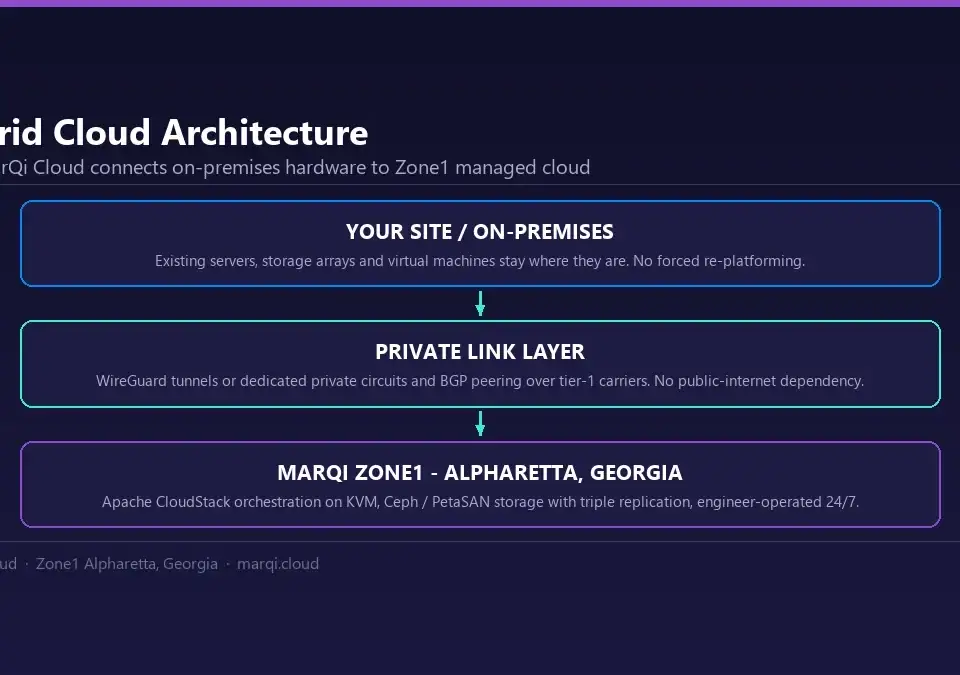
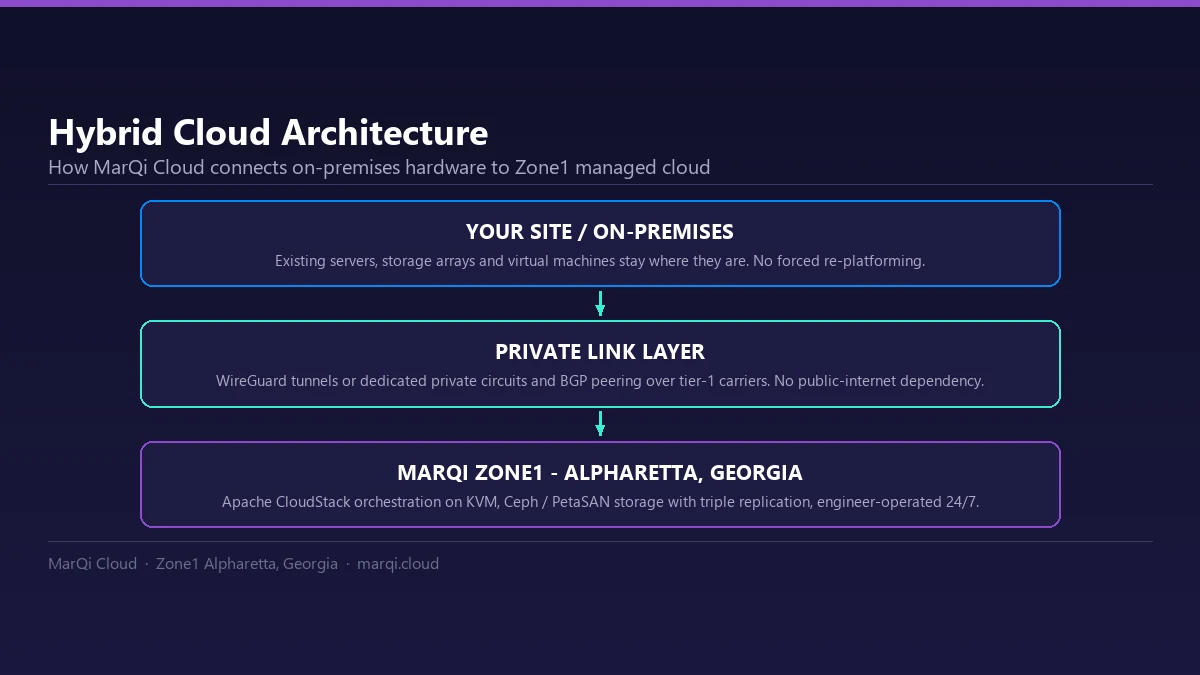
- Hybrid Cloud: Combines public and private clouds, offering the flexibility to manage sensitive data on a private cloud while leveraging the public cloud for less sensitive information.
Compliance and Security in Cloud Solutions
Compliance remains a top priority for healthcare organizations when adopting cloud infrastructure. Key regulations such as HIPAA necessitate stringent security measures to protect patient data. Cloud providers must implement robust security protocols, including:
- Data Encryption: Encrypting data at rest and in transit to safeguard against unauthorized access.
- Access Controls: Implementing strict user authentication and access controls to ensure that only authorized personnel can access sensitive data.
- Regular Audits: Conducting regular security audits and assessments to ensure compliance with healthcare regulations.
Additionally, organizations should evaluate potential cloud providers based on their compliance certifications and security measures. For instance, reputable providers often hold certifications such as ISO/IEC 27001 or attestations such as SOC 2, and support frameworks such as HIPAA and the NIST Cybersecurity Framework.
Benefits of Cloud Infrastructure for Healthcare
Implementing cloud infrastructure offers numerous benefits for healthcare organizations:
1. Enhanced Collaboration
Cloud technology promotes collaboration among healthcare teams by allowing access to shared data and applications. This enables faster decision-making and improved patient outcomes.
2. Improved Data Management
Cloud solutions streamline data management processes, allowing for easier integration of various data types and formats. This leads to more effective data analysis and reporting.
3. Disaster Recovery Solutions
Cloud infrastructure offers robust disaster recovery capabilities, ensuring that data is backed up and can be quickly restored in the event of a data breach or system failure. Organizations can implement disaster recovery strategies tailored to their specific needs, minimizing downtime and data loss.
4. Cost Savings
By reducing the need for on-premises hardware and maintenance, cloud solutions can significantly lower operational costs. Healthcare organizations can allocate resources more effectively, investing in patient care rather than infrastructure.
5. Compliance Management
Cloud providers often have built-in compliance features that help organizations adhere to regulations. This includes automated reporting and auditing tools that simplify compliance management.
Choosing the Right Cloud Provider
When selecting a cloud provider, healthcare organizations must consider several factors:
- Security Features: Evaluate the security measures offered by the provider, including encryption, access controls, and incident response plans.
- Compliance Certifications: Ensure the provider meets relevant compliance standards, such as HIPAA and ISO 27001.
- Service Level Agreements (SLAs): Review the SLAs to understand the provider’s commitments regarding uptime, support, and response times.
- Reputation: Research the provider’s reputation in the industry by looking at customer reviews and case studies.
Example Scenarios: Cloud Implementations in Healthcare
The scenarios below are illustrative examples of how organizations typically apply these practices; they do not describe specific MarQi Cloud customers or measured results.
Example Scenario 1: XYZ Health System
XYZ Health System adopted a hybrid cloud solution to manage patient records and streamline operations. By integrating cloud services, they reduced data retrieval times and improved patient care coordination.
Example Scenario 2: ABC Hospital
ABC Hospital migrated its imaging data to a private cloud, enhancing security and compliance with HIPAA regulations. This transition allowed for seamless access to imaging data across departments, improving diagnostic accuracy.
| Organization | Cloud Model | Key Benefits |
|---|---|---|
| XYZ Health System | Hybrid Cloud | Reduced data retrieval times by 60% |
| ABC Hospital | Private Cloud | Enhanced security and compliance |
Expert Tips for Transitioning to Cloud Infrastructure
Transitioning to cloud infrastructure can be daunting, but with careful planning, organizations can ensure a smooth migration. Here are some expert tips:
- Develop a Migration Strategy: Create a clear migration plan that outlines timelines, responsibilities, and potential risks.
- Engage Stakeholders: Involve key stakeholders, including IT staff and clinical teams, in the planning process to ensure buy-in and address concerns.
- Test Before Full Migration: Conduct a pilot test with a small data set to identify any issues before migrating all data.
- Provide Training: Ensure that staff are trained on the new cloud systems to maximize adoption and minimize disruptions.
Conclusion
In conclusion, cloud infrastructure presents a powerful solution to the data storage and compliance challenges faced by healthcare organizations. By leveraging scalable, secure, and compliant cloud solutions, healthcare providers can enhance their operational efficiency, improve patient care, and ensure adherence to regulatory requirements. As the healthcare landscape continues to evolve, adopting cloud technology is not just an option; it is a necessity for organizations aiming to thrive in a data-driven world.
FAQs
1. What are the main benefits of using cloud infrastructure in healthcare?
Cloud infrastructure provides scalability, enhanced collaboration, improved data management, disaster recovery solutions, and cost savings, making it ideal for healthcare organizations.
2. How does cloud infrastructure ensure compliance with healthcare regulations?
Cloud providers implement robust security measures, including data encryption and access controls, and often have built-in compliance features to help organizations meet regulatory standards.
3. What types of cloud solutions are available for healthcare organizations?
Healthcare organizations can choose from public, private, and hybrid cloud solutions, each offering different levels of security and flexibility.
4. How can healthcare organizations choose the right cloud provider?
Organizations should evaluate providers based on security features, compliance certifications, service level agreements, and their reputation in the industry.
5. What are the challenges of migrating to cloud infrastructure?
Challenges include data security concerns, compliance issues, the complexity of migration, and potential resistance from staff. However, careful planning can mitigate these risks.
6. Can cloud infrastructure improve patient care?
Yes, by providing quick access to patient data and enhancing collaboration among healthcare teams, cloud infrastructure can lead to improved patient outcomes.
7. How does cloud infrastructure support disaster recovery in healthcare?
Cloud solutions offer robust disaster recovery capabilities, allowing organizations to back up data and quickly restore it in case of a breach or system failure.
8. What is the cost difference between traditional and cloud-based infrastructure?
Cloud-based infrastructure typically reduces upfront costs and ongoing maintenance expenses compared to traditional on-premises solutions, making it more cost-effective for healthcare organizations.