How Cloud Data Anonymization and Masking Support Privacy Compliance
September 19, 2026
The Ultimate Guide to Cloud Data Archival Strategies for Long-Term Retention
September 19, 2026
Why Data Observability Platforms Are Essential for Cloud Data Pipelines
In today’s data-driven business landscape, organizations rely heavily on cloud data pipelines to process, analyze, and derive insights from vast amounts of information. However, the performance and reliability of these pipelines can be compromised by various factors, making data observability platforms a critical investment for enterprises. This article explores why data observability platforms are essential for monitoring the health of your cloud data pipelines, ensuring data integrity, and enhancing overall business performance.
What is Data Observability?
Data observability refers to the ability to monitor, analyze, and understand data flows and transformations within data pipelines. It provides insights into the health of data, including its quality, lineage, and performance metrics. Data observability platforms enable organizations to detect anomalies, diagnose issues, and ensure compliance with data governance policies, making it an indispensable tool for modern enterprises.
Importance of Data Observability in Cloud Data Pipelines
Cloud data pipelines are often complex, involving multiple stages of data processing, from ingestion to transformation and storage. This complexity can lead to various challenges:
- Data Quality Issues: Poor data quality can result in inaccurate insights, leading to poor business decisions.
- Operational Downtime: Interruptions in data flow can hinder business operations, affecting everything from customer service to financial reporting.
- Compliance Risks: Organizations must comply with regulations regarding data privacy and security; failure to do so can result in significant penalties.
By implementing data observability platforms, organizations can proactively monitor their data pipelines, ensuring that any issues are identified and addressed before they escalate into larger problems.
Key Features of Data Observability Platforms
Data observability platforms come with a variety of features that enhance their effectiveness in monitoring cloud data pipelines:
- Real-Time Monitoring: Continuous monitoring of data flows allows organizations to detect anomalies as they occur.
- Data Quality Metrics: Metrics such as accuracy, completeness, and consistency help assess the quality of data.
- Lineage Tracking: Understanding where data comes from and how it transforms throughout the pipeline is essential for troubleshooting.
- Alerts and Notifications: Automated alerts notify teams of potential issues, enabling rapid responses.
- Integration Capabilities: Seamless integration with existing data tools and platforms enhances usability.
Comparison Table: Key Features of Leading Data Observability Platforms
| Feature | Platform A | Platform B | Platform C |
|---|---|---|---|
| Real-Time Monitoring | Yes | Yes | No |
| Data Quality Metrics | Advanced | Basic | Advanced |
| Lineage Tracking | Yes | No | Yes |
| Alerts and Notifications | Customizable | Standard | Customizable |
| Integration Capabilities | Wide | Narrow | Moderate |
How Data Observability Improves Operations
Implementing a data observability platform can lead to significant operational improvements:
- Enhanced Data Quality: Continuous monitoring ensures that data quality issues are identified early, reducing the risk of poor decision-making based on faulty data.
- Faster Issue Resolution: With real-time alerts and comprehensive insights, teams can resolve issues more quickly, minimizing downtime.
- Improved Compliance: Data observability helps organizations maintain compliance with data governance policies by providing visibility into data handling practices.
- Better Collaboration: Cross-functional teams can collaborate more effectively with shared insights and metrics, fostering a data-driven culture.
Choosing the Right Data Observability Platform
Selecting the right data observability platform for your organization involves considering several factors:
- Scalability: Ensure the platform can grow with your data needs.
- User-Friendliness: Look for an intuitive interface that facilitates easy adoption by your team.
- Vendor Support: Reliable vendor support is crucial for troubleshooting and maximizing platform capabilities.
- Cost: Evaluate pricing models to ensure they align with your budget without compromising on essential features.
Case Studies and Examples
Several organizations have successfully implemented data observability platforms to enhance their cloud data pipelines:
Case Study: Healthcare Provider
A leading healthcare provider adopted a data observability platform to monitor patient data flows across multiple systems. By leveraging real-time monitoring and alerts, they significantly reduced data quality issues, leading to improved patient outcomes and compliance with healthcare regulations.
Case Study: Retail Giant
A retail giant utilized data observability to enhance its supply chain data pipeline. With lineage tracking and data quality metrics, they optimized inventory management, reducing costs and improving customer satisfaction.
Frequently Asked Questions
1. What is the role of data observability in cloud data pipelines?
Data observability monitors the health and quality of data within cloud data pipelines, ensuring accurate insights and compliance with governance policies.
2. How does data observability improve data quality?
By providing real-time monitoring and alerts for data quality issues, data observability platforms help organizations address problems before they impact decision-making.
3. Can data observability platforms integrate with existing data tools?
Yes, most data observability platforms offer integration capabilities with various data tools, enhancing their usability within existing workflows.
4. What features should I look for in a data observability platform?
Key features include real-time monitoring, data quality metrics, lineage tracking, alerts, and integration capabilities.
5. How can data observability help with compliance?
Data observability provides visibility into data handling practices, ensuring organizations adhere to data governance policies and regulations.
6. What industries benefit from data observability?
Industries such as healthcare, finance, retail, and technology benefit significantly from data observability due to their reliance on accurate data for decision-making.
7. Are there any costs associated with implementing data observability platforms?
Yes, costs can vary based on the platform’s features, scalability, and vendor support. Organizations should evaluate pricing models to align with their budgets.
8. How can I ensure the effectiveness of my data observability strategy?
Regularly review and update your data observability strategy to align with evolving business needs and technological advancements.
Conclusion
Data observability platforms are becoming increasingly essential for organizations relying on cloud data pipelines. By ensuring data quality, enhancing operational efficiency, and maintaining compliance, these platforms provide a crucial layer of visibility and control over data processes. As businesses continue to navigate complex data environments, investing in data observability will be key to unlocking the full potential of data-driven insights.
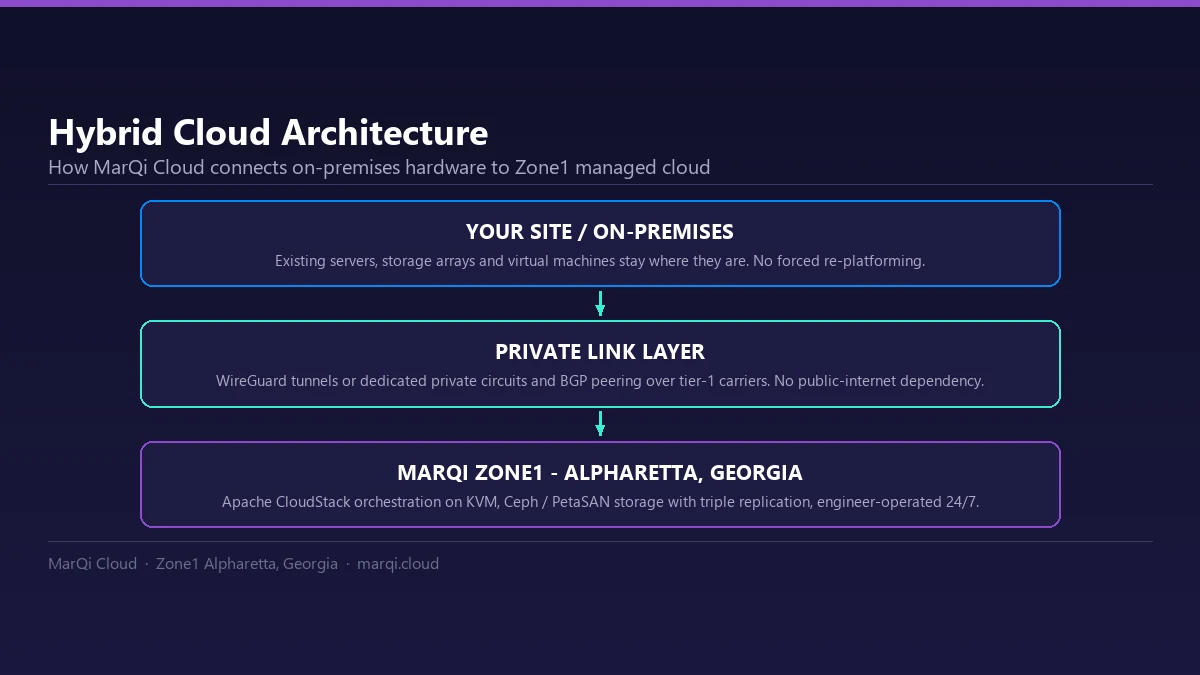
If your organization is looking for scalable and secure hosting solutions, consider exploring MarQi Cloud’s hybrid cloud infrastructure, which can seamlessly integrate with your data observability efforts.