The Complete Guide to HIPAA-Compliant Cloud Hosting Architecture
August 22, 2026
How Cloud Infrastructure Supports PCI DSS Compliance for Payment Processing
August 22, 2026
Why Financial Services Companies Need Dedicated Cloud Infrastructure for Compliance
The financial services industry is one of the most regulated sectors in the world. As such, companies operating within this space must prioritize compliance with a myriad of regulations, including the Sarbanes-Oxley Act, the Dodd-Frank Act, and the General Data Protection Regulation (GDPR). With the increasing complexity of regulatory requirements and the growing volume of sensitive data, financial services companies need dedicated cloud infrastructure that not only supports their operational needs but also ensures compliance. In this article, we will explore the importance of dedicated cloud infrastructure for compliance in the financial services sector, examining the benefits, challenges, and best practices for implementation.
1. The Importance of Compliance in Financial Services
Compliance is essential in the financial services industry to maintain trust and integrity. Financial institutions are custodians of sensitive customer data, and any breach can lead to severe reputational damage, legal penalties, and loss of customer trust. Organizations that fail to comply with financial regulations face fines, remediation costs and legal exposure that can reach millions of dollars. Therefore, having a robust compliance strategy is not just about adhering to regulations; it is a critical component of business sustainability.
2. Key Regulations Impacting Financial Services
Financial services companies must navigate a complex web of regulations, which can vary by jurisdiction. Some of the key regulations include:
- GLBA (Gramm-Leach-Bliley Act): Requires financial institutions to explain their information-sharing practices and protect sensitive data.
- PCI DSS (Payment Card Industry Data Security Standard): Mandates security measures for organizations that handle credit card information.
- SOX (Sarbanes-Oxley Act): Enforces strict reforms to enhance financial disclosures and prevent accounting fraud.
- GDPR (General Data Protection Regulation): Protects personal data and privacy of EU citizens, imposing heavy fines for non-compliance.
- CCPA (California Consumer Privacy Act): Grants California residents rights regarding their personal data and imposes strict obligations on businesses.
These regulations necessitate that financial services companies invest in dedicated cloud infrastructure to ensure compliance. A dedicated cloud environment provides the security and control necessary to meet regulatory requirements effectively.
3. Benefits of Dedicated Cloud Infrastructure
Dedicated cloud infrastructure offers several advantages for financial services companies looking to enhance their compliance posture:
- Enhanced Security: Dedicated cloud solutions provide a higher level of security compared to shared environments. Financial institutions can implement tailored security measures, including firewalls, intrusion detection systems, and encryption, to protect sensitive data.
- Customizable Compliance Features: Dedicated cloud infrastructure allows organizations to customize their compliance features according to regulatory requirements. For instance, companies can deploy specific encryption protocols or data access controls to adhere to regulations like GDPR or PCI DSS.
- Improved Performance: Financial services companies require high performance and low latency for their operations. Dedicated infrastructure ensures that resources are not shared with other clients, leading to better performance and reliability.
- Scalability: As financial institutions grow, their data and compliance needs evolve. Dedicated cloud solutions can scale quickly to accommodate increased workloads and regulatory requirements.
- Business Continuity: A dedicated cloud infrastructure can support disaster recovery and business continuity plans, ensuring that financial services companies can recover quickly from disruptions.
These benefits underscore the necessity for financial services companies to invest in dedicated cloud infrastructure to meet compliance requirements effectively.
4. Challenges of Compliance in the Cloud
While dedicated cloud infrastructure offers numerous benefits, financial services companies face several challenges when it comes to compliance:
- Complex Regulatory Landscape: The multitude of regulations can make compliance overwhelming. Financial institutions must stay informed about regulatory changes and adapt their cloud infrastructure accordingly.
- Data Sovereignty Issues: Regulations often dictate where data must be stored and processed. Financial services companies must ensure that their cloud infrastructure complies with data residency requirements.
- Third-Party Risk: Many financial institutions rely on third-party vendors for cloud services. This reliance can introduce vulnerabilities if those vendors do not maintain adequate security and compliance measures.
- Continuous Monitoring: Compliance is not a one-time effort. Financial services companies must continuously monitor their cloud infrastructure to ensure ongoing compliance with evolving regulations.
Addressing these challenges requires a strategic approach to cloud infrastructure and compliance management.
5. Best Practices for Implementing Dedicated Cloud Infrastructure
To successfully implement dedicated cloud infrastructure for compliance, financial services companies should consider the following best practices:
- Conduct a Compliance Assessment: Evaluate current compliance requirements and identify gaps in existing infrastructure. This assessment will help determine the necessary features and configurations for the dedicated cloud environment.
- Choose a Reputable Cloud Provider: Select a cloud provider with a proven track record in the financial services sector. Ensure that they offer dedicated solutions and have robust security measures in place.
- Implement Strong Security Measures: Utilize encryption, access controls, and monitoring tools to protect sensitive data. Regularly update security protocols to address emerging threats.
- Develop a Compliance Framework: Create a comprehensive compliance framework that outlines processes, policies, and responsibilities for maintaining compliance in the cloud.
- Regularly Review and Update Policies: Compliance requirements can change, so it’s essential to regularly review and update policies and procedures to ensure alignment with current regulations.
6. Case Studies: Success Stories in Cloud Compliance
Several financial services companies have successfully implemented dedicated cloud infrastructure for compliance, demonstrating the effectiveness of this approach:
Case Study 1: A Major Bank’s Cloud Transformation
A leading global bank transitioned to a dedicated cloud infrastructure to enhance compliance with GDPR and other regulations. By leveraging advanced encryption and access controls, the bank achieved a significant reduction in data breaches and improved customer trust. The dedicated infrastructure allowed for customized compliance features tailored to the specific regulatory landscape in which the bank operated.
Case Study 2: Fintech Startup’s Rapid Growth
A fintech startup specializing in payment processing adopted a dedicated cloud solution to handle sensitive financial data securely. The startup faced challenges with PCI DSS compliance, but by implementing a dedicated cloud infrastructure, they streamlined their compliance efforts and improved their ability to scale operations. This move not only facilitated compliance but also positioned the startup for rapid growth in a competitive market.
7. Future Trends in Financial Services and Cloud Compliance
The landscape of financial services and cloud compliance is continually evolving. Some key trends to watch include:
- Increased Focus on Data Privacy: With growing concerns about data privacy, financial services companies will need to prioritize compliance with regulations like GDPR and CCPA.
- AI and Compliance Automation: The integration of artificial intelligence in compliance processes will enhance monitoring and reporting capabilities, making it easier for financial institutions to maintain compliance.
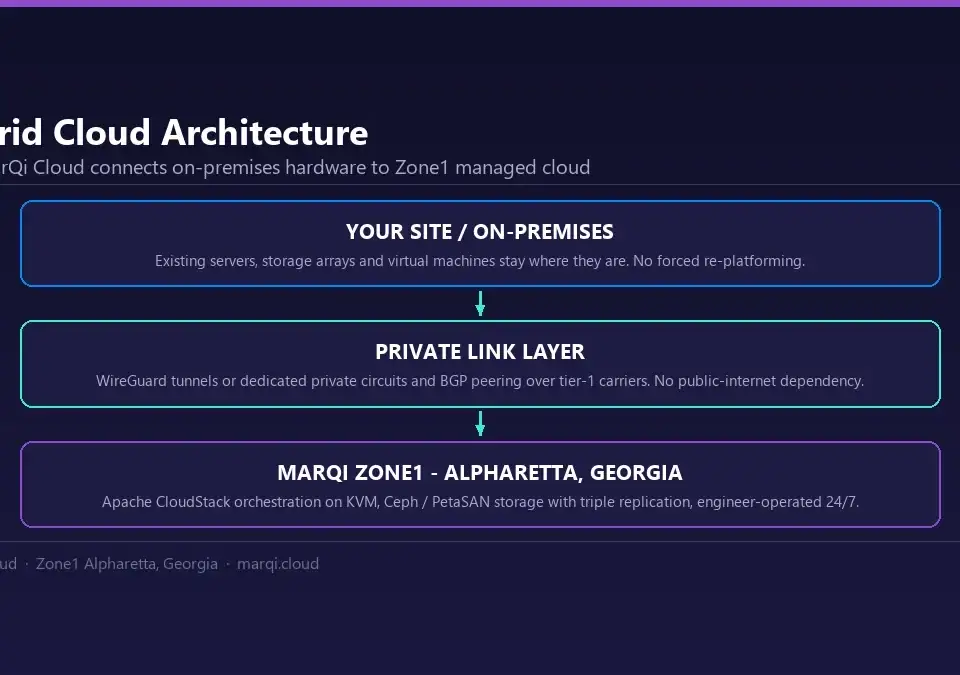
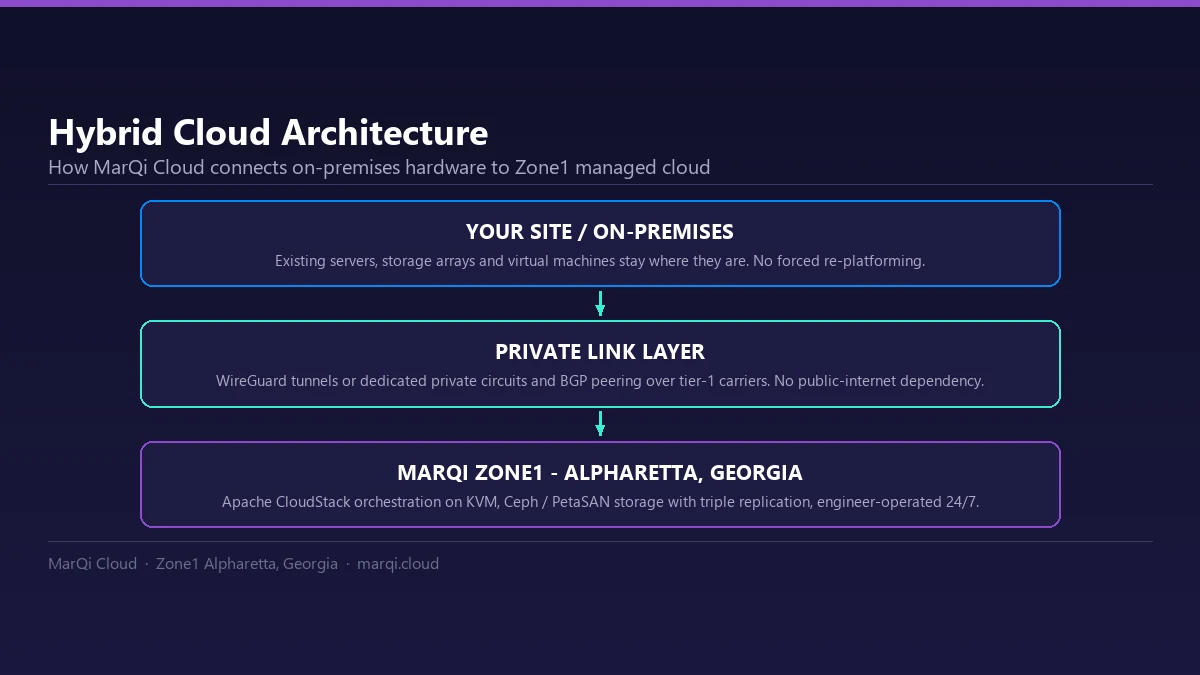
- Hybrid Cloud Solutions: While dedicated cloud infrastructure is crucial, many financial services companies will adopt hybrid cloud models to balance security and flexibility.
These trends highlight the ongoing need for financial services companies to adapt their cloud infrastructure to meet evolving compliance requirements.
8. Conclusion
In conclusion, dedicated cloud infrastructure is essential for financial services companies to achieve and maintain compliance in an increasingly regulated environment. By investing in dedicated solutions, these organizations can enhance security, streamline compliance efforts, and ultimately foster greater trust with their customers. As regulatory requirements continue to evolve, it is paramount for financial institutions to stay ahead of the curve by implementing robust cloud strategies tailored to their compliance needs. For organizations looking to strengthen their compliance posture, MarQi Cloud’s dedicated hybrid cloud solutions offer the perfect blend of security, scalability, and flexibility.
FAQ
1. What are dedicated cloud infrastructures?
Dedicated cloud infrastructures are cloud environments where resources are exclusively allocated to a single organization, providing enhanced security and performance.
2. How does dedicated cloud infrastructure support compliance?
It allows for tailored security measures, customizable compliance features, and improved performance, all of which facilitate adherence to regulatory requirements.
3. What are the key regulations impacting financial services?
Key regulations include GLBA, PCI DSS, SOX, GDPR, and CCPA, each requiring specific compliance measures from financial institutions.
4. What challenges do financial services face with cloud compliance?
Challenges include the complex regulatory landscape, data sovereignty issues, third-party risk, and the need for continuous monitoring.
5. What are best practices for implementing dedicated cloud infrastructure?
Best practices include conducting a compliance assessment, choosing a reputable cloud provider, implementing strong security measures, and developing a compliance framework.
6. Can dedicated cloud infrastructure help with disaster recovery?
Yes, dedicated cloud solutions can support disaster recovery and business continuity plans, ensuring quick recovery from disruptions.
7. What is the role of AI in cloud compliance?
AI can enhance compliance processes by automating monitoring and reporting, making it easier for financial institutions to maintain compliance.
8. How can financial services companies stay updated on regulatory changes?
They can subscribe to industry publications, attend relevant conferences, and engage with compliance experts to stay informed about regulatory updates.