Why MarQi Cloud Dedicated Connections Are the Future of Secure Cloud Networking
June 6, 2026
The Open Source Cloud Advantage: Why MarQi Cloud Never Locks You In
June 6, 2026
How MarQi Cloud Peering Eliminates Bandwidth Costs for High-Traffic Businesses
In today’s digital landscape, businesses are increasingly relying on cloud infrastructure to support their operations, especially those that experience high traffic. For these businesses, bandwidth costs can quickly add up, impacting their bottom line. Fortunately, MarQi Cloud’s innovative peering solutions offer a way to significantly reduce these expenses while enhancing performance and reliability. In this article, we will explore how MarQi Cloud peering works, its benefits, and why it is an excellent choice for high-traffic businesses.
Understanding Cloud Peering
Cloud peering refers to the direct interconnection between two or more cloud service providers or data centers. This setup allows for the exchange of data without the need to traverse the public internet, resulting in lower latency and reduced bandwidth costs.
How Peering Works
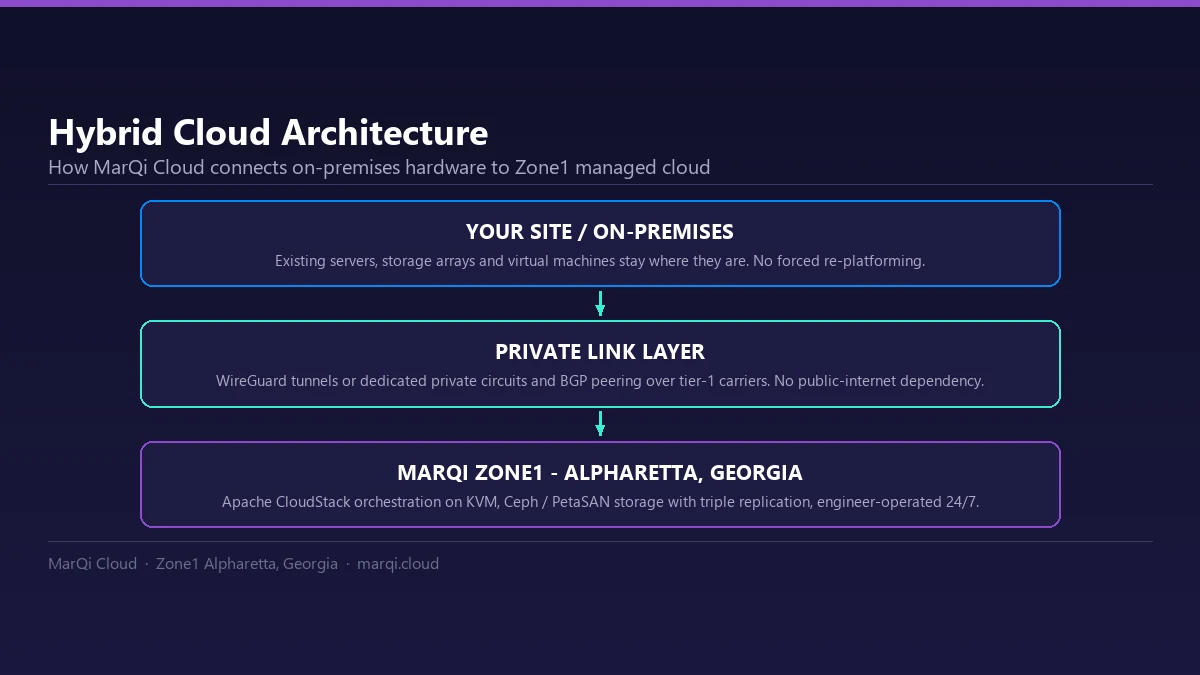
At its core, peering involves establishing a private connection between networks. For businesses utilizing MarQi Cloud, this means that data can flow between their on-premises infrastructure and MarQi’s cloud services directly, bypassing the public internet. This not only accelerates data transfer speeds but also minimizes the risk of congestion and packet loss.
Benefits of MarQi Cloud Peering for High-Traffic Businesses
High-traffic businesses face unique challenges when it comes to managing their bandwidth and ensuring seamless connectivity. Here are several key benefits of utilizing MarQi Cloud peering:
1. Cost Savings
One of the most significant advantages of cloud peering is the potential for substantial cost savings. High-traffic businesses often incur hefty bandwidth costs due to the volume of data they transmit. By leveraging MarQi Cloud’s peering solutions, these businesses can significantly reduce their reliance on public internet bandwidth, leading to lower operational costs.
2. Enhanced Performance
With MarQi Cloud peering, businesses experience improved performance due to reduced latency and faster data transfer speeds. Since data does not have to travel over the public internet, the risks associated with congestion and delays are minimized. This is particularly crucial for high-traffic businesses that require real-time data processing and application responsiveness.
3. Increased Reliability
Reliability is critical for any business, especially those with high traffic volumes. MarQi Cloud peering offers a more stable connection with fewer disruptions. This enhanced reliability ensures that businesses can maintain their operations without interruptions, thereby enhancing customer satisfaction and trust.
4. Scalability
As a business grows, so do its bandwidth needs. MarQi Cloud provides scalable compute and storage resources, allowing businesses to easily adjust their bandwidth and infrastructure as needed. This scalability is particularly beneficial for high-traffic businesses that may experience sudden spikes in demand.
5. Security
Security is a top concern for businesses, particularly when it comes to handling sensitive data. MarQi Cloud’s peering solutions provide a private and secure hosting environment, reducing the risk of data breaches and ensuring compliance with industry standards.
Implementing MarQi Cloud Peering
Implementing cloud peering with MarQi is a straightforward process. Here are the steps that high-traffic businesses can follow to take advantage of this innovative solution:
1. Assess Your Bandwidth Needs
Before implementing peering, businesses should assess their current bandwidth usage and future requirements. This assessment will help in determining the necessary infrastructure and resources needed to support peering.
2. Establish a Connection with MarQi Cloud
Once bandwidth needs are determined, businesses can establish a direct connection with MarQi Cloud. This may involve working with network engineers to set up the necessary infrastructure.
3. Monitor and Optimize
After implementing peering, it’s essential to monitor performance and bandwidth usage continuously. Regular optimization can help businesses maintain efficiency and ensure that they are getting the most out of their peering arrangement.
Real-World Success Stories
To illustrate the effectiveness of MarQi Cloud peering, consider the following success stories from high-traffic businesses:
Case Study 1: E-commerce Giant
An e-commerce company experiencing rapid growth faced significant bandwidth costs due to increased site traffic during peak shopping seasons. By implementing MarQi Cloud peering, the company reduced its bandwidth expenses by over 30%, allowing them to reinvest those savings into marketing and customer support.
Case Study 2: Streaming Service
A popular streaming service that struggled with latency issues during high-traffic events turned to MarQi Cloud peering. The result was a seamless viewing experience for users, with a 50% reduction in buffering times and a boost in user satisfaction ratings.
Conclusion
In today’s competitive landscape, high-traffic businesses cannot afford to overlook the impact of bandwidth costs on their operations. MarQi Cloud peering offers a powerful solution to eliminate these costs while enhancing performance, reliability, and security. By leveraging this innovative technology, businesses can focus on growth and customer satisfaction, rather than worrying about bandwidth expenses. If you’d like to learn more about MarQi Cloud peering and how it can benefit your business, contact us at +1 770-369-9321 for a consultation.
Frequently Asked Questions (FAQ)
1. What is cloud peering?
Cloud peering is a direct connection between two or more cloud service providers that allows for data exchange without using the public internet.
2. How does MarQi Cloud peering reduce bandwidth costs?
By bypassing the public internet and utilizing private connections, businesses can significantly lower their bandwidth expenses.
3. What are the performance benefits of peering?
Peering leads to reduced latency, faster data transfer speeds, and improved overall performance for applications and services.
4. Is MarQi Cloud peering secure?
Yes, MarQi Cloud peering provides a private and secure hosting environment, reducing the risk of data breaches.
5. Can I scale my bandwidth with MarQi Cloud peering?
Yes. MarQi Cloud offers scalable compute and storage resources to accommodate your growing bandwidth needs.
6. What industries benefit the most from cloud peering?
Industries such as e-commerce, media streaming, and software-as-a-service (SaaS) often benefit significantly from cloud peering.
7. How do I implement MarQi Cloud peering for my business?
Start by assessing your bandwidth needs, establishing a connection with MarQi Cloud, and then monitoring and optimizing your performance.
8. Can I integrate peering with my existing infrastructure?
Yes, MarQi Cloud peering can be integrated with your existing infrastructure, offering flexibility and compatibility.
9. What support does MarQi Cloud offer for peering solutions?
MarQi Cloud provides US-based infrastructure and support to assist businesses in implementing and optimizing their peering solutions.
10. How can I contact MarQi Cloud for more information?
You can reach us at +1 770-369-9321 for a consultation and to learn more about our peering solutions.