MarQi Cloud Uptime Report: A Transparent Look at Real Infrastructure Reliability
May 25, 2026
The MarQi Cloud Community: How Developers Share Tips and Get Answers Fast
May 26, 2026
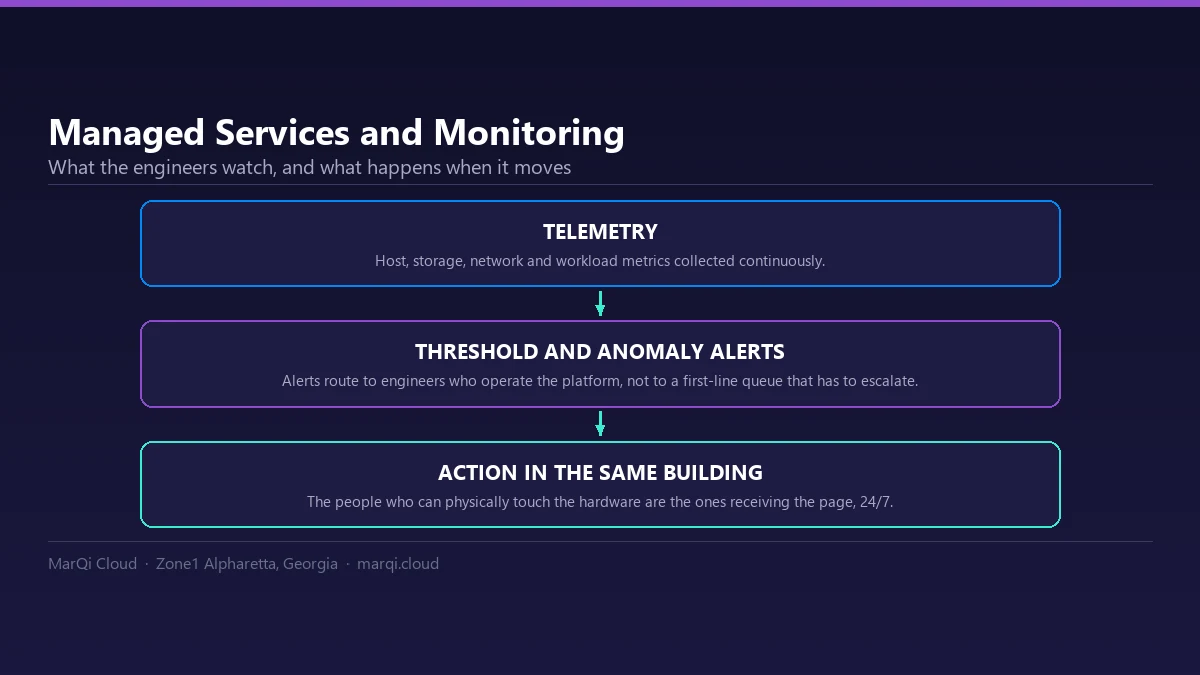
How to Use MarQi Cloud Monitoring Alerts to Catch Problems Before They Escalate
In today’s fast-paced digital environment, maintaining optimal performance and availability of cloud-based applications is paramount for businesses. Any downtime or performance degradation can lead to loss of revenue, damage to reputation, and customer dissatisfaction. This is where MarQi Cloud Monitoring Alerts come into play, providing essential tools to help organizations identify and resolve issues before they escalate. In this article, we will explore how to effectively use MarQi Cloud Monitoring Alerts to catch problems early and ensure seamless operations.
Understanding Cloud Monitoring Alerts
Cloud monitoring refers to the process of tracking the performance and health of cloud infrastructure, applications, and services. Monitoring alerts are notifications triggered by specific events or thresholds being met in your cloud environment. These alerts can include anything from unusual spikes in resource usage to critical application failures.
Why Are Monitoring Alerts Important?
Monitoring alerts play a crucial role in proactive problem management. By receiving alerts in real-time, organizations can:
- Identify and address issues before they impact users.
- Optimize resource utilization and reduce costs.
- Maintain compliance with service level agreements (SLAs).
- Enhance overall operational efficiency.
Setting Up MarQi Cloud Monitoring Alerts
To effectively utilize MarQi Cloud Monitoring Alerts, organizations must first set them up correctly. Here are the steps to do so:
1. Define Key Metrics to Monitor
Before setting up alerts, identify the key performance indicators (KPIs) relevant to your business objectives. Common metrics include:
- CPU usage
- Memory utilization
- Disk I/O
- Network latency
- Application response time
2. Choose Alert Conditions
Once you have defined your KPIs, determine the conditions that will trigger alerts. For instance, you might want to receive an alert if CPU usage exceeds 80% for more than 5 minutes or if response time exceeds 2 seconds. Be mindful of avoiding alert fatigue by not setting thresholds too low.
3. Configure Notification Channels
MarQi Cloud allows you to configure various notification channels to receive alerts. Consider setting up notifications via:
- SMS
- Mobile app notifications
- Integration with collaboration tools like Slack or Microsoft Teams
4. Test Your Alerts
Before relying on your monitoring alerts, conduct tests to ensure they function as expected. Simulate high CPU usage or other conditions to verify that alerts are triggered appropriately.
Responding to Monitoring Alerts
Receiving an alert is only the first step. How you respond can make a significant difference in preventing issues from escalating.
1. Assess the Alert
When you receive an alert, assess its severity and context. Determine whether it is a false alarm or a genuine issue that requires immediate attention.
2. Investigate the Root Cause
Conduct a thorough investigation to identify the underlying cause of the alert. Use MarQi Cloud’s monitoring tools to analyze historical data and trends that may help pinpoint the issue.
3. Implement a Solution
Once you have identified the root cause, implement a solution. This may involve scaling resources, optimizing configurations, or addressing code-level issues in applications.
4. Document the Incident
After resolving the issue, document the incident and the steps taken to resolve it. This documentation can serve as a valuable reference for future incidents and help improve response times.
Best Practices for Effective Monitoring
To maximize the effectiveness of MarQi Cloud Monitoring Alerts, consider the following best practices:
1. Regularly Review Alert Configurations
Regularly review and adjust your alert configurations to ensure they remain relevant to your business needs. As your applications and infrastructure evolve, so should your monitoring strategies.
2. Prioritize Alerts
Not all alerts are created equal. Categorize alerts by severity and prioritize them accordingly. This helps teams focus on critical issues that require immediate attention.
3. Utilize Automation
Where possible, automate responses to common alerts. For instance, if CPU usage spikes, consider automatically scaling resources to meet demand without manual intervention.
4. Foster a Culture of Proactivity
Encourage your team to adopt a proactive mindset towards monitoring. Regular training and awareness can help team members recognize the importance of monitoring and develop best practices for responding to alerts.
Conclusion
MarQi Cloud Monitoring Alerts are indispensable tools for organizations seeking to maintain optimal performance in their cloud environments. By implementing a structured approach to setting up, responding to, and optimizing monitoring alerts, businesses can catch problems before they escalate and ensure a seamless experience for their users. Adopting best practices and fostering a culture of proactivity will ultimately lead to enhanced operational efficiency and improved business outcomes.
FAQs
1. What are cloud monitoring alerts?
Cloud monitoring alerts are notifications that inform you about specific events or thresholds in your cloud environment, enabling proactive issue management.
2. How do I set up monitoring alerts in MarQi Cloud?
To set up monitoring alerts in MarQi Cloud, define key metrics, choose alert conditions, configure notification channels, and test your alerts.
3. Why is it important to respond to alerts promptly?
Responding to alerts promptly helps prevent issues from escalating, ensuring minimal disruption to services and maintaining user satisfaction.
4. Can I automate responses to monitoring alerts?
Yes, MarQi Cloud allows for the automation of responses to common alerts, helping streamline operations and reduce manual intervention.
5. How often should I review my alert configurations?
Regularly review your alert configurations, ideally on a quarterly basis, to ensure they align with your evolving business needs and infrastructure.
6. What should I do if I receive a false alarm?
If you receive a false alarm, assess the alert, check your configurations, and adjust thresholds to minimize future occurrences.
7. How do I determine the root cause of an alert?
Use MarQi Cloud’s monitoring tools to analyze historical data and trends that can help pinpoint the underlying issue causing the alert.
8. What are the consequences of ignoring monitoring alerts?
Ignoring monitoring alerts can lead to significant downtime, performance degradation, and potential loss of revenue and customer trust.
9. How can I categorize alerts by severity?
You can categorize alerts by defining specific thresholds for critical, warning, and informational alerts based on their potential impact on services.
10. What role does documentation play in incident management?
Documentation serves as a reference for future incidents, helping teams learn from past experiences and improve response strategies.