How Cloud Infrastructure Supports PCI DSS Compliance for Payment Processing
August 22, 2026
How Cloud Hosting Empowers EdTech Platforms to Scale Effectively During Enrollment Surges
August 23, 2026
The Ultimate IT Director’s Guide to Cloud Compliance for Government Contractors
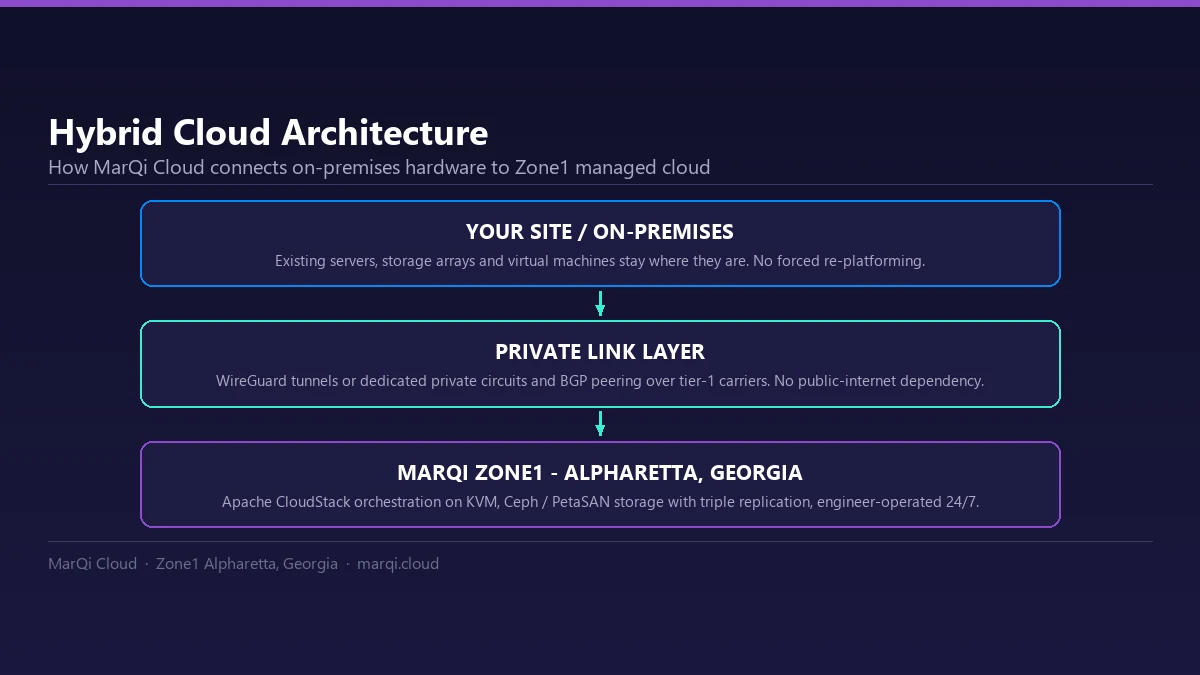
As an IT director in a government contracting organization, navigating the complexities of cloud compliance can be daunting. The cloud offers unparalleled flexibility, scalability, and cost-efficiency, but it also presents unique compliance challenges, particularly for organizations handling sensitive government data. This comprehensive guide aims to equip IT directors with the knowledge and tools necessary to ensure their cloud environments meet rigorous compliance standards while leveraging the benefits of cloud technology. In this guide, we will explore key compliance regulations, best practices for cloud security, and actionable strategies for maintaining compliance in a hybrid cloud environment.
Understanding Cloud Compliance
Cloud compliance refers to the adherence to regulations, standards, and policies governing the use of cloud computing services. For government contractors, this means ensuring that their cloud solutions meet specific compliance requirements mandated by federal agencies. Compliance is not merely a checkbox exercise; it is a continuous process that involves regular audits, security assessments, and updates to policies and procedures.
Understanding the nuances of cloud compliance is essential for IT directors. It requires a deep knowledge of both the technical aspects of cloud services and the regulatory landscape. This dual expertise ensures that organizations can effectively manage risks while taking full advantage of cloud capabilities.
Key Regulations for Government Contractors
Government contractors must comply with various regulations that dictate how they manage, store, and process data. Here are some of the key regulations that IT directors should be aware of:
- Federal Information Security Management Act (FISMA): This act requires federal agencies and their contractors to secure information systems and data. Compliance involves implementing security controls and regularly assessing their effectiveness.
- Federal Risk and Authorization Management Program (FedRAMP): FedRAMP provides a standardized approach to security assessment, authorization, and continuous monitoring for cloud products and services used by federal agencies.
- Defense Federal Acquisition Regulation Supplement (DFARS): DFARS mandates that defense contractors implement specific cybersecurity measures to protect Controlled Unclassified Information (CUI).
- Health Insurance Portability and Accountability Act (HIPAA): For contractors dealing with healthcare data, compliance with HIPAA is critical. This law outlines standards for the protection of sensitive patient information.
- General Data Protection Regulation (GDPR): Although primarily a European regulation, GDPR affects any organization that handles the personal data of EU citizens, even if the organization is based in the U.S.
Comparison of Key Regulations
| Regulation | Scope | Key Requirements |
|---|---|---|
| FISMA | Federal agencies and contractors | Security controls, continuous monitoring |
| FedRAMP | Cloud services for federal agencies | Security assessment, authorization, monitoring |
| DFARS | Defense contractors | Cybersecurity measures for CUI |
| HIPAA | Healthcare organizations | Protection of patient information |
| GDPR | Organizations handling EU personal data | Data protection, privacy rights |
Understanding these regulations is crucial for IT directors as they shape the compliance landscape for government contractors. Each regulation has specific requirements that must be met, and failure to comply can result in severe penalties, including loss of contracts and legal repercussions.
Best Practices for Cloud Security
Ensuring compliance in a cloud environment requires robust security practices. Here are some best practices that IT directors should implement:
1. Conduct Regular Risk Assessments
Regular risk assessments help identify vulnerabilities within your cloud infrastructure. By understanding potential threats, IT directors can prioritize security measures and ensure compliance with relevant regulations.
2. Implement Strong Access Controls
Access controls are vital in limiting who can access sensitive data in the cloud. IT directors should implement role-based access controls (RBAC) to ensure that employees only have access to the information necessary for their roles.
3. Encrypt Sensitive Data
Data encryption is essential for protecting sensitive information stored in the cloud. IT directors should ensure that data is encrypted both at rest and in transit to mitigate the risk of unauthorized access.
4. Maintain an Incident Response Plan
Having a well-defined incident response plan is critical for quickly addressing security breaches. IT directors should regularly review and update their plans to ensure they are prepared for potential incidents.
5. Utilize Multi-Factor Authentication (MFA)
MFA adds an additional layer of security by requiring users to provide two or more verification factors to gain access to cloud services. This significantly reduces the risk of unauthorized access.
Developing a Compliance Strategy
Creating a comprehensive compliance strategy involves several key steps:
1. Assess Current Compliance Status
Begin by evaluating your organization’s current compliance status. Identify areas of strength and weakness, and determine what regulatory requirements apply to your cloud services.
2. Define Compliance Objectives
Establish clear compliance objectives that align with your organization’s goals. These objectives should be measurable and achievable.
3. Develop Policies and Procedures
Create detailed policies and procedures that outline how your organization will meet compliance requirements. Ensure that all employees are trained on these policies.
4. Implement Monitoring and Reporting
Continuous monitoring is essential for maintaining compliance. IT directors should implement tools and processes for tracking compliance metrics and reporting on their status regularly.
5. Conduct Regular Audits
Regular audits help ensure ongoing compliance and identify areas for improvement. IT directors should schedule audits at least annually and address any findings promptly.
Cloud Compliance Tools and Resources
Utilizing the right tools can streamline the compliance process. Here are some recommended tools and resources for IT directors:
- Compliance Management Software: Tools like Compliance360 help organizations manage compliance documentation and track regulatory changes.
- Security Information and Event Management (SIEM) Solutions: SIEM tools like Splunk can monitor security events and assist in compliance reporting.
- Cloud Security Posture Management (CSPM) Tools: Solutions such as Palo Alto Networks CSPM help organizations assess their cloud security configurations and ensure compliance with regulatory standards.
The Role of the IT Director in Compliance
The IT director plays a pivotal role in ensuring cloud compliance within government contracting organizations. Key responsibilities include:
- Leadership: Leading compliance initiatives and fostering a culture of security within the organization.
- Collaboration: Working with cross-functional teams, including legal, HR, and operations, to ensure compliance efforts are aligned with organizational goals.
- Education: Providing training and resources to staff to ensure they understand compliance requirements and best practices.
- Continuous Improvement: Regularly reviewing and enhancing compliance strategies to adapt to changing regulations and emerging threats.
Frequently Asked Questions
What is cloud compliance?
Cloud compliance refers to the adherence to regulations and standards governing the use of cloud services, particularly for organizations handling sensitive data.
Why is cloud compliance important for government contractors?
Compliance is crucial for government contractors to protect sensitive data, avoid legal penalties, and maintain eligibility for government contracts.
What are the key regulations for government contractors?
Key regulations include FISMA, FedRAMP, DFARS, HIPAA, and GDPR, each with specific requirements for data protection and security.
How can IT directors ensure cloud compliance?
IT directors can ensure compliance by conducting regular risk assessments, implementing strong access controls, and maintaining an incident response plan.
What tools can help with cloud compliance?
Compliance management software, SIEM solutions, and CSPM tools can assist organizations in managing compliance and security in the cloud.
How often should compliance audits be conducted?
Compliance audits should be conducted at least annually, with more frequent assessments as needed based on organizational changes or regulatory updates.
What role does employee training play in cloud compliance?
Employee training is essential for ensuring that all staff understand compliance requirements and their responsibilities in maintaining security.
How can organizations stay updated on compliance regulations?
Organizations can stay updated by subscribing to industry newsletters, joining professional associations, and attending relevant training and conferences.