Essential Observability Stacks: Prometheus, Grafana, and Loki for Cloud Success
August 15, 2026
How Canary Deployments on Cloud Infrastructure Reduce Release Risk
August 15, 2026
The Complete Guide to Log Aggregation and Analysis for Cloud Infrastructure
In today’s digital landscape, effective log aggregation and analysis are paramount for maintaining robust cloud infrastructure. As organizations increasingly migrate their operations to the cloud, the volume and complexity of log data generated can become overwhelming. This comprehensive guide will delve into the intricacies of log aggregation and analysis specifically tailored for cloud environments, equipping you with the knowledge and tools necessary to enhance your infrastructure’s security, performance, and compliance.
What is Log Aggregation?
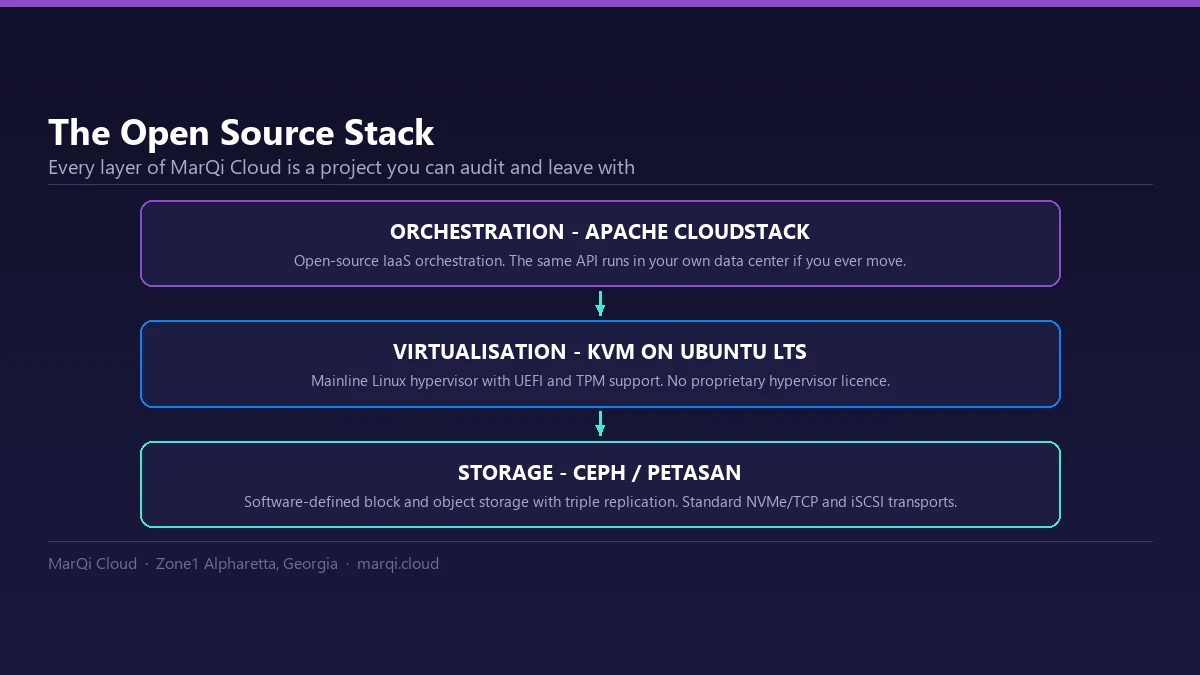
Log aggregation is the process of collecting and consolidating log data from various sources into a centralized platform for easier management and analysis. In a cloud infrastructure context, this involves gathering logs from servers, applications, network devices, and security systems. The primary goal of log aggregation is to enable real-time monitoring and facilitate incident response by providing a unified view of system activities. Logs are only as useful as the platform underneath is knowable — the MarQi Cloud infrastructure layer sets out what runs where.
Importance of Log Analysis in Cloud Infrastructure
Log analysis is crucial for several reasons:
- Security Monitoring: By analyzing logs, organizations can detect suspicious activities and potential security breaches early. For instance, abnormal login attempts or unusual data access patterns can trigger alerts.
- Performance Optimization: Log data can reveal performance bottlenecks, helping IT teams optimize resource allocation and application performance.
- Compliance and Auditing: Many industries have stringent compliance requirements. Log analysis helps ensure that organizations meet regulatory standards by maintaining accurate records of system activities.
- Incident Response: During an incident, logs provide invaluable insights into what happened, enabling faster and more effective response actions.
Top Log Aggregation Tools for Cloud Infrastructure
Several tools are available for log aggregation, each offering unique features tailored to different organizational needs. Here’s a comparison of some of the top tools in the industry:
| Tool | Key Features | Best For |
|---|---|---|
| ELK Stack (Elasticsearch, Logstash, Kibana) | Open-source, real-time search, and analytics | Organizations looking for a customizable solution |
| Splunk | Advanced analytics, machine learning capabilities | Large enterprises needing comprehensive monitoring |
| Graylog | Centralized log management, alerting | Mid-sized businesses seeking cost-effective solutions |
| Loggly | Cloud-based, easy integration with various platforms | Teams needing quick deployment |
| Papertrail | Real-time log monitoring, simple setup | Small teams with minimal infrastructure |
Choosing the right log aggregation tool depends on your organization’s size, budget, and specific requirements. For enterprises requiring robust security and performance, MarQi Cloud offers managed services that can integrate seamlessly with your existing log management solutions.
Setting Up Log Aggregation in the Cloud
Implementing log aggregation involves several critical steps:
- Identify Log Sources: Determine which systems and applications will generate logs. Common sources include web servers, application servers, database servers, and network devices.
- Select a Log Aggregation Tool: Based on your assessment, choose a log aggregation tool that meets your needs.
- Configure Log Forwarding: Set up log forwarding from your identified sources to the chosen aggregation tool. This may involve installing agents or configuring syslog.
- Define Log Retention Policies: Determine how long logs should be retained based on compliance requirements and storage capabilities.
- Set Up Dashboards and Alerts: Create dashboards for real-time monitoring and configure alerts for specific log events that require immediate attention.
Best Practices for Log Analysis
To maximize the benefits of log analysis, consider the following best practices:
- Centralize Log Management: Utilize a centralized log management system to streamline data access and enhance collaboration among teams.
- Regularly Review Logs: Schedule regular log reviews to identify patterns, anomalies, and trends that could indicate potential issues.
- Implement Access Controls: Ensure that only authorized personnel can access logs to maintain data integrity and confidentiality.
- Train Your Team: Invest in training for your IT staff on log analysis techniques and tools to enhance their skills and efficiency.
Common Log Analysis Techniques
Effective log analysis requires various techniques to extract meaningful insights:
- Pattern Recognition: Identify recurring patterns in log data to predict future events or detect anomalies.
- Correlation Analysis: Analyze relationships between different log entries to uncover hidden insights that may not be apparent in isolation.
- Trend Analysis: Monitor log data over time to identify trends that could impact system performance or security.
Real-World Case Studies
Understanding how log aggregation and analysis have been successfully implemented can provide valuable insights. Here are a few notable case studies:
Case Study 1: Financial Services Company
A leading financial services firm implemented a log aggregation solution to enhance its security posture. By centralizing log data from various applications, they were able to reduce incident response times by 50% and improve compliance with industry regulations.
Case Study 2: E-Commerce Platform
An e-commerce platform leveraged log analysis to optimize their site performance. By analyzing user behavior logs, they identified bottlenecks in their checkout process and subsequently increased conversion rates by 30%.
Case Study 3: Healthcare Provider
A healthcare provider utilized log aggregation to maintain compliance with HIPAA regulations. By implementing a robust log management system, they ensured that all access to patient records was tracked and audited, significantly reducing the risk of data breaches.
Frequently Asked Questions
What is the difference between log aggregation and log analysis?
Log aggregation refers to the process of collecting and consolidating log data from different sources, while log analysis involves examining that data to extract meaningful insights.
Why is log aggregation important for cloud infrastructure?
Log aggregation is crucial for cloud infrastructure as it enables centralized monitoring, enhances security, and simplifies compliance with regulatory requirements.
What are some common log aggregation tools?
Popular log aggregation tools include ELK Stack, Splunk, Graylog, Loggly, and Papertrail.
How do I set up log aggregation for my cloud services?
To set up log aggregation, identify your log sources, select a tool, configure log forwarding, define retention policies, and create dashboards for monitoring.
What should I include in my log retention policy?
Your log retention policy should specify how long logs will be kept, taking into account compliance requirements and storage capacity.
How can log analysis improve security?
Log analysis helps detect unusual activities, potential breaches, and vulnerabilities, allowing organizations to respond quickly to threats.
Is log aggregation suitable for small businesses?
Yes, log aggregation can benefit small businesses by providing insights into performance and security, although the tools selected should be appropriate for their scale.
What are the best practices for log analysis?
Best practices include centralizing log management, regularly reviewing logs, implementing access controls, and training your team.
Conclusion
Log aggregation and analysis are vital components of effective cloud infrastructure management. By implementing the right tools and practices, organizations can enhance their security posture, optimize performance, and ensure compliance with regulatory requirements. For enterprises seeking tailored cloud solutions, MarQi Cloud provides hybrid cloud infrastructure and secure hosting solutions designed to meet the unique demands of modern businesses.