The Complete Guide to Managed Kubernetes Services for Enterprise Workloads
August 30, 2026
Why Managed Cloud Reporting and Dashboards Enhance IT Decision-Making
August 31, 2026
How Managed Cloud Database Administration Ensures Performance and Availability
In today’s fast-paced digital landscape, the performance and availability of databases are critical to the success of any enterprise. For organizations that rely on data-driven decision-making, managed cloud database administration offers a robust solution to ensure optimal performance and high availability. In this article, we will explore the intricacies of managed cloud database administration, its benefits, and how it guarantees that your data remains accessible and performing at its best. By the end, you’ll understand why partnering with an expert like MarQi Cloud can elevate your database management strategy.
What is Managed Cloud Database Administration?
Managed cloud database administration refers to the comprehensive management of cloud-based databases by specialized service providers. This service encompasses a range of tasks including database setup, configuration, monitoring, maintenance, and optimization. Organizations that opt for managed cloud database services can focus on their core business activities while ensuring that their databases are in capable hands. Managed cloud database providers typically offer services such as performance tuning, backup and recovery, security management, and scalability adjustments.
Benefits of Managed Cloud Database Administration
Utilizing managed cloud database administration comes with a plethora of benefits:
- Cost Efficiency: By outsourcing database management, organizations can significantly reduce operational costs associated with in-house database administration.
- Expertise on Demand: Managed service providers (MSPs) bring specialized knowledge and experience, ensuring that your database is managed by experts who are well-versed in the latest technologies and best practices.
- Scalability: Managed cloud database solutions are inherently scalable, allowing organizations to adjust their resources based on demand without the hassle of manual configuration.
- Enhanced Security: Security is paramount in database management. Managed service providers implement robust security measures to protect sensitive data from breaches and unauthorized access.
- Performance Monitoring: Continuous monitoring and optimization of database performance ensure that applications run smoothly and efficiently.
Ensuring Performance in Managed Cloud Databases
Performance is a key aspect of any database system. With managed cloud database administration, several strategies are employed to ensure optimal performance:
1. Proactive Monitoring
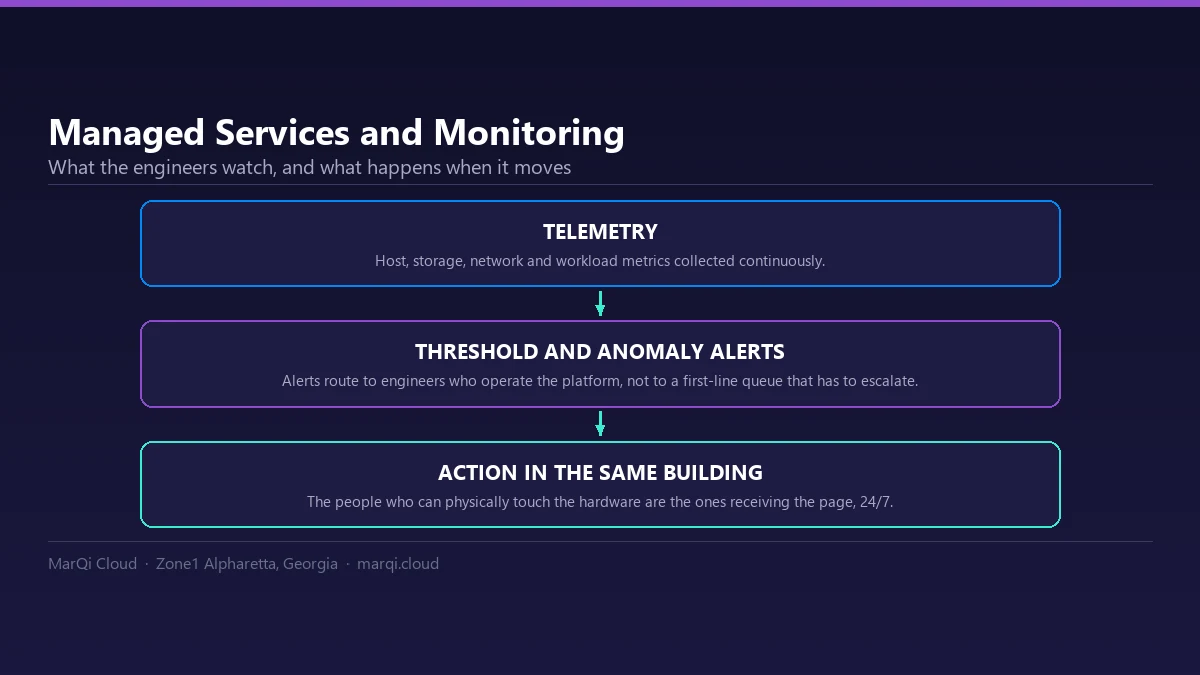
Managed cloud database providers utilize advanced monitoring tools to track database performance metrics. This includes monitoring CPU usage, memory consumption, disk I/O, and query performance. By identifying performance bottlenecks, administrators can take corrective actions before they escalate into major issues.
2. Regular Optimization
Regular performance tuning is essential for maintaining database efficiency. This involves optimizing queries, indexing strategies, and database design. Managed service providers apply best practices to ensure that the database operates at peak performance.
3. Load Balancing
Load balancing distributes incoming database requests across multiple servers, preventing any single server from becoming overwhelmed. This results in faster response times and improved user experience.
4. Auto-Scaling
With managed cloud databases, auto-scaling capabilities allow organizations to automatically adjust their database resources based on real-time demand. This ensures that performance remains consistent even during peak usage times.
5. Data Caching
Implementing data caching strategies can significantly enhance database performance. By storing frequently accessed data in memory, managed cloud database solutions can reduce the time taken to retrieve data from the disk.
Ensuring Availability in Managed Cloud Databases
Availability is just as critical as performance in database management. Managed cloud database administration employs various strategies to ensure high availability:
1. Redundancy
Redundancy involves creating duplicate instances of databases across different geographical locations. This ensures that if one instance fails, others can take over, minimizing downtime.
2. Backup and Recovery
Regular backups are essential for data recovery in case of failures or disasters. Managed service providers implement automated backup solutions that allow for quick and reliable restoration of data.
3. Disaster Recovery Planning
Having a disaster recovery plan in place is crucial for maintaining availability. Managed cloud database providers develop comprehensive strategies that outline recovery processes in the event of a catastrophic failure.
4. Maintenance Windows
Scheduled maintenance windows allow for updates and upgrades without impacting availability. Managed service providers carefully plan these windows to minimize disruptions.
5. Failover Mechanisms
Failover mechanisms automatically switch to a standby database instance in case the primary instance fails. This ensures continuous availability and minimizes the impact on users.
The Role of Experts in Managed Cloud Database Administration
The expertise of managed cloud database administrators is crucial in ensuring both performance and availability:
- Expert Knowledge: Cloud database administrators possess deep knowledge of database technologies and architectures. They stay updated with industry trends and best practices, ensuring that your database is always managed effectively.
- Proactive Management: With their experience, experts can anticipate potential issues and address them proactively, reducing the risk of downtime or performance degradation.
- Tailored Solutions: Managed service providers offer customized solutions that align with your specific business needs, ensuring that your database strategy effectively supports your organizational goals.
- Compliance and Security: Database experts understand the regulatory landscape and can implement measures to ensure compliance with industry standards, safeguarding sensitive data.
Best Practices for Effective Database Management
To maximize the benefits of managed cloud database administration, consider these best practices:
- Regular Audits: Conduct regular audits of your database performance and security measures to identify areas for improvement.
- Documentation: Maintain comprehensive documentation of your database architecture, configurations, and procedures to ensure consistency and facilitate troubleshooting.
- Training and Development: Invest in training for your team to enhance their understanding of database management and cloud technologies.
- Collaboration: Foster collaboration between your IT and database administration teams to ensure alignment on objectives and strategies.
- Leverage Automation: Utilize automation tools to streamline repetitive tasks, allowing your team to focus on strategic initiatives.
Common Challenges in Managed Cloud Database Administration
While managed cloud database administration offers numerous benefits, organizations may face certain challenges:
- Vendor Lock-In: Relying on a single managed service provider may lead to challenges if you wish to switch providers in the future.
- Cost Management: While outsourcing can reduce costs, organizations must monitor and manage their expenses to avoid unexpected charges.
- Data Security Concerns: Entrusting sensitive data to a third party can raise security concerns. It’s vital to choose a reputable provider with robust security measures.
- Integration Complexity: Integrating managed cloud databases with existing systems can be complex and may require careful planning and execution.
Frequently Asked Questions
What is managed cloud database administration?
Managed cloud database administration is the outsourcing of database management tasks to specialized service providers, ensuring optimal performance and availability.
How does managed cloud database administration ensure database performance?
Providers utilize proactive monitoring, regular optimization, load balancing, auto-scaling, and data caching to ensure high performance.
What measures are in place for database availability?
High availability is achieved through redundancy, backup and recovery solutions, disaster recovery planning, maintenance windows, and failover mechanisms.
Why should I choose a managed service provider for my database?
Managed service providers offer expertise, cost efficiency, scalability, enhanced security, and performance monitoring, allowing you to focus on core business activities.
What are the common challenges of managed cloud database administration?
Common challenges include vendor lock-in, cost management, data security concerns, and integration complexity.
How can I ensure compliance with industry regulations?
Choosing a reputable managed service provider that understands regulatory requirements and implements necessary compliance measures is essential.
What best practices should I follow for effective database management?
Regular audits, documentation, training and development, collaboration, and leveraging automation are key best practices for effective database management.
How can MarQi Cloud help with managed cloud database administration?
MarQi Cloud offers enterprise-grade managed cloud database solutions, ensuring performance, availability, and security tailored to your specific business needs.
Conclusion
Managed cloud database administration serves as a cornerstone for ensuring the performance and availability of your critical data. By leveraging the expertise of specialized providers like MarQi Cloud, organizations can optimize their database management strategy, reduce costs, and enhance security. As businesses continue to embrace digital transformation, investing in managed cloud database services will undoubtedly lead to greater efficiency and success.