The Complete Guide to Cloud Infrastructure for HR Technology Platforms
August 27, 2026
The Complete Guide to Choosing a Managed Cloud Provider for Your Business
August 27, 2026
How Managed Cloud Services Alleviate IT Burdens for SMEs
In today’s fast-paced digital landscape, small and mid-size enterprises (SMEs) face the daunting challenge of managing complex IT infrastructures while ensuring operational efficiency and security. For many, the solution lies in embracing managed cloud services. These services not only reduce the IT burden but also provide SMEs with the scalability and flexibility they need to thrive in competitive markets. In this article, we will explore how managed cloud services can transform the IT landscape for SMEs, detailing the benefits, strategies for implementation, and expert insights to help you understand this essential shift.
What Are Managed Cloud Services?
Managed cloud services refer to the outsourcing of cloud computing management and support to a third-party provider. This includes services such as cloud infrastructure management, data storage, security, and application hosting. By leveraging the expertise of managed service providers (MSPs), SMEs can focus on their core business operations while ensuring their IT needs are met efficiently and securely.
The Role of Managed Service Providers
Managed service providers act as an extension of an organization’s IT department, handling everything from routine maintenance to strategic planning. This partnership allows SMEs to access advanced technologies and skilled professionals without the need for substantial upfront investments. Key services provided by MSPs include:
- Cloud Infrastructure Management: Ensuring optimal performance and availability of cloud resources.
- Security Services: Implementing robust security measures to protect sensitive data.
- Data Backup and Recovery: Safeguarding business continuity through effective disaster recovery solutions.
- Technical Support: Providing 24/7 support for troubleshooting and maintenance.
Benefits of Managed Cloud Services for SMEs
Transitioning to managed cloud services can yield significant advantages for SMEs, including:
1. Cost Efficiency
Managed cloud services eliminate the need for large capital expenditures on hardware and software. Instead, SMEs can opt for flexible pricing models that match their usage, leading to predictable budgeting and reduced overall IT costs. Because managed cloud shifts spend from capital purchases to usage-based pricing, the saving shows up as a smaller and more predictable IT bill rather than a fixed percentage.
2. Enhanced Security
Security is a primary concern for SMEs, especially as cyber threats continue to evolve. Managed cloud services providers typically offer advanced security features such as encryption, firewalls, and intrusion detection systems. This ensures that sensitive business data is protected from unauthorized access. Additionally, compliance with regulations such as GDPR and HIPAA becomes easier with the right managed services in place.
3. Scalability
As SMEs grow, their IT needs often change. Managed cloud services provide the flexibility to scale resources up or down based on demand. This scalability ensures that businesses can adapt to changing market conditions without incurring unnecessary costs.
4. Focus on Core Business
By outsourcing IT management to a trusted provider, SMEs can concentrate on their core competencies and strategic initiatives. This not only enhances productivity but also allows businesses to innovate and compete more effectively in their respective industries.
5. Access to Expertise
Managed service providers employ skilled professionals with extensive knowledge of cloud technologies and best practices. This access to expertise enables SMEs to leverage advanced technologies without the need for in-house specialists, fostering innovation and growth.
How Managed Cloud Services Reduce IT Burden
The IT burden for SMEs can often be overwhelming, especially with limited resources and expertise. Managed cloud services help alleviate this burden in several key ways:
1. Proactive Monitoring and Maintenance
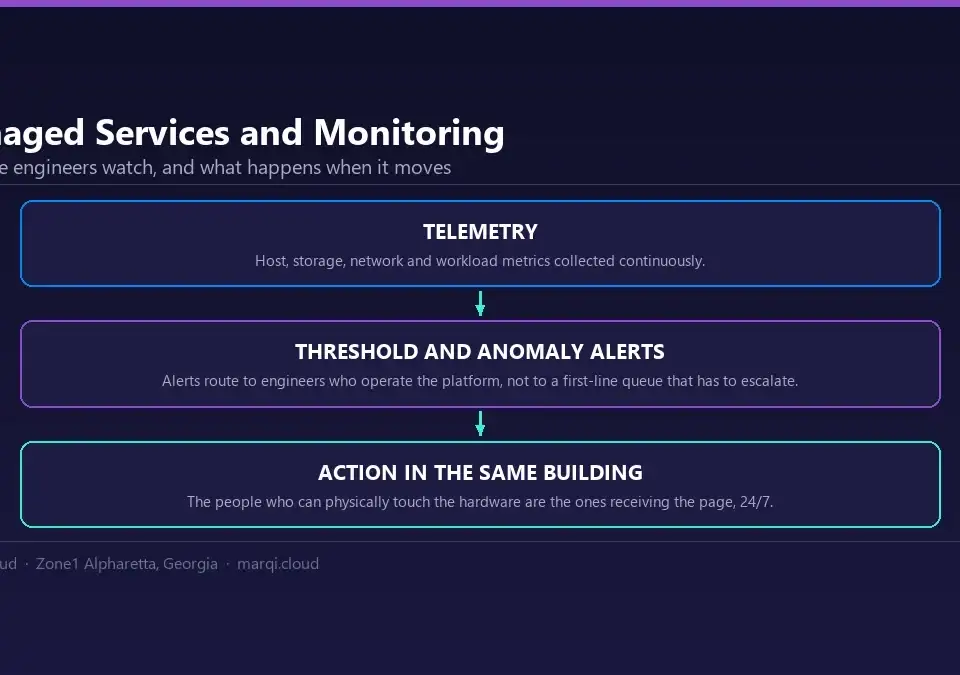
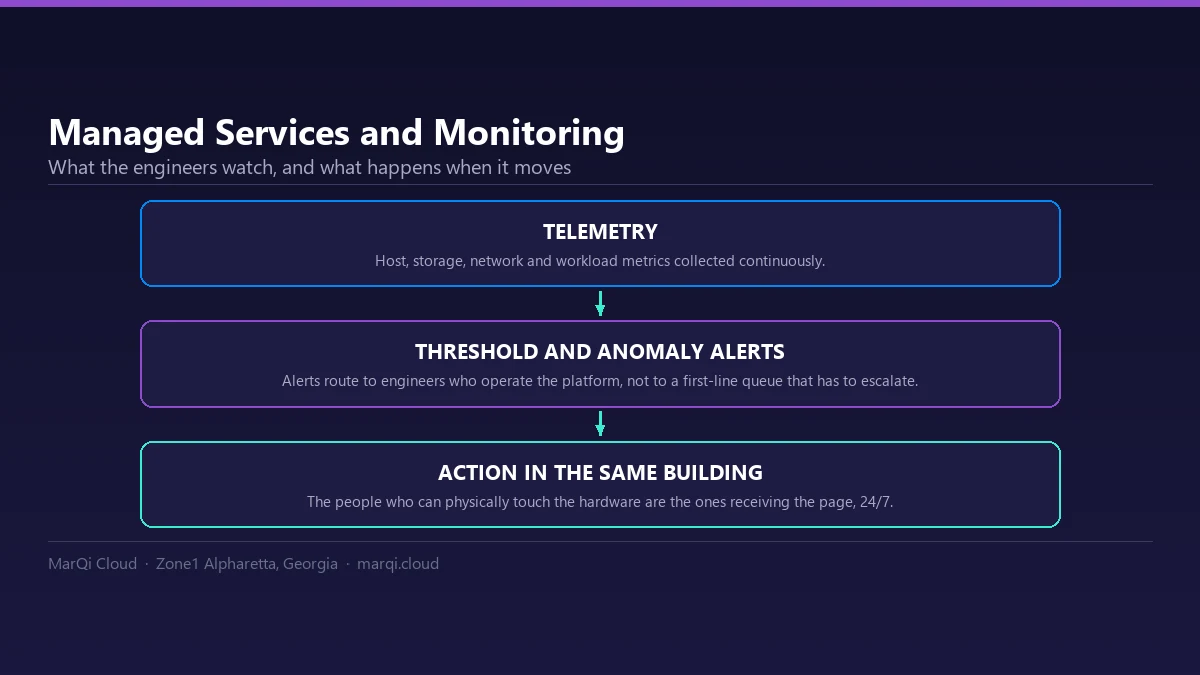
Managed service providers continuously monitor IT systems and infrastructure, identifying and addressing potential issues before they escalate into significant problems. This proactive approach minimizes downtime and ensures optimal performance.
2. Streamlined Operations
By consolidating IT functions under a managed service provider, SMEs can streamline their operations. This consolidation leads to improved efficiency, reduced complexity, and enhanced collaboration across teams. Managed cloud services can raise operational efficiency by removing duplicated tooling and handoffs between internal teams.
3. Simplified Compliance
Navigating compliance requirements can be challenging for SMEs. Managed cloud services providers often include compliance support as part of their offerings, ensuring that businesses meet industry regulations without added complexity. This is particularly important for industries such as healthcare and finance, where compliance is critical.
4. Disaster Recovery and Business Continuity
Managed cloud services typically include robust disaster recovery solutions that protect against data loss and ensure business continuity. With features such as automated backups and recovery planning, SMEs can recover quickly from unforeseen disruptions.
5. Enhanced Collaboration Tools
Managed cloud services often provide access to collaborative tools that improve communication and productivity among teams. This fosters a culture of collaboration, enabling SMEs to respond quickly to market changes and customer needs.
Choosing the Right Managed Cloud Provider
Selecting the right managed cloud provider is crucial for successfully reducing the IT burden. Here are key factors to consider:
1. Expertise and Experience
Look for providers with a proven track record in managed cloud services. Their experience in your industry can be a significant advantage.
2. Range of Services
Choose a provider that offers a comprehensive suite of services, including cloud infrastructure, security, and compliance support. This ensures that all your IT needs are met under one roof.
3. Scalability Options
Ensure that the provider can accommodate your growth by offering scalable solutions tailored to your business needs.
4. Customer Support
Assess the level of support available, including response times and availability of technical assistance. A reliable support system is essential for minimizing downtime.
5. Security Measures
Evaluate the security features offered by the provider, such as data encryption, access controls, and compliance certifications. This is critical for protecting sensitive business information.
Common Mistakes to Avoid When Transitioning
Transitioning to managed cloud services can be complex, and avoiding common pitfalls is essential for success:
1. Underestimating Costs
While managed cloud services can be cost-effective, it’s important to understand the full scope of costs involved, including any hidden fees.
2. Lack of Planning
Failing to develop a comprehensive migration plan can lead to disruptions during the transition. Ensure a well-structured approach to minimize downtime.
3. Ignoring Training Needs
Employees may require training to effectively utilize new cloud tools and technologies. Ignoring this aspect can hinder productivity.
4. Overlooking Security Protocols
Ensure that security protocols are in place before transitioning to avoid data breaches and compliance issues.
Expert Tips for Implementing Managed Cloud Services
To maximize the benefits of managed cloud services, consider the following expert tips:
1. Start Small: Begin with a pilot program to test the waters before fully committing to managed services.
2. Collaborate with Your Provider: Maintain open communication with your managed service provider to ensure alignment on goals and expectations.
3. Regularly Review Performance: Continuously assess the performance of your managed services to identify areas for improvement.
Frequently Asked Questions
1. What are managed cloud services?
Managed cloud services refer to outsourcing the management of cloud infrastructure and services to a third-party provider, allowing businesses to focus on their core operations.
2. How do managed cloud services reduce IT costs?
They eliminate the need for upfront capital expenditures on hardware and software, enabling businesses to pay for only what they use.
3. What security measures do managed cloud services providers implement?
Providers typically offer robust security features such as encryption, firewalls, and intrusion detection systems to protect sensitive data.
4. Can managed cloud services help with compliance?
Yes, many providers include compliance support, helping businesses meet industry regulations without added complexity.
5. What is the difference between public and private cloud services?
Public cloud services are shared resources, while private cloud services are dedicated to a single organization, offering more control and security.
6. How do I choose a managed cloud services provider?
Consider factors such as expertise, range of services, scalability options, customer support, and security measures when selecting a provider.
7. What are the potential challenges of transitioning to managed cloud services?
Challenges may include underestimating costs, lack of planning, and overlooking training needs for employees.
8. How can I ensure a successful transition to managed cloud services?
Develop a comprehensive migration plan, maintain open communication with your provider, and regularly review performance for continuous improvement.