The Complete Guide to Managed Cloud Compliance Services for Regulated Industries
August 29, 2026
Why Regular Infrastructure Health Checks Prevent Technical Debt
August 29, 2026
How Managed Cloud Services Scale Your Infrastructure as Your Business Grows
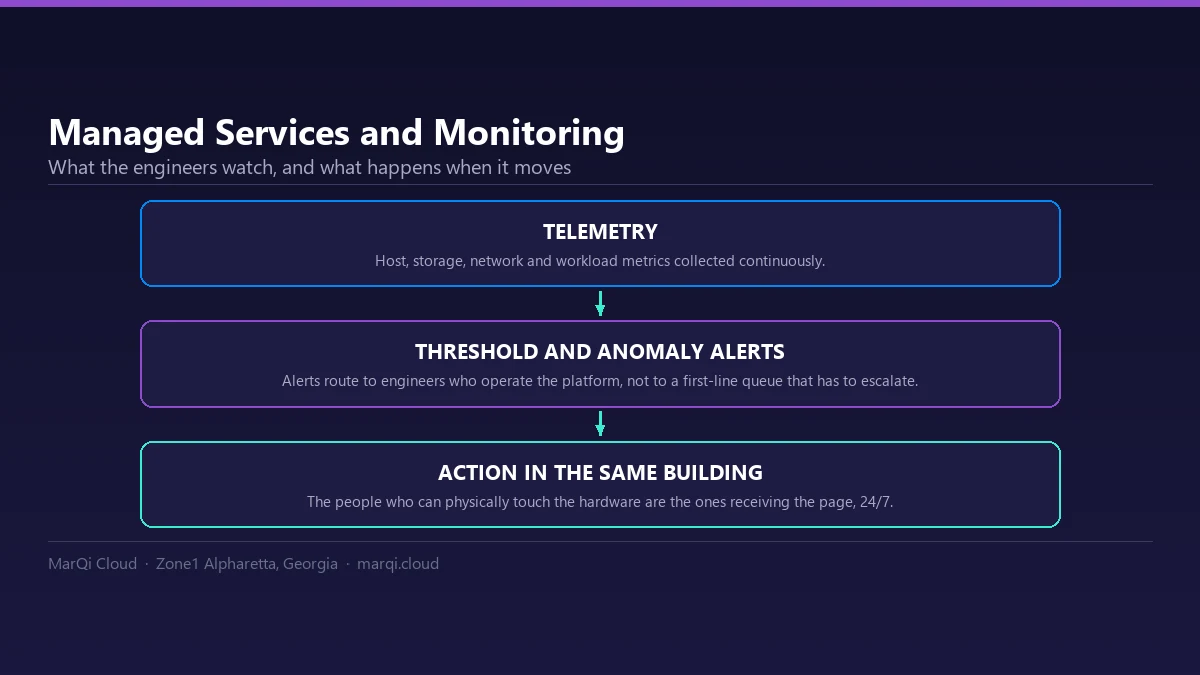
A managed cloud services architecture is an operating model in which a provider’s engineers run defined parts of your infrastructure (monitoring, patching, backups and incident response) while you keep control of your applications. As your organization grows, so too does the demand for robust and scalable infrastructure. This is where managed cloud services come into play, providing a flexible and efficient way to scale your infrastructure seamlessly. In this article, we will explore how managed cloud services can help your business scale effectively, ensuring optimal performance and security while minimizing costs. Whether you’re a mid-size organization or a large enterprise, understanding the benefits of managed cloud services is crucial for sustainable growth.
Understanding Managed Cloud Services
Managed cloud services refer to the outsourcing of cloud infrastructure management to a third-party provider. This allows businesses to focus on their core operations while leaving the complexities of cloud management to experts. Managed cloud services include a variety of offerings such as cloud migration, infrastructure monitoring, data backup and recovery, and security management. By leveraging these services, companies can achieve operational efficiency, enhanced security, and scalability, all of which are essential for growth.
Benefits of Managed Cloud Services for Growing Businesses
As businesses expand, their IT needs become more complex. Managed cloud services offer several key benefits that can significantly enhance operational capabilities:
- Cost Efficiency: Managed cloud services often operate on a pay-as-you-go model, allowing businesses to pay only for the resources they use. This flexibility helps manage costs more effectively as your organization scales.
- Expertise and Support: Managed cloud providers bring specialized knowledge and experience, ensuring that your infrastructure is optimized for performance and security. This expertise can be invaluable, especially for businesses lacking in-house IT resources.
- Scalability: As your business grows, managed cloud services allow you to scale your infrastructure up or down based on demand without significant upfront investments.
- Enhanced Security: Managed cloud providers typically offer advanced security measures, including data encryption, regular updates, and compliance with industry regulations, ensuring your data remains protected.
- Focus on Core Business: By outsourcing cloud management, your team can concentrate on strategic initiatives rather than day-to-day IT operations.
How Managed Cloud Services Scale Infrastructure
Scaling your infrastructure with managed cloud services involves several strategies and technologies:
1. Elastic Resources
Managed cloud services provide elastic resources that automatically adjust to meet changing demands. For instance, during peak business periods, additional compute power and storage can be provisioned without manual intervention. This elasticity is crucial for businesses experiencing fluctuating workloads.
2. Load Balancing
Load balancing distributes incoming traffic across multiple servers, ensuring no single server becomes overwhelmed. By utilizing load balancing, businesses can maintain high performance and availability, even during traffic spikes. This is especially important for e-commerce platforms and SaaS applications.
3. Automated Backups and Disaster Recovery
Data loss can be detrimental to any organization. Managed cloud services often include automated backup solutions and disaster recovery plans that ensure data integrity and availability. These features allow businesses to quickly recover from unexpected events without significant downtime.
4. Virtualization
Virtualization allows businesses to run multiple virtual machines on a single physical server, optimizing resource utilization. This technology reduces hardware costs and enhances scalability, making it easier to deploy new applications or services as needed.
5. Hybrid Cloud Solutions
Many organizations adopt a hybrid cloud approach, combining on-premise infrastructure with cloud resources. Managed cloud services facilitate this integration, enabling businesses to scale their infrastructure while maintaining control over sensitive data. For instance, MarQi Cloud offers hybrid cloud solutions that provide the flexibility and performance necessary for growing enterprises.
Key Features of Managed Cloud Services
To effectively scale your infrastructure, it’s essential to understand the key features offered by managed cloud services:
| Feature | Description |
|---|---|
| 24/7 Monitoring | Continuous monitoring of your infrastructure to ensure optimal performance and uptime. |
| Security Management | Comprehensive security measures, including firewalls, intrusion detection, and vulnerability assessments. |
| Compliance Support | Assistance with regulatory compliance requirements, such as HIPAA or GDPR. |
| Cost Management | Tools and analytics to help manage and optimize cloud spending. |
| Customizable Solutions | Tailored cloud solutions that meet the specific needs of your business. |
Choosing the Right Managed Cloud Provider
When selecting a managed cloud service provider, consider the following factors:
- Experience and Expertise: Look for a provider with a proven track record in managing cloud infrastructure for businesses similar to yours.
- Service Level Agreements (SLAs): Review SLAs to ensure they meet your uptime and support expectations.
- Security Measures: Ensure the provider has robust security protocols in place to protect your data.
- Scalability Options: Assess the provider’s ability to scale resources according to your business needs.
- Support Services: Evaluate the level of support offered, including availability and response times.
Real-World Examples of Scaling with Managed Cloud Services
Many organizations have successfully scaled their infrastructure using managed cloud services. Here are a few examples:
- Healthcare Providers: Hospitals and clinics leverage managed cloud services to store and process patient data securely, ensuring compliance with HIPAA regulations while enabling scalable access to electronic health records.
- E-Commerce Platforms: Retailers use managed cloud services to handle spikes in traffic during peak shopping seasons, ensuring a seamless shopping experience for customers without downtime.
- SaaS Companies: Software as a Service providers rely on managed cloud solutions to deliver high availability and performance, enabling them to scale their applications rapidly as user demand increases.
Frequently Asked Questions
What are managed cloud services?
Managed cloud services are outsourced cloud infrastructure management solutions that allow businesses to focus on core operations while experts handle the complexities of cloud management.
How do managed cloud services help businesses scale?
Managed cloud services provide elastic resources, load balancing, automated backups, and disaster recovery, enabling businesses to scale their infrastructure efficiently.
What are the benefits of using a managed cloud provider?
Benefits include cost efficiency, 24/7 support, expert knowledge, enhanced security, and the ability to focus on core business activities.
Can managed cloud services improve security?
Yes, managed cloud providers implement advanced security measures such as data encryption, firewalls, and compliance protocols to protect sensitive information.
How do I choose the right managed cloud provider?
Consider factors such as experience, SLAs, security measures, scalability options, and support services when choosing a provider.
What is the difference between public and private cloud services?
Public cloud services are shared resources available to multiple users, while private cloud services are dedicated to a single organization, offering enhanced security and control.
What industries benefit most from managed cloud services?
Industries such as healthcare, e-commerce, finance, and SaaS benefit significantly from managed cloud services due to their need for scalability, security, and compliance.
How can businesses ensure they remain compliant with regulations?
Partnering with a managed cloud provider that offers compliance support and adheres to industry regulations can help businesses maintain compliance.
Conclusion
As your business grows, managing and scaling your infrastructure can become increasingly complex. Managed cloud services offer a practical solution, enabling organizations to scale efficiently while focusing on their core competencies. By leveraging the expertise of managed cloud providers, businesses can achieve enhanced performance, security, and cost savings. If you’re ready to explore how managed cloud services can benefit your organization, contact MarQi Cloud today to learn more about our enterprise-grade solutions tailored to your needs.