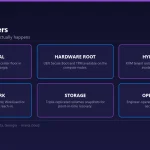
Building a Client-Isolated Environment for MSP: VLAN/VXLAN Segmentation
March 4, 2026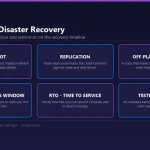
24/7 Monitoring: What ‘Real Support’ Should Include (and Red Flags)
March 5, 2026
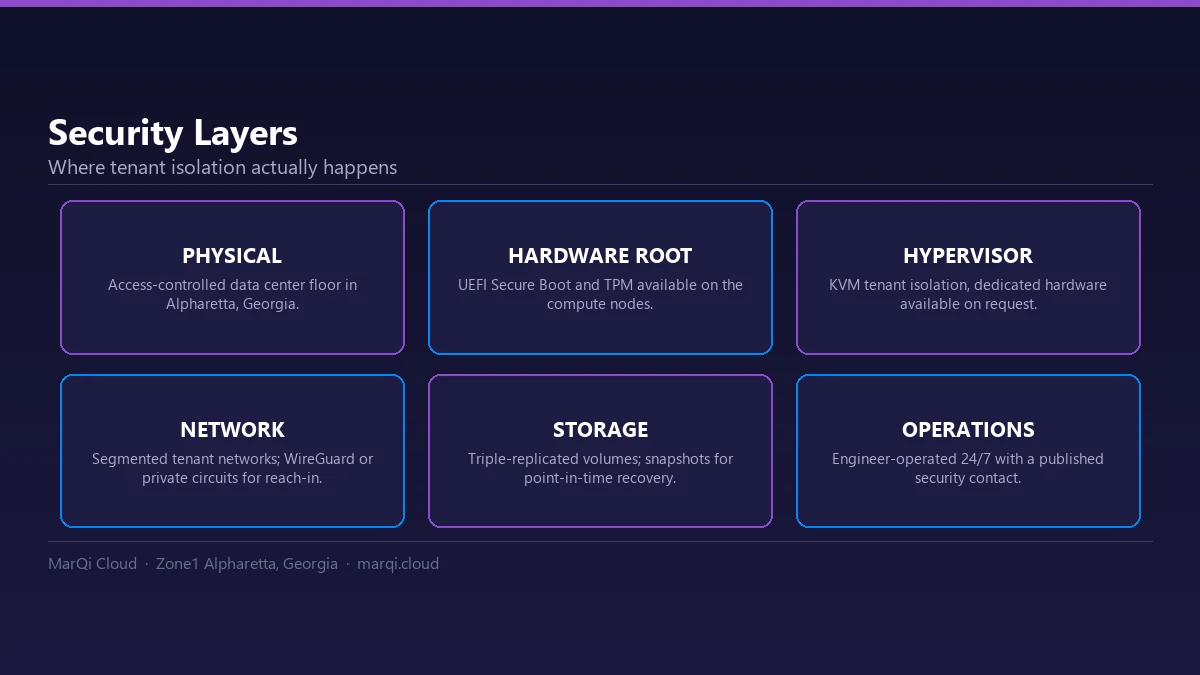
What should I look for in a managed cloud service provider?
Look for providers that offer robust security measures, excellent customer support, scalability, and flexible pricing models.
Managed Cloud Services vs Hiring In-House: A Comprehensive US Cost Comparison
As businesses continue to evolve in the digital age, the decision between utilizing managed cloud services or hiring in-house IT staff has become a pivotal consideration. Both options have their unique advantages and challenges, and understanding the cost implications is essential for any organization aiming for efficiency and growth. In this article, we will explore a detailed cost comparison between managed cloud services and in-house hiring, focusing specifically on the US market.
Understanding Managed Cloud Services
Managed cloud services involve outsourcing the management of cloud infrastructure and applications to a service provider like MarQi Cloud. This approach allows companies to leverage enterprise-grade cloud infrastructure, ensuring that their IT needs are met efficiently and securely.
Benefits of Managed Cloud Services
- Cost Efficiency: Managed cloud services often come with predictable pricing models, which help businesses budget more effectively.
- Scalability: Companies can scale their resources up or down based on current demands without the overhead of maintaining physical hardware.
- Expert Support: With managed services, organizations have access to a team of experts who ensure optimal performance and security.
- Focus on Core Business: Outsourcing IT management allows companies to focus on their core competencies rather than IT challenges.
The Case for In-House IT
Hiring in-house IT personnel involves bringing on staff who are dedicated to managing the company’s technology needs. While this approach can provide more control and customization, it also comes with its own set of costs and considerations.
Advantages of In-House IT
- Direct Control: In-house teams offer greater control over IT strategies and operations.
- Customization: Companies can tailor their IT solutions to fit specific needs more closely.
- Company Culture: In-house teams are often more aligned with the company’s culture and goals, which can enhance collaboration.
Cost Analysis: Managed Cloud Services vs In-House Hiring
When considering costs, it is vital to evaluate both direct and indirect expenses associated with each option.
1. Direct Costs
Managed Cloud Services:
- Monthly or annual subscription fees
- Potential additional costs for extra resources or services
- Minimal maintenance costs since the provider handles updates and security
In-House Hiring:
- Salary and benefits for IT staff (which can range from $60,000 to over $150,000 per year depending on experience)
- Training and development costs to keep staff updated on the latest technologies
- Costs associated with hiring (recruitment, onboarding, etc.)
- Infrastructure costs for servers, hardware, and software licenses
2. Indirect Costs
Managed Cloud Services:
- Potential downtime costs if the cloud service experiences issues
- Dependency on the service provider for critical IT functions
In-House Hiring:
- Overhead costs such as office space, utilities, and equipment
- Lost productivity during staff turnover or while training new employees
Long-Term Financial Implications
While the initial cost of managed cloud services might seem higher, it is essential to consider long-term financial implications. Managed services can lead to lower total cost of ownership (TCO) because they eliminate many ongoing costs associated with in-house IT management.
Factors Influencing Long-Term Costs
- Business Growth: As companies scale, the flexibility of managed services can reduce the need for continuous hiring.
- Technology Evolution: Cloud providers often offer the latest technology solutions, reducing the need for frequent upgrades.
- Regulatory Compliance: Managed services often include compliance features, which can save costs associated with legal issues.
Conclusion
Choosing between managed cloud services and hiring in-house IT staff is a significant decision that varies based on individual business needs, goals, and financial situations. While managed cloud services provide a cost-effective and scalable solution, in-house teams offer direct control and customization. Ultimately, organizations must consider both upfront and long-term costs to make an informed decision that best supports their operational objectives.
Frequently Asked Questions (FAQ)
1. What are managed cloud services?
Managed cloud services involve outsourcing the management of cloud infrastructure to a third-party provider, allowing businesses to focus on core operations without the burden of IT management.
2. What are the costs associated with managed cloud services?
Costs typically include monthly or annual subscription fees, potential additional costs for extra resources, and minimal maintenance costs since the provider manages updates and security.
3. How much does it cost to hire in-house IT staff?
In-house IT staff salaries can range from $60,000 to over $150,000 annually, along with additional costs for training, infrastructure, and benefits.
4. Can managed cloud services be scaled easily?
Yes, managed cloud services offer significant scalability, allowing businesses to adjust their resources based on current demands.
5. What are the risks of using managed cloud services?
Potential risks include dependency on the service provider, data security concerns, and potential downtime if the service experiences issues.
6. What are the advantages of an in-house IT team?
In-house IT teams provide direct control over IT operations, the ability to customize solutions, and better alignment with company culture.
7. How do I determine which option is best for my business?
Consider your company’s size, growth potential, budget, and specific IT needs to determine the best option for your organization.
8. Are there any hidden costs with in-house hiring?
Yes, hidden costs can include overhead expenses like office space, equipment, training, and lost productivity during staff turnover.
9. What should I look for in a managed cloud service provider?
Look for providers that offer robust security measures, excellent customer support, scalability, and flexible pricing models.
10. How can managed cloud services improve business continuity?
Managed cloud services often include disaster recovery solutions, ensuring that businesses can maintain operations and recover quickly from disruptions.