How MarQi Cloud Replaces an Entire DevOps Hire for Early-Stage Companies
April 11, 2026Why MarQi Cloud Makes More Sense Than Renting a Dedicated Server From a Datacenter
April 12, 2026
How does self-hosting compare in terms of costs?
Self-hosting generally incurs higher initial setup and ongoing costs compared to MarQi Cloud, which provides flexible pricing models to suit business needs.
MarQi Cloud vs. Self-Hosting: An Honest Breakdown of Costs, Time, and Headaches
In today’s digital landscape, businesses face critical decisions regarding their IT infrastructure. With options ranging from enterprise-grade cloud solutions like MarQi Cloud to traditional self-hosting, understanding the implications of each choice is essential. This article will provide an in-depth analysis of both MarQi Cloud and self-hosting, focusing on costs, time investment, and the potential headaches associated with each option.
Understanding the Basics
What is MarQi Cloud?
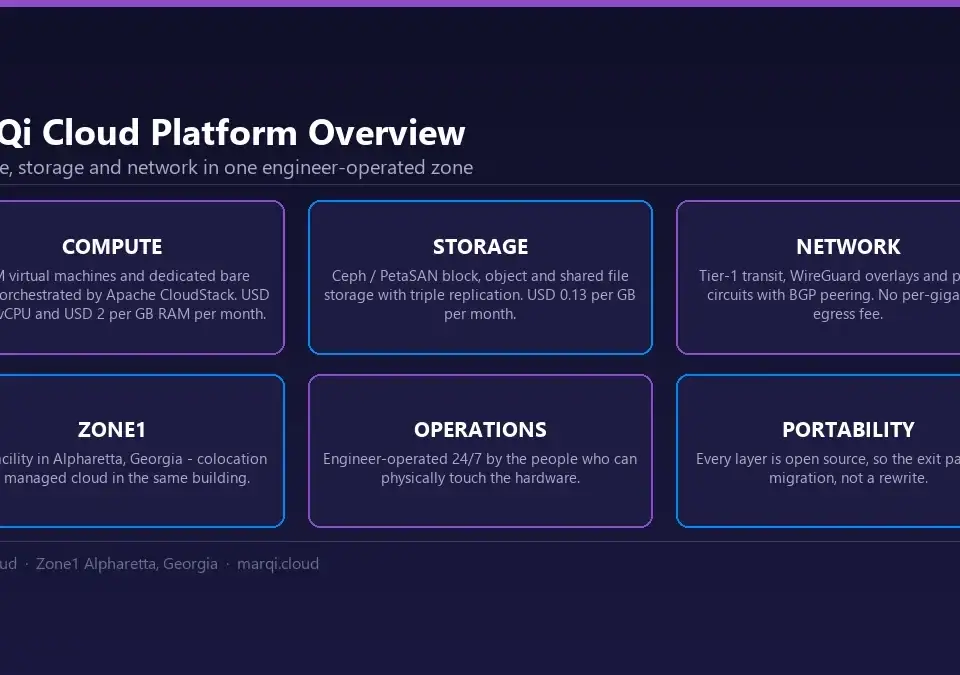
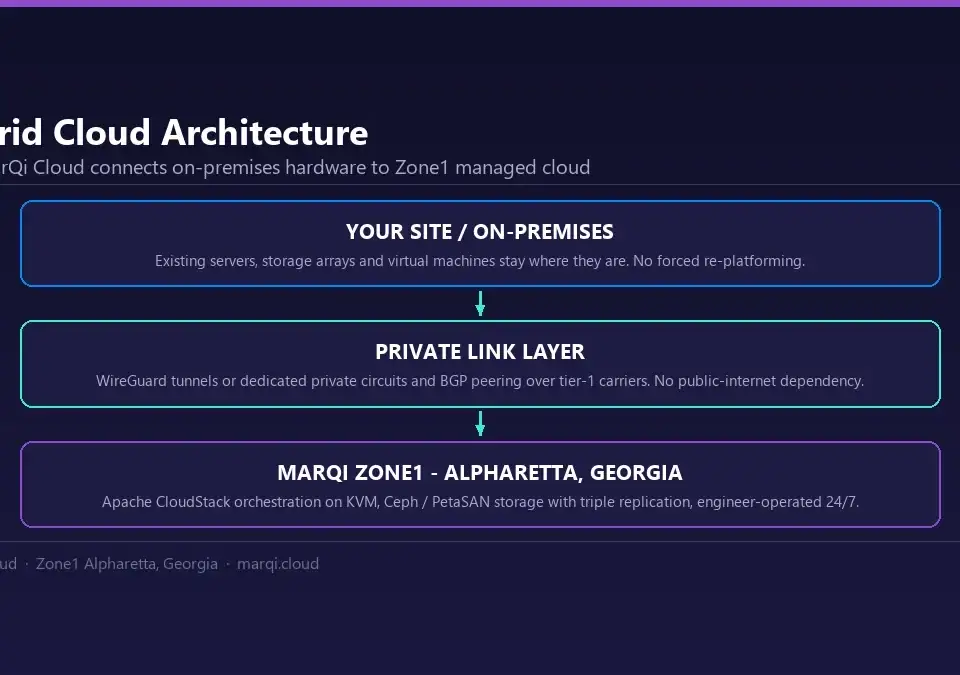
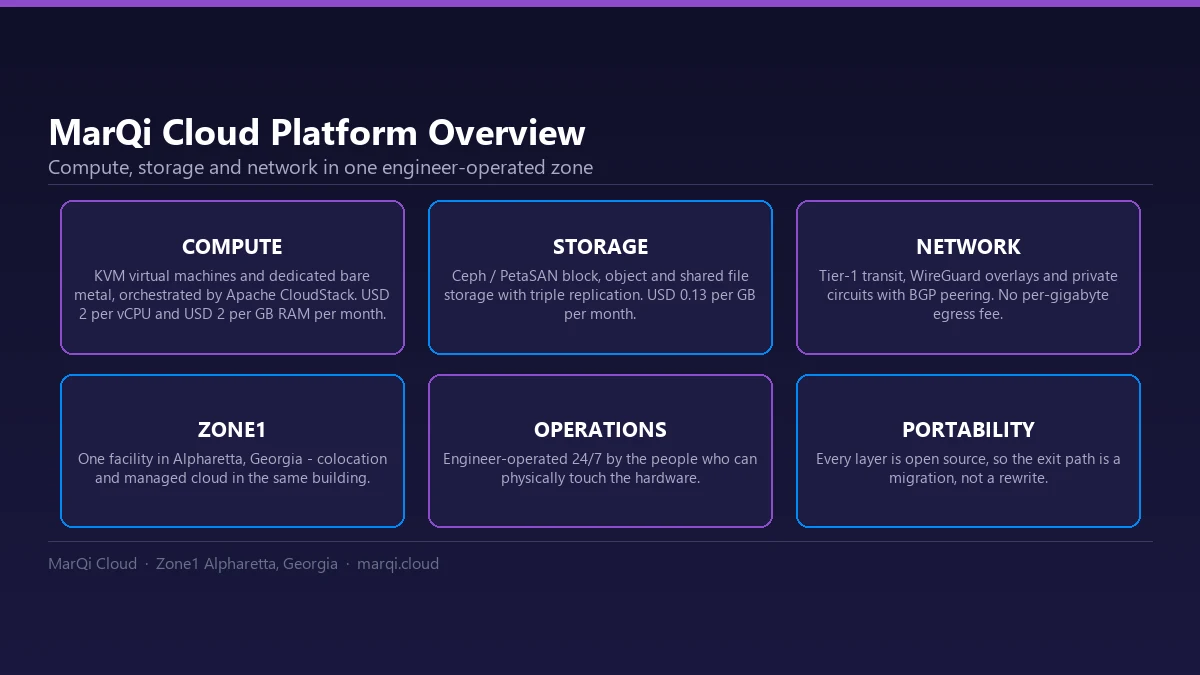
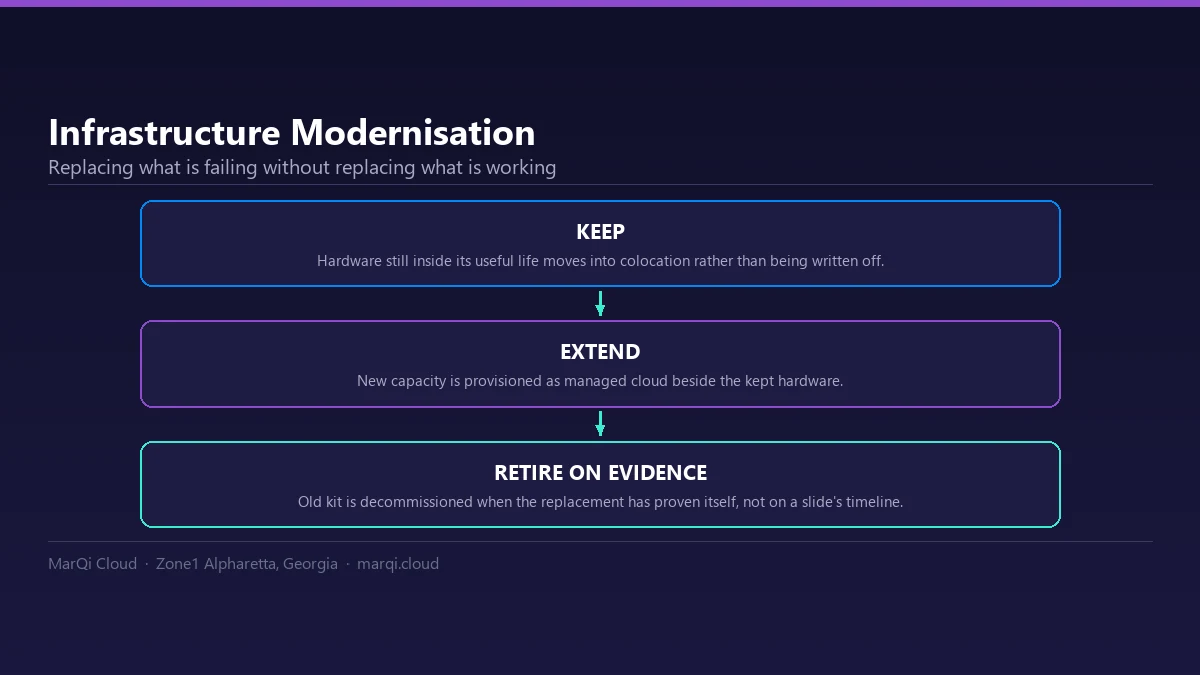
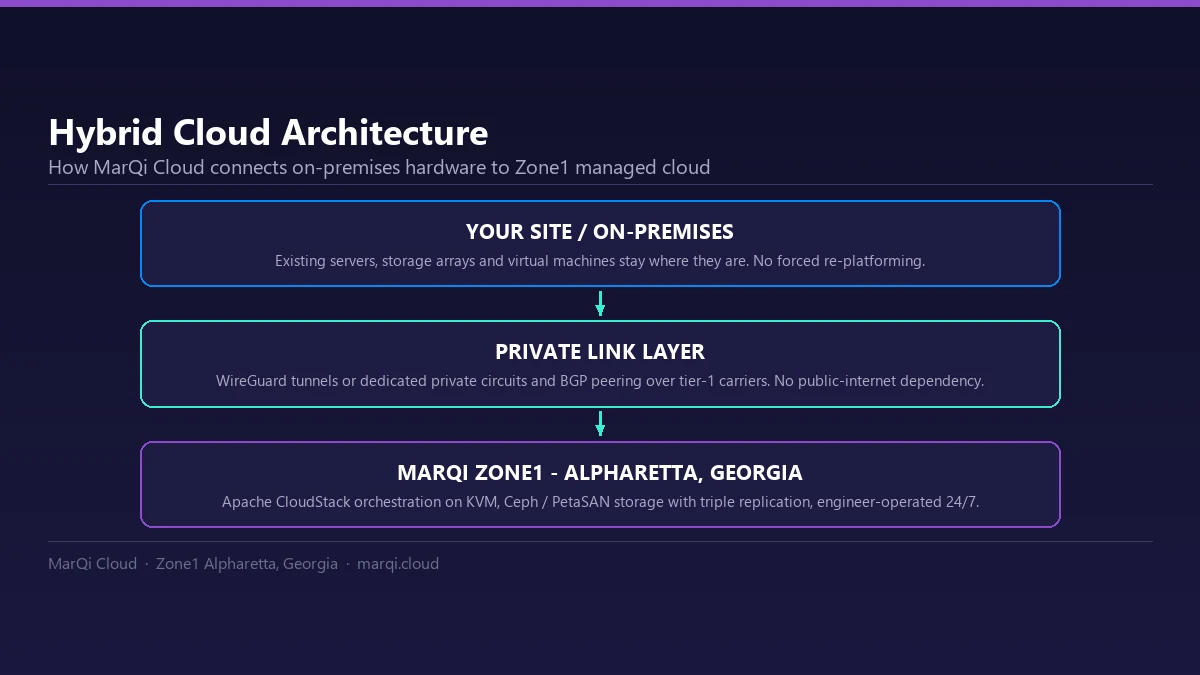
MarQi Cloud offers an enterprise-grade cloud infrastructure designed to meet the diverse needs of businesses. With features such as hybrid cloud deployment models, private hosting environments, and scalable resources, MarQi Cloud provides a robust solution for companies looking to enhance their IT capabilities.
What is Self-Hosting?
Self-hosting refers to the practice of managing your own servers and hosting your applications or websites on your hardware. This approach can provide greater control and customization but often comes with increased responsibilities and potential complications.
Cost Analysis
Initial Setup Costs
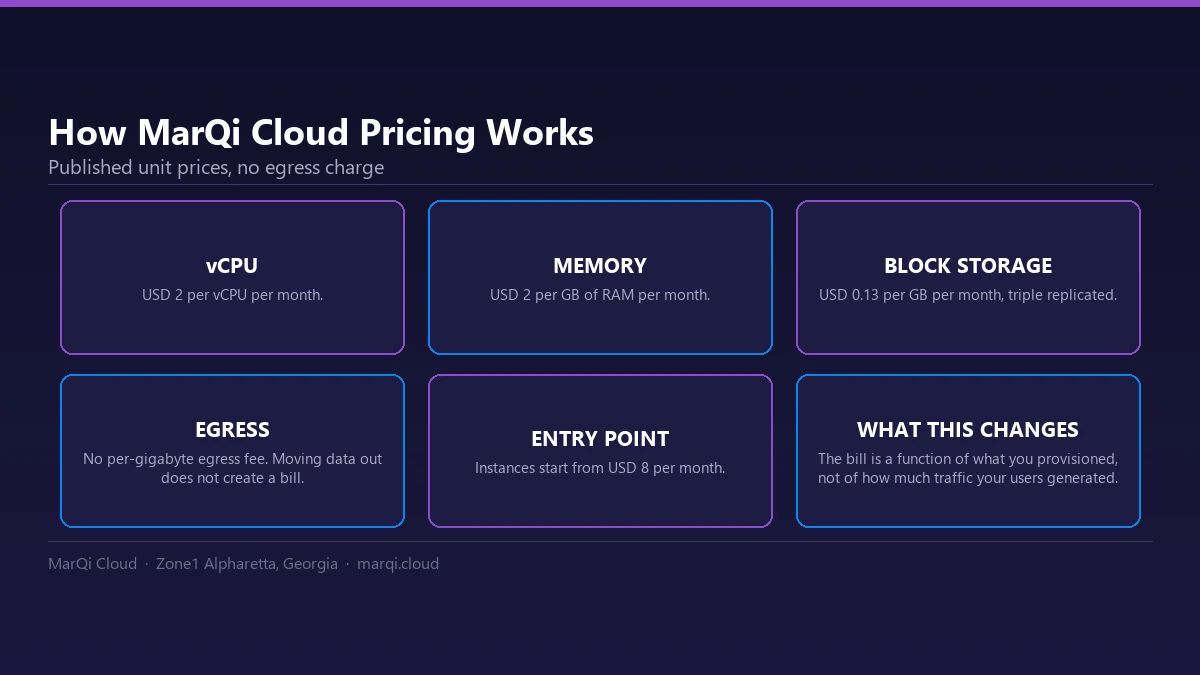
When considering MarQi Cloud versus self-hosting, the initial setup costs are a crucial factor. MarQi Cloud typically requires a subscription model, allowing businesses to pay for what they use without significant upfront investments. In contrast, self-hosting demands substantial initial expenditure on hardware, software licenses, and possibly even an IT team for setup.
Ongoing Costs
Ongoing costs vary significantly between the two options. MarQi Cloud provides flexible pricing models that can be tailored to business needs, making it easier to manage expenses as your company grows. Conversely, self-hosting incurs recurring costs such as electricity, internet connectivity, hardware maintenance, and security measures, which can add up quickly.
Hidden Costs
Self-hosting often comes with hidden costs that are not immediately apparent. These may include downtime, data loss risks, and the potential need for additional staff to manage the infrastructure. In contrast, MarQi Cloud minimizes these risks by offering built-in disaster recovery solutions and support, reducing the likelihood of unexpected expenses.
Time Investment
Deployment Time
Deploying a cloud solution like MarQi Cloud is typically faster than setting up a self-hosted environment. MarQi Cloud’s user-friendly interface and template-based deployments allow businesses to get up and running quickly. On the other hand, self-hosting requires extensive planning, hardware installation, and configuration, which can take weeks or even months.
Maintenance and Management
One of the most significant time investments with self-hosting is ongoing maintenance. Businesses must allocate resources for server updates, security patches, and hardware replacements. In contrast, MarQi Cloud handles much of this for you, allowing your team to focus on core business activities rather than IT issues.
Learning Curve
Self-hosting may require specialized knowledge and expertise, leading to a steeper learning curve for your team. With MarQi Cloud, the intuitive design and customer support mitigate this challenge, enabling users to adopt and integrate cloud services more effectively.
Headaches and Challenges
Security Risks
Security is a primary concern for any business considering self-hosting. Maintaining server security is an ongoing challenge that requires expertise and vigilance. MarQi Cloud, with its private and secure hosting environments, offers enhanced security protocols, reducing the risk of breaches and data loss.
Scalability
Self-hosting can limit scalability options due to physical hardware constraints. In contrast, MarQi Cloud provides scalable compute and storage resources, allowing businesses to expand as needed without significant infrastructure changes.
Business Continuity
Ensuring business continuity can be a headache for self-hosted environments, where data loss or server failure can cause significant disruptions. MarQi Cloud’s built-in business continuity and disaster recovery solutions help to ensure that your operations can continue even in the face of adversity.
Example Scenarios
The scenarios below are illustrative, not customer case studies.
Scenario 1: A Small Business
A small business self-hosting its web applications carries the full burden of hardware replacement and security patching. Moving to a managed cloud shifts that operational work to the provider, which is often the deciding factor when the team is small.
Scenario 2: A Growing Enterprise
An enterprise whose demand is growing faster than it can buy and rack servers would compare the lead time for adding physical capacity against the time needed to add cloud resources, alongside the long-run cost of each.
Conclusion
Choosing between MarQi Cloud and self-hosting requires careful consideration of various factors, including costs, time investment, and potential challenges. While self-hosting may offer greater control for some businesses, the benefits of MarQi Cloud’s enterprise-grade infrastructure, security, and support often outweigh the advantages of managing your own servers. Ultimately, the decision should align with your business goals and resources.
FAQ
1. What are the key benefits of using MarQi Cloud?
MarQi Cloud offers enterprise-grade infrastructure, hybrid deployment options, private hosting, scalable resources, and robust support, making it a comprehensive solution for businesses.
2. How does self-hosting compare in terms of costs?
Self-hosting generally incurs higher initial setup and ongoing costs compared to MarQi Cloud, which provides flexible pricing models to suit business needs.
3. Is MarQi Cloud secure?
Yes, MarQi Cloud offers secure hosting environments with enhanced security protocols to protect your data from breaches and cyber threats.
4. Can I scale my resources easily with MarQi Cloud?
Yes. MarQi Cloud provides scalable compute and storage resources to accommodate your business’s growing demands.
5. How long does it take to set up MarQi Cloud?
Setting up MarQi Cloud is typically quick, allowing businesses to deploy their applications and services within a short timeframe.
6. What support does MarQi Cloud offer?
MarQi Cloud offers US-based infrastructure and support to assist businesses in managing their cloud services effectively.
7. What are the risks of self-hosting?
Self-hosting carries risks such as hardware failures, security vulnerabilities, and the need for ongoing maintenance, which can lead to potential downtime and data loss.
8. How does MarQi Cloud handle business continuity?
MarQi Cloud includes built-in business continuity and disaster recovery solutions to ensure operations can continue seamlessly in case of disruptions.
9. Are there any hidden costs with MarQi Cloud?
MarQi Cloud is designed to provide transparent pricing, minimizing the likelihood of hidden costs associated with management and maintenance.
10. Which option is better for a startup?
For startups, MarQi Cloud is often the better option due to its lower initial investment, scalability, and reduced management overhead.