The Complete Guide to Cloud Infrastructure Performance SLAs
August 21, 2026
Why Choosing the Right Cloud Instance Type is Crucial for Performance
August 21, 2026

Mastering Object Storage Performance Tuning for Unstructured Data
In the era of big data, organizations are increasingly reliant on effective storage solutions to manage large-scale unstructured data. One of the most efficient ways to handle this data is through object storage, which offers scalability and flexibility. However, to truly harness the power of object storage, performance tuning is essential. In this article, we will explore how object storage performance tuning can optimize the handling of large-scale unstructured data, ensuring that your enterprise cloud infrastructure operates at peak efficiency. Readers will gain insights into the mechanisms of performance tuning, best practices, and expert tips specific to the solutions offered by MarQi Cloud.
Understanding Object Storage
Object storage is a data storage architecture that manages data as objects, as opposed to traditional file systems that manage data as files and folders. Each object contains the data itself, metadata, and a unique identifier, making it ideal for storing unstructured data such as multimedia files, backups, and large datasets. The inherent design of object storage allows for massive scalability, which is crucial for modern enterprises that deal with vast amounts of data.
The public cloud services market has grown quickly in recent years, which further emphasizes the need for efficient data management solutions. As organizations transition to cloud-native architectures, the role of object storage in their IT infrastructure becomes increasingly significant.
The Importance of Performance Tuning
Performance tuning in object storage is critical for several reasons:
- Efficiency: Well-tuned systems can handle larger volumes of data with less resource consumption.
- Cost-Effectiveness: Optimizing performance can lead to reduced operational costs, particularly in cloud environments where resource usage directly impacts billing.
- Scalability: Proper tuning facilitates the seamless scaling of storage solutions as data needs grow.
- Reliability: Performance tuning enhances the reliability of data access, ensuring that organizations can retrieve their data when needed.
For enterprises operating in sectors such as healthcare, finance, and e-commerce, the ability to manage unstructured data efficiently can result in significant competitive advantages. MarQi Cloud’s solutions, such as private cloud hosting and hybrid cloud solutions, are designed to provide high-performance object storage that can be finely tuned to meet specific business needs.
Best Practices for Performance Tuning
To optimize object storage performance, consider the following best practices:
1. Analyze Workloads
Understanding the types of workloads that the object storage system will handle is crucial. Different workloads may require different tuning approaches. For instance, read-heavy workloads may benefit from caching mechanisms, while write-heavy workloads may require optimized data distribution strategies.
2. Optimize Metadata
Efficient metadata management can significantly enhance performance. Ensure that metadata is indexed properly and that retrieval mechanisms are optimized to reduce latency.
3. Implement Proper Data Distribution
Distributing data across multiple nodes can help prevent bottlenecks. Techniques such as sharding and replication can improve data access speeds and reliability.
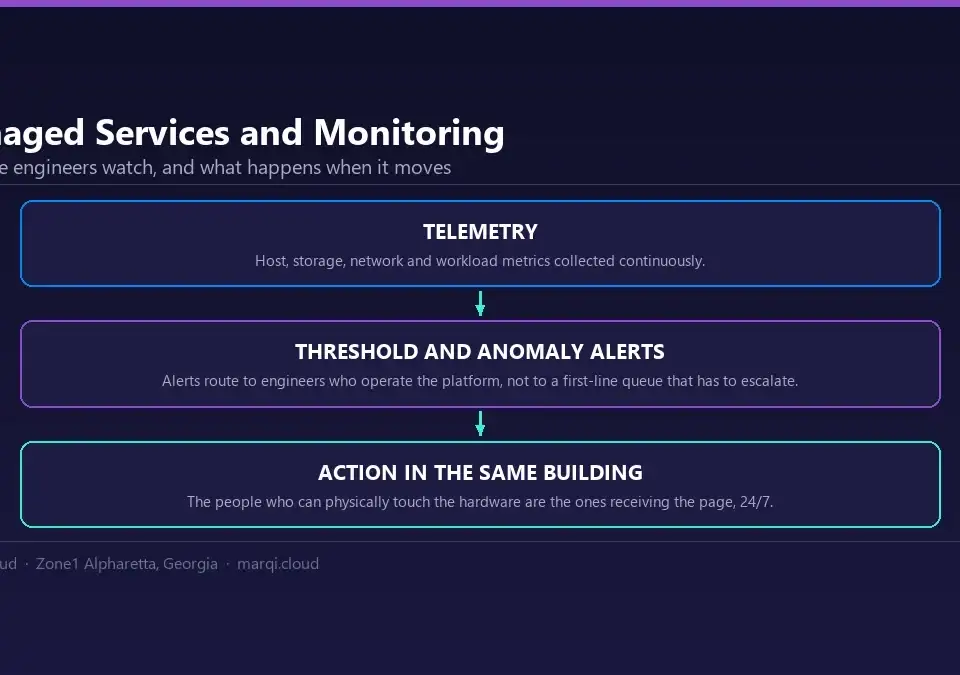
4. Monitor Performance Regularly
Utilize monitoring tools to keep track of performance metrics. Regular monitoring allows for quick identification of performance degradation and the implementation of corrective measures.
Tuning for Large-Scale Unstructured Data
When dealing with large-scale unstructured data, specific tuning strategies should be employed:
1. Utilize Object Lifecycle Management
Implementing lifecycle policies can help manage data efficiently. For example, moving infrequently accessed data to lower-cost storage can free up resources for more active data.
2. Leverage Data Compression
Data compression techniques can reduce the amount of storage space required and improve access speeds. Evaluate the trade-offs between compression ratios and processing time to find the optimal balance.
3. Use Content Delivery Networks (CDNs)
For organizations that serve content globally, integrating CDNs can reduce latency and improve user experience. CDNs cache frequently accessed data closer to end-users, minimizing the time it takes to deliver content.
4. Implement Tiered Storage Solutions
Employing tiered storage allows organizations to allocate resources based on data access patterns. Frequently accessed data can be kept on high-performance storage, while less accessed data can be moved to slower, more cost-effective solutions.
| Storage Type | Performance | Cost | Use Case |
|---|---|---|---|
| High-Performance SSD | Very High | High | Active data, databases |
| Standard HDD | Medium | Low | Archive data, backups |
| Cloud Object Storage | Variable | Medium | Unstructured data, multimedia |
Example Scenarios
The scenarios below are illustrative examples of how organizations typically apply these practices; they do not describe specific MarQi Cloud customers or measured results.
Example Scenario 1: Healthcare Provider
A large healthcare provider implemented object storage to manage patient records and imaging data. By optimizing their metadata indexing and employing tiered storage solutions, they reduced access times, significantly improving patient care and operational efficiency.
Example Scenario 2: E-commerce Platform
An e-commerce platform utilized object storage to handle product images and customer data. By leveraging CDNs and implementing lifecycle management policies, they reduced their storage costs while improving site performance during peak shopping seasons.
Expert Tips for Optimization
Additionally, consider engaging with cloud infrastructure experts, such as those at MarQi Cloud, to gain tailored advice and support for optimizing your object storage environment. Their experience in hybrid cloud deployments can provide unique insights into enhancing your data management strategies.
Conclusion
In conclusion, mastering object storage performance tuning is essential for effectively managing large-scale unstructured data. By understanding the principles of object storage, implementing best practices, and adapting to specific business needs, organizations can optimize their data management strategies. With MarQi Cloud’s enterprise-grade solutions, businesses can confidently handle their unstructured data while ensuring performance, security, and scalability.
For more information about how MarQi Cloud can support your object storage needs, contact us at info@marqi.cloud or call +1 770-369-9321.
FAQs
1. What is object storage?
Object storage is a data storage architecture that stores data as objects instead of files or blocks, making it ideal for unstructured data management.
2. Why is performance tuning important for object storage?
Performance tuning enhances the efficiency, cost-effectiveness, scalability, and reliability of object storage solutions.
3. How can I optimize metadata for object storage?
Optimizing metadata involves proper indexing and retrieval strategies to reduce latency and improve access speeds.
4. What is tiered storage?
Tiered storage is a strategy that allocates data to different types of storage based on access patterns, optimizing performance and cost.
5. How does data compression affect object storage performance?
Data compression reduces storage space and can improve access speeds, but it requires a balance between compression ratios and processing time.
6. What role do CDNs play in object storage?
Content Delivery Networks (CDNs) cache frequently accessed data closer to users, reducing latency and improving performance.
7. How can I monitor object storage performance?
Utilize monitoring tools to track performance metrics and identify areas for improvement in your object storage system.
8. What are some common use cases for object storage?
Common use cases include storing multimedia files, backups, and large datasets, particularly in industries like healthcare and e-commerce.