Private Circuits in the US: MPLS, DIA, and Dedicated Fiber—What to Choose
March 2, 2026
Zero Trust for Hybrid Cloud: A Simple US Enterprise Framework
March 3, 2026
Peering vs VPN: How US Enterprises Should Connect to Cloud
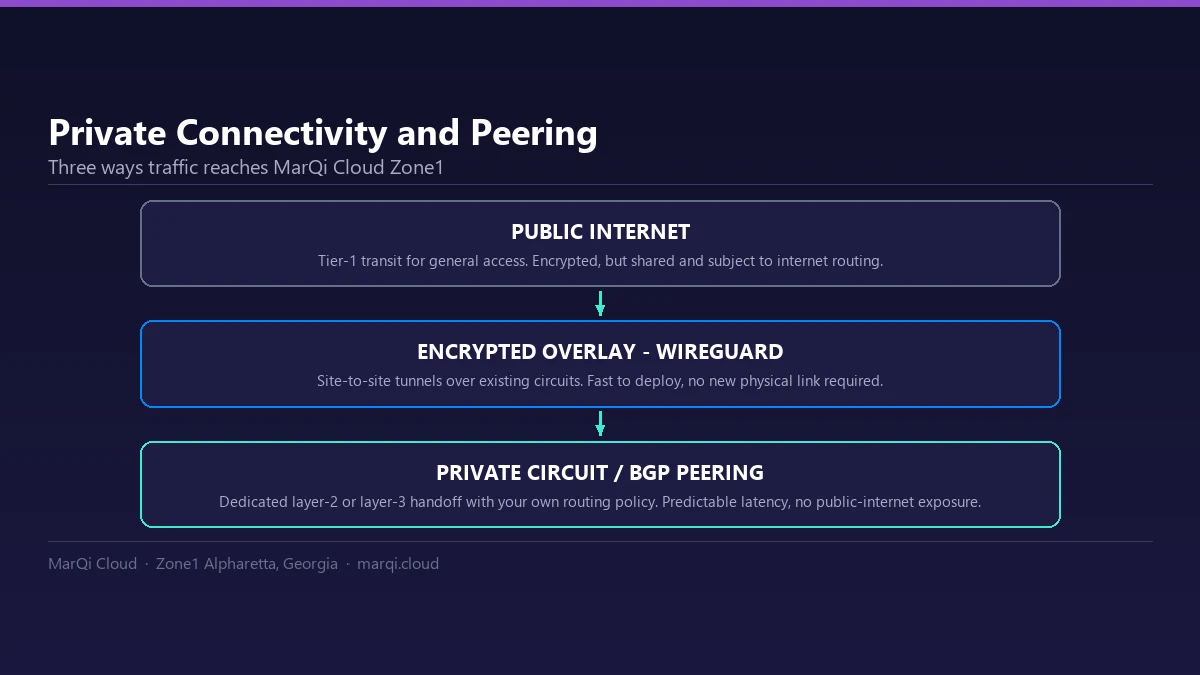
In the digital age, businesses are increasingly reliant on cloud services to enhance their operational efficiency and scalability. As organizations migrate their infrastructure to the cloud, they face critical decisions regarding connectivity. Two popular methods for connecting to cloud services are peering and Virtual Private Networks (VPNs). Understanding the differences between these two options is crucial for US enterprises looking to optimize their cloud connectivity. This article will explore the nuances of peering and VPNs, their advantages and disadvantages, and how US enterprises can determine the best approach for their cloud connectivity needs.
Understanding Peering
Peering refers to a direct connection between two networks that allows them to exchange traffic without going through a third-party network. This method is particularly common in Internet service provider (ISP) networks, where ISPs connect directly to one another to improve performance and reduce latency.
Types of Peering
There are two primary types of peering:
- Public Peering: Involves connecting to a shared network exchange point, allowing multiple networks to interconnect. This method is widely used in Internet exchanges.
- Private Peering: Involves a direct private connection between two networks, typically established at a data center. This method is more secure and often used for enterprise applications.
Advantages of Peering
- Improved Performance: Peering eliminates the need for traffic to traverse the public Internet, which can significantly reduce latency and improve data transfer speeds.
- Enhanced Security: Direct connections minimize exposure to potential security threats prevalent on the public Internet.
- Cost Efficiency: Peering can reduce bandwidth costs by allowing organizations to bypass commercial transit providers.
Disadvantages of Peering
- Complex Setup: Establishing a peering connection can be complex and may require significant technical expertise.
- Limited Flexibility: Once established, changing or scaling a peering connection can be challenging compared to other options.
Understanding VPNs
A Virtual Private Network (VPN) is a technology that creates a secure, encrypted connection over the Internet between a user and a remote server. VPNs are commonly used by businesses to allow employees to securely access internal resources while working remotely.
How VPNs Work
VPNs work by encapsulating data packets in a secure tunnel. This encryption ensures that sensitive information remains confidential and protected from unauthorized access.
Advantages of VPNs
- Ease of Use: VPNs can be easily set up and managed, making them a popular choice for businesses of all sizes.
- Flexibility: VPNs allow for connectivity from various locations, accommodating remote work and business travel.
- Enhanced Security: The encryption used in VPNs protects data from interception and eavesdropping.
Disadvantages of VPNs
- Performance Issues: VPNs can introduce latency, especially if the connection is not optimized or if bandwidth is limited.
- Dependency on Internet Speed: The performance of a VPN is directly tied to the quality of the underlying Internet connection.
Comparing Peering and VPNs
Performance
When it comes to performance, peering often has the upper hand. By establishing a direct connection, enterprises can significantly reduce latency and improve data transfer speeds. In contrast, VPNs can experience slowdowns, particularly with high traffic volumes or poor Internet connections.
Security
Both peering and VPNs offer enhanced security compared to traditional Internet connections. However, peering’s private connections provide a more secure environment against external threats. VPNs, while encrypted, are still vulnerable to potential breaches if not properly configured.
Cost
Cost is a significant factor for many organizations. Peering can offer long-term cost savings by reducing bandwidth expenses, especially for high-volume data transfers. On the other hand, VPNs typically have lower initial setup costs, making them an attractive option for smaller enterprises or those just starting with cloud connectivity.
Choosing the Right Option for Your Enterprise
The decision between peering and VPNs ultimately depends on the specific needs and circumstances of each enterprise. Here are some factors to consider:
1. Size of the Organization
Larger enterprises with significant data transfer needs may benefit more from peering, while smaller organizations may find VPNs sufficient for their requirements.
2. Security Requirements
Organizations with stringent security requirements or those handling sensitive data may prefer peering due to its enhanced security features.
3. Budget Considerations
Enterprises should evaluate their budget and consider the long-term costs associated with both options. While peering may require a more substantial initial investment, the potential for cost savings over time is significant.
4. Technical Expertise
Peering may require specialized technical knowledge to set up and maintain, so organizations must assess their internal capabilities before making a decision.
Conclusion
As US enterprises continue to embrace cloud technology, understanding the best connectivity options is essential for optimizing performance, security, and cost. Peering and VPNs each offer distinct advantages and disadvantages, and the right choice will depend on the specific needs and circumstances of the organization. By carefully evaluating their requirements and the potential benefits of each option, enterprises can make informed decisions that will enhance their cloud connectivity and overall business operations.
FAQ
1. What is peering in networking?
Peering is a direct connection between two networks that allows them to exchange traffic without going through a third-party network.
2. How does a VPN work?
A VPN creates a secure, encrypted connection over the Internet between a user and a remote server, allowing for secure data transmission.
3. What are the advantages of peering over VPN?
Peering typically offers better performance, enhanced security, and long-term cost savings compared to VPNs.
4. Can small businesses benefit from peering?
While peering can be advantageous for large enterprises, small businesses can also benefit if they have significant data transfer needs.
5. Are VPNs secure?
Yes, VPNs use encryption to protect data; however, they are still vulnerable to potential breaches if not properly configured.
6. Which option is more cost-effective: peering or VPN?
Peering can offer long-term cost savings for high-volume data transfers, while VPNs typically have lower initial setup costs.
7. What factors should I consider when choosing between peering and VPN?
Consider the size of your organization, security requirements, budget, and technical expertise when making your decision.
8. Can I use both peering and VPN?
Yes, some organizations may benefit from using both options based on their specific connectivity needs and scenarios.