Why Cloud Security Training for Development Teams Reduces Human-Caused Vulnerabilities
August 12, 2026
How Immutable Infrastructure Reduces the Attack Surface of Cloud Deployments
August 12, 2026
What does regulatory compliance in cloud computing actually require?
It requires proving three things about the same workload: who can reach the data, what was done to it, and where it physically lives. SOC 2, HIPAA and PCI each ask that in their own vocabulary, but the underlying controls - access, encryption, logging and evidence you can produce on demand - are shared.
The Complete Guide to Regulatory Compliance in Cloud Environments: SOC 2, HIPAA, PCI
As organizations increasingly migrate to cloud environments, understanding regulatory compliance becomes paramount. Compliance with standards such as SOC 2, HIPAA, and PCI not only protects sensitive data but also builds trust with customers and partners. In this comprehensive guide, we will delve into these regulations, their significance, and how you can ensure compliance within your cloud infrastructure. By the end of this article, you will be equipped with the knowledge to navigate the complexities of regulatory frameworks and implement best practices for compliance in your cloud operations.
Understanding Regulatory Compliance in Cloud Computing
Regulatory compliance refers to the adherence to laws, regulations, guidelines, and specifications relevant to your business processes. In the realm of cloud computing, compliance is particularly critical due to the nature of data being stored and processed. Organizations must ensure their cloud services meet various compliance requirements to avoid legal repercussions and maintain customer trust.
With the rise of data breaches and privacy concerns, regulatory bodies have established frameworks to protect sensitive information. Compliance with standards like SOC 2, HIPAA, and PCI is essential for organizations in sectors such as healthcare, finance, and technology. These standards not only provide guidelines for data security but also enhance operational efficiency and risk management.
What is SOC 2 Compliance?
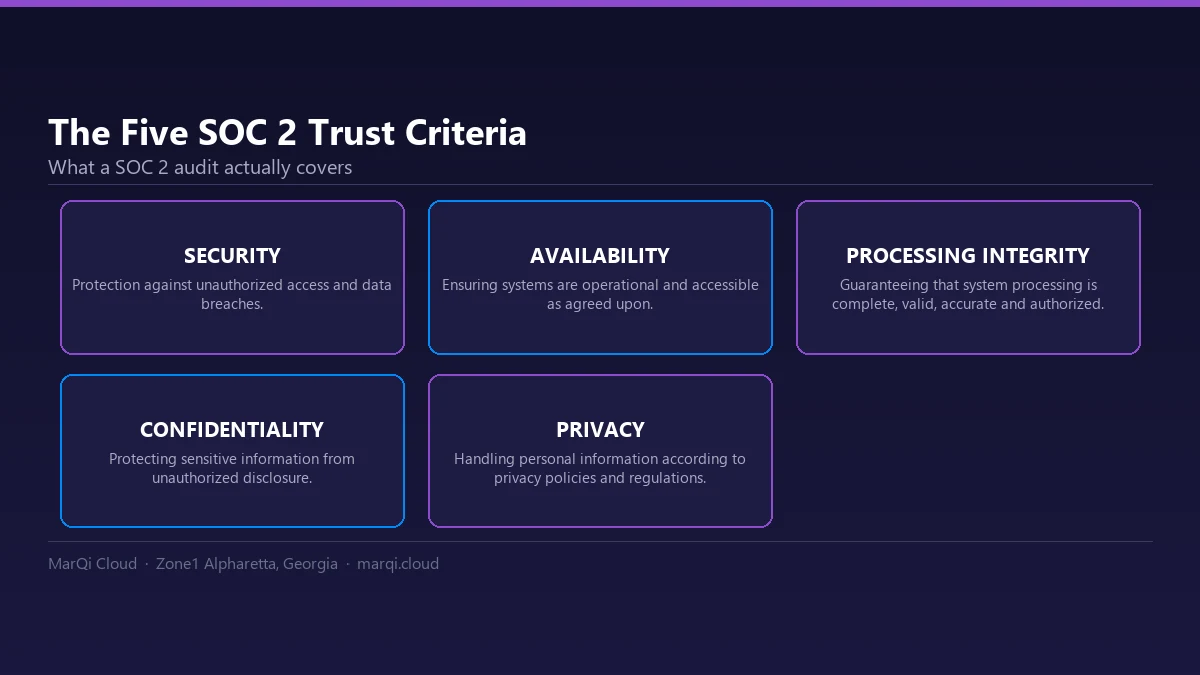
SOC 2 (System and Organization Controls 2) is an auditing procedure developed by the American Institute of Certified Public Accountants (AICPA) to ensure service providers manage customer data based on five trust service criteria: security, availability, processing integrity, confidentiality, and privacy.
Organizations that achieve SOC 2 compliance demonstrate their commitment to data security and privacy, which is crucial for building trust with clients and stakeholders. The SOC 2 report is often a requirement for businesses seeking partnerships with enterprises that prioritize data protection.
Key Elements of SOC 2 Compliance
- Security: Protection against unauthorized access and data breaches.
- Availability: Ensuring systems are operational and accessible as agreed upon.
- Processing Integrity: Guaranteeing that system processing is complete, valid, accurate, and authorized.
- Confidentiality: Protecting sensitive information from unauthorized disclosure.
- Privacy: Handling personal information according to privacy policies and regulations.
Achieving SOC 2 Compliance
To achieve SOC 2 compliance, organizations must undergo a thorough audit conducted by an independent CPA. The audit assesses the organization’s controls and procedures related to the five trust service criteria. Here are the steps to ensure compliance:
- Conduct a gap analysis to identify areas for improvement in your current processes.
- Implement necessary security controls and policies.
- Document all processes and controls to provide evidence during the audit.
- Engage an independent CPA to perform the SOC 2 audit.
- Address any findings and maintain ongoing compliance through regular reviews.
Exploring HIPAA Compliance
The Health Insurance Portability and Accountability Act (HIPAA) is a federal law that establishes standards for the protection of sensitive patient information. For organizations operating in the healthcare sector, ensuring HIPAA compliance is not just a legal obligation but also a commitment to patient privacy and data security.
HIPAA compliance involves implementing safeguards to protect electronic protected health information (ePHI) and ensuring that all employees are trained on privacy practices. Organizations must also sign Business Associate Agreements (BAAs) with any third-party vendors that handle ePHI.
Key Components of HIPAA Compliance
- Administrative Safeguards: Policies and procedures to manage the selection, development, implementation, and maintenance of security measures.
- Physical Safeguards: Measures to protect electronic systems and related buildings from unauthorized access.
- Technical Safeguards: Technology and policy procedures that control access to ePHI.
Steps to Achieve HIPAA Compliance
To ensure HIPAA compliance, follow these steps:
- Conduct a risk assessment to identify vulnerabilities in your systems.
- Implement appropriate administrative, physical, and technical safeguards.
- Train employees on HIPAA regulations and data protection practices.
- Establish a breach notification policy to address potential data breaches.
- Maintain documentation of compliance efforts and conduct regular audits.
Navigating PCI Compliance
The Payment Card Industry Data Security Standard (PCI DSS) is a set of security standards designed to ensure that companies that accept, process, store, or transmit credit card information maintain a secure environment. Compliance is mandatory for all organizations that handle credit card transactions.
PCI compliance is essential for protecting sensitive cardholder data and preventing fraud. Non-compliance can lead to hefty fines and reputational damage.
Key Requirements of PCI Compliance
| Requirement | Description |
|---|---|
| Build and Maintain a Secure Network | Implement firewalls and security measures to protect cardholder data. |
| Protect Cardholder Data | Encrypt transmission of cardholder data across open networks. |
| Maintain a Vulnerability Management Program | Use and regularly update anti-virus software. |
| Implement Strong Access Control Measures | Restrict access to cardholder data on a need-to-know basis. |
| Regularly Monitor and Test Networks | Track and monitor all access to network resources and cardholder data. |
| Maintain an Information Security Policy | Develop and maintain a policy that addresses information security. |
Steps to Achieve PCI Compliance
Organizations can achieve PCI compliance by following these steps:
- Determine the level of PCI compliance required based on the volume of transactions.
- Conduct a self-assessment or hire a Qualified Security Assessor (QSA) for a comprehensive audit.
- Implement necessary security controls and measures.
- Complete and submit the Self-Assessment Questionnaire (SAQ) or Report on Compliance (ROC) as required.
- Maintain ongoing compliance through regular assessments and updates.
How to Achieve Compliance in Cloud Environments
Achieving regulatory compliance in cloud environments requires a strategic approach that considers the unique challenges of cloud computing. Here are some actionable tips to ensure compliance:
1. Understand Shared Responsibility Model
In cloud environments, compliance responsibilities are shared between the cloud service provider (CSP) and the customer. It is crucial to understand which aspects of compliance fall under the CSP’s purview and which are the customer’s responsibility.
2. Choose a Compliant Cloud Provider
Select a cloud provider that offers compliance certifications relevant to your industry. For instance, MarQi Cloud provides enterprise-grade cloud infrastructure with a focus on security and compliance. By choosing a compliant provider, you can leverage their security measures to enhance your own compliance efforts.
3. Implement Security Controls
Deploy security controls such as encryption, access management, and monitoring tools to protect sensitive data in the cloud. Regularly review and update these controls to adapt to evolving threats.
4. Conduct Regular Audits
Establish a schedule for regular audits to assess compliance with required regulations. This includes reviewing policies, procedures, and security controls to identify potential gaps.
5. Train Employees
Provide ongoing training to employees regarding compliance requirements and data protection practices. Ensure that all team members understand their roles in maintaining compliance.
Common Challenges in Compliance
While striving for compliance, organizations often face several challenges:
- Complexity of Regulations: Navigating multiple regulatory frameworks can be overwhelming, especially for organizations operating in various industries.
- Resource Constraints: Smaller organizations may lack the resources to implement comprehensive compliance programs.
- Rapid Technological Changes: The fast-paced nature of technology can make it challenging to stay compliant as new tools and services emerge.
- Data Breaches: Increasing cyber threats pose a risk to compliance efforts, as breaches can lead to non-compliance and legal repercussions.
Best Practices for Regulatory Compliance
To enhance your compliance efforts, consider the following best practices:
- Develop a Compliance Framework: Establish a structured framework that outlines compliance processes, responsibilities, and procedures.
- Utilize Compliance Management Tools: Leverage technology solutions that automate compliance tracking and reporting.
- Engage Legal Experts: Consult with legal professionals who specialize in regulatory compliance to ensure adherence to relevant laws.
- Stay Informed: Keep up-to-date with changes in regulations and industry standards to adapt your compliance strategies accordingly.
Conclusion
Regulatory compliance in cloud environments is a critical aspect of modern business operations. By understanding the requirements of SOC 2, HIPAA, and PCI, organizations can implement effective compliance strategies that protect sensitive data and build trust with customers. As you navigate the complexities of compliance, remember that partnering with a reliable cloud provider like MarQi Cloud can significantly enhance your compliance efforts. With enterprise-grade infrastructure and a focus on security, MarQi Cloud is well-equipped to support your compliance journey.
Frequently Asked Questions
1. What is the difference between SOC 2 and HIPAA compliance?
SOC 2 is focused on service organization controls for data security, while HIPAA specifically addresses the protection of healthcare information.
2. How often do I need to renew my SOC 2 compliance?
SOC 2 compliance typically requires annual audits to maintain certification.
3. What are the penalties for non-compliance with HIPAA?
Penalties can range from fines to criminal charges, depending on the severity of the violation.
4. Can cloud providers help with compliance?
Yes, many cloud providers offer tools and services designed to help organizations meet compliance requirements.
5. What is the importance of employee training in compliance?
Employee training ensures that staff members understand their roles in maintaining compliance and protecting sensitive data.
6. How can I assess my current compliance status?
Conduct a gap analysis to identify areas of non-compliance and develop a plan to address them.
7. What is the shared responsibility model in cloud compliance?
The shared responsibility model defines the division of compliance responsibilities between the cloud service provider and the customer.
8. How can I stay updated on compliance regulations?
Subscribe to industry newsletters, attend webinars, and follow regulatory bodies to stay informed about changes in compliance requirements.