How to Build a Secure VPC for Remote Teams: Implementing VPN and Segmentation
March 1, 2026
Disaster Recovery in the US: Designing RPO/RTO That Actually Works
March 1, 2026
The CFO’s Guide to Cloud Cost Control: Avoiding Surprise Invoices
In today’s digital landscape, cloud computing has become a cornerstone for businesses of all sizes. However, while the cloud offers numerous advantages, it also presents unique challenges, particularly in cost management. For Chief Financial Officers (CFOs), understanding and controlling cloud expenditures is crucial to maintaining financial health and avoiding unexpected invoices. This comprehensive guide will equip CFOs with the knowledge and strategies necessary for effective cloud cost control.
Understanding Cloud Cost Structure
Before diving into cost control strategies, it’s essential to understand how cloud pricing works. Cloud service providers (CSPs) typically use a pay-as-you-go model, where charges are based on usage. This can include:
1. Compute Resources
Charges related to virtual machines (VMs), server uptime, and processing power.
2. Storage Costs
Fees associated with data storage, backups, and retrieval.
3. Data Transfer Fees
Costs incurred for transferring data in and out of the cloud environment.
4. Additional Services
Expenses for add-ons such as databases, machine learning services, or advanced security features.
Common Causes of Unexpected Cloud Costs
To avoid surprise invoices, CFOs must be aware of the common factors that contribute to unexpected cloud expenses:
1. Overprovisioning Resources
Many organizations provision more resources than they need, leading to inflated costs.
2. Lack of Monitoring and Alerts
Without proper monitoring tools, businesses may not realize they are exceeding their budgets until it’s too late.
3. Inefficient Resource Management
Failing to terminate unused resources can result in unnecessary charges.
4. Data Transfer Costs
Moving large amounts of data can incur significant costs, especially if not managed properly.
Strategies for Effective Cloud Cost Control
Now that we’ve identified the potential pitfalls, here are several strategies CFOs can implement to control cloud costs:
1. Implement Cloud Cost Management Tools
Utilize cloud cost management and optimization tools that provide visibility into spending and resource usage. These tools can help identify underutilized resources and suggest optimizations.
2. Establish Budgeting and Forecasting
Set clear budgets for cloud expenses and regularly forecast future costs based on expected growth and usage patterns. This proactive approach allows for better financial planning.
3. Optimize Resource Allocation
Regularly review and optimize resource allocation to ensure you’re only using what you need. This includes rightsizing VMs and deleting unused resources.
4. Monitor Usage Regularly
Establish a routine for monitoring cloud usage and expenditures. Setting up alerts for when spending exceeds certain thresholds can help catch issues early.
5. Negotiate with Cloud Providers
Don’t hesitate to negotiate pricing with cloud providers. Many offer discounts for long-term commitments or bulk purchases.
6. Educate Your Team
Ensure that all team members understand the costs associated with the cloud. Training can help prevent overspending due to lack of knowledge.
7. Utilize Reserved Instances
For predictable workloads, consider using reserved instances that offer significant savings compared to on-demand pricing.
8. Leverage Hybrid Cloud Solutions
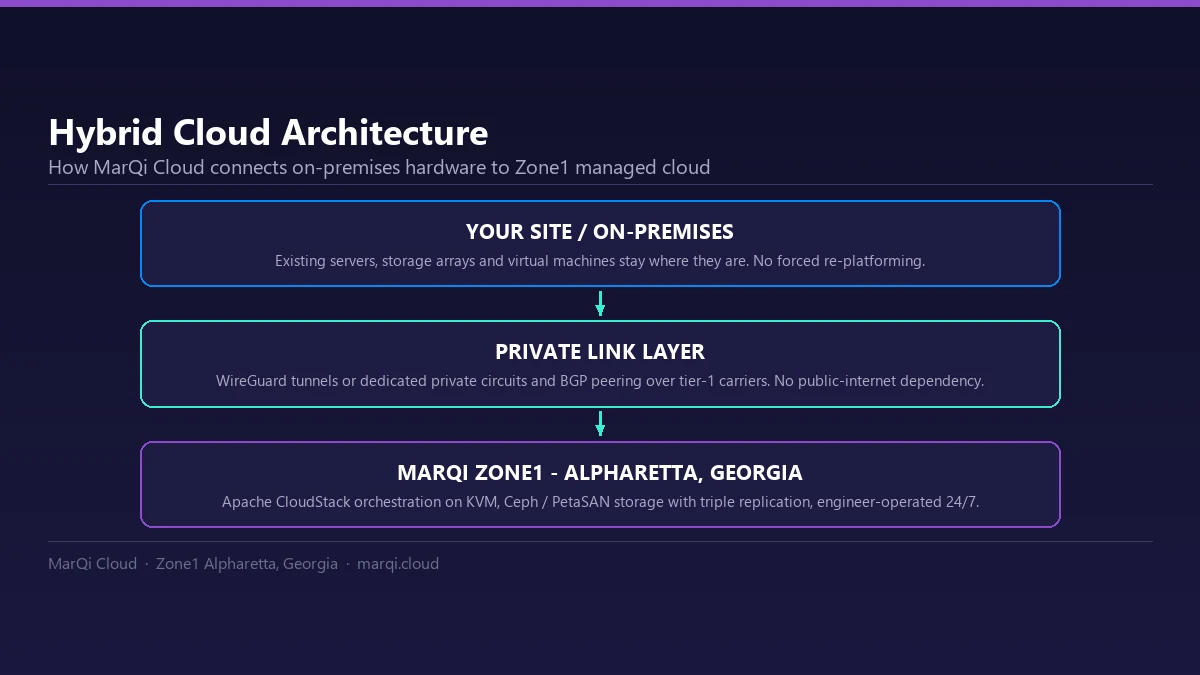
Hybrid cloud deployments can help manage costs by allowing organizations to keep critical workloads on-premises while utilizing the cloud for less sensitive tasks.
Case Studies: Successful Cloud Cost Management
Here are a couple of case studies that illustrate effective cloud cost control:
Case Study 1: Company A
Company A, a mid-sized technology firm, faced unexpected cloud costs due to overprovisioning. By implementing a cloud cost management tool, they identified unused resources and optimized their infrastructure, resulting in a 30% reduction in monthly cloud expenses.
Case Study 2: Company B
Company B, a large enterprise, struggled with data transfer costs. By optimizing their data transfer strategy and using a hybrid cloud model, they managed to reduce their data transfer costs by 40% while improving performance.
Conclusion
For CFOs, cloud cost control is not just about avoiding surprise invoices; it’s about creating a sustainable financial strategy that aligns with the organization’s growth goals. By understanding the cost structure, identifying potential pitfalls, and implementing effective strategies, CFOs can ensure their cloud investments deliver value without breaking the bank.
Frequently Asked Questions (FAQ)
1. What is the main reason for unexpected cloud costs?
The main reasons include overprovisioning resources, lack of monitoring, and inefficient resource management.
2. How can I monitor cloud costs effectively?
Utilize cloud cost management tools and establish regular monitoring routines.
3. What are reserved instances?
Reserved instances are cloud resources that can be purchased at a discount for a specified period, providing cost savings for predictable workloads.
4. How often should I review cloud expenses?
It’s advisable to review cloud expenses monthly and adjust your strategies accordingly.
5. Can I negotiate with cloud service providers?
Yes, many cloud providers are open to negotiations, particularly for long-term commitments.
6. What is a hybrid cloud model?
A hybrid cloud model combines on-premises infrastructure with cloud resources, allowing organizations to optimize costs and performance.
7. How can I educate my team about cloud costs?
Provide training sessions and resources to help your team understand the implications of cloud resource usage and costs.
8. What tools can help manage cloud costs?
There are many cloud cost management tools available, such as CloudHealth, CloudCheckr, and AWS Cost Explorer, which can help optimize expenses.