Why Private Cloud Does Not Mean Sacrificing Cloud-Native Features and Automation
July 30, 2026
How Private Cloud Enables Custom Security Policies for Regulated Data Environments
July 30, 2026
The Complete Guide to Private Cloud Networking and Microsegmentation
As organizations increasingly migrate their operations to the cloud, the importance of robust private cloud networking and microsegmentation cannot be overstated. These technologies not only enhance security but also improve operational efficiency and scalability. In this comprehensive guide, we will explore the ins and outs of private cloud networking, delve into the concept of microsegmentation, and provide actionable insights to help your organization implement these strategies effectively. By the end of this article, you will understand how to leverage private cloud networking and microsegmentation for a more secure and efficient IT infrastructure.
What is Private Cloud Networking?
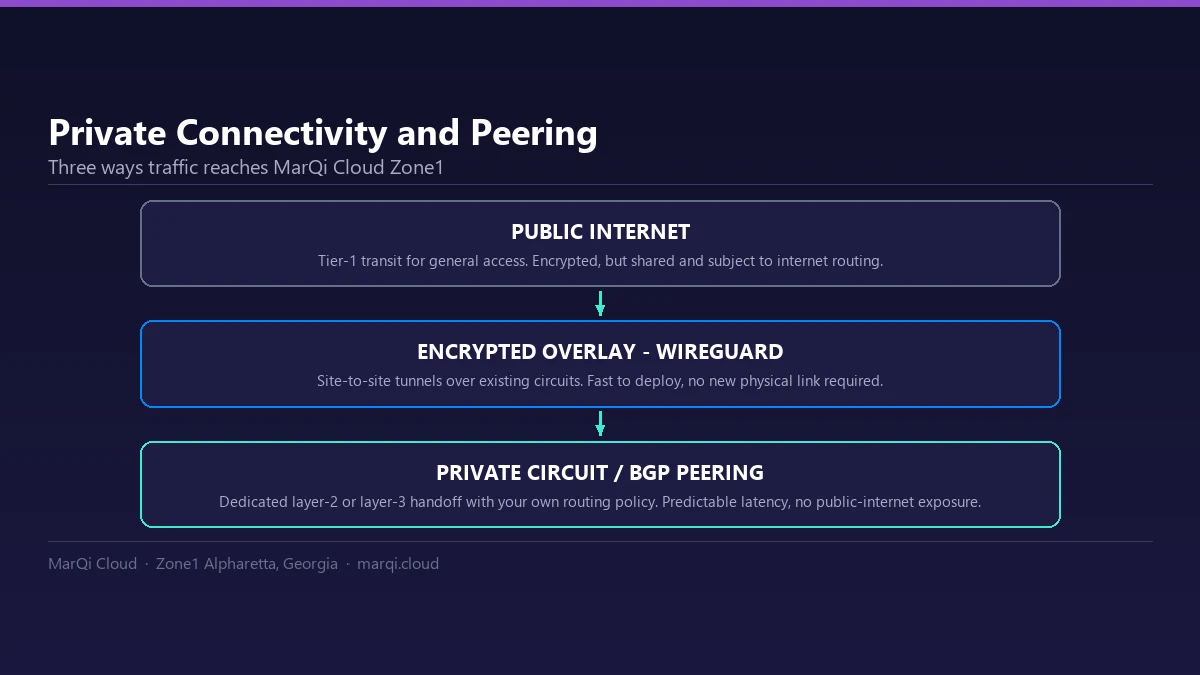
Private cloud networking refers to the infrastructure and processes that enable secure communication and data transfer within a private cloud environment. Unlike public clouds, which are shared across multiple tenants, private clouds offer dedicated resources for a single organization, providing enhanced control and security.
Private cloud networking encompasses several components, including:
- Virtual Private Networks (VPNs): These secure connections allow remote users to access the private cloud securely.
- Firewalls: Essential for monitoring and controlling incoming and outgoing network traffic based on predetermined security rules.
- Load Balancers: Distributing network or application traffic across multiple servers to ensure reliability and performance.
- Network Segmentation: Dividing a network into smaller segments to improve performance and security.
Benefits of Private Cloud Networking
Implementing a private cloud networking solution offers numerous advantages for organizations, including:
- Enhanced Security: With dedicated resources and controlled access, private cloud environments minimize the risk of data breaches.
- Improved Performance: Organizations can optimize their networking resources based on specific needs, leading to faster data transfer rates.
- Scalability: Private clouds can quickly adapt to changing business requirements, allowing for resource expansion as needed.
- Compliance: Organizations in regulated industries can maintain compliance with data protection regulations more effectively.
Understanding Microsegmentation
Microsegmentation is a security technique that involves dividing a network into smaller, isolated segments. This strategy allows organizations to enforce granular security policies that limit the lateral movement of threats within the network. By implementing microsegmentation, organizations can protect sensitive data and applications from unauthorized access.
Key Features of Microsegmentation
Microsegmentation provides several key features:
- Granular Security Policies: Organizations can define security rules based on specific application or user requirements.
- Visibility: Enhanced monitoring capabilities allow organizations to gain insights into network traffic and identify potential threats.
- Automated Policy Enforcement: Security policies can be automatically enforced across the network, reducing the risk of human error.
How Microsegmentation Enhances Security
Microsegmentation significantly enhances security in private cloud environments by:
- Limiting Attack Surfaces: By isolating applications and workloads, organizations can reduce the potential entry points for cyberattacks.
- Restricting Lateral Movement: Microsegmentation prevents threats from moving freely across the network, containing potential breaches.
- Facilitating Compliance: Organizations can demonstrate compliance with data protection regulations by implementing strict access controls.
Implementing Private Cloud Networking
To implement an effective private cloud networking solution, organizations should follow these steps:
- Assess Your Needs: Identify your organization’s specific networking requirements, including performance, security, and compliance considerations.
- Choose the Right Infrastructure: Select the appropriate hardware and software solutions that align with your organization’s needs.
- Design the Network Architecture: Create a network architecture that incorporates VPNs, firewalls, and load balancers for optimal performance and security.
- Implement Security Measures: Establish security protocols, including firewalls and intrusion detection systems, to protect your private cloud environment.
- Monitor and Optimize: Continuously monitor network performance and security, making adjustments as necessary to ensure optimal operation.
Steps to Implement Microsegmentation
Implementing microsegmentation requires careful planning and execution. Follow these steps for a successful deployment:
- Define Security Policies: Determine the specific security policies that need to be enforced across different segments.
- Map Your Network: Understand your network architecture and identify the various applications and workloads that require segmentation.
- Choose the Right Tools: Select microsegmentation solutions that integrate well with your existing infrastructure.
- Deploy and Test: Implement the microsegmentation policies and thoroughly test them to ensure they function as intended.
- Monitor and Adjust: Continuously monitor the effectiveness of your microsegmentation strategy and make adjustments as necessary.
Best Practices for Private Cloud Networking
To maximize the benefits of private cloud networking, consider the following best practices:
- Regularly Update Security Protocols: Keep security measures up to date to protect against new threats.
- Conduct Regular Audits: Periodically assess your network to identify potential vulnerabilities and areas for improvement.
- Educate Employees: Train employees on security best practices to minimize the risk of human error.
- Utilize Automation: Implement automated tools for monitoring and managing network performance and security.
FAQ
What is private cloud networking?
Private cloud networking refers to the infrastructure that enables secure communication and data transfer within a private cloud environment.
What are the benefits of private cloud networking?
Benefits include enhanced security, improved performance, scalability, and compliance with regulations.
What is microsegmentation?
Microsegmentation is a security technique that divides a network into smaller segments to enforce granular security policies.
How does microsegmentation enhance security?
It limits attack surfaces, restricts lateral movement, and facilitates compliance with data protection regulations.
What steps are involved in implementing private cloud networking?
Steps include assessing needs, choosing infrastructure, designing architecture, implementing security measures, and monitoring performance.
What are best practices for private cloud networking?
Best practices include regularly updating security protocols, conducting audits, educating employees, and utilizing automation.
Can microsegmentation be used in hybrid cloud environments?
Yes, microsegmentation can be effectively implemented in hybrid cloud environments to enhance security across multiple platforms.
What tools are available for microsegmentation?
Various tools are available, including VMware NSX, Cisco ACI, and Illumio, which provide solutions for implementing microsegmentation.
How can I ensure compliance while using private cloud networking?
Implement strict access controls, conduct regular audits, and maintain up-to-date security protocols to ensure compliance.
Is microsegmentation suitable for all organizations?
While microsegmentation offers significant security benefits, organizations should assess their specific needs and resources to determine suitability.
How can MarQi Cloud assist with private cloud networking and microsegmentation?
MarQi Cloud provides enterprise-grade cloud infrastructure, hybrid cloud deployment models, and secure hosting solutions tailored to meet your organization’s needs. Our experienced team can help you design and implement effective private cloud networking and microsegmentation strategies.
What is the future of private cloud networking?
The future of private cloud networking will likely involve increased automation, enhanced security features, and greater integration with AI and machine learning technologies.
Conclusion
Private cloud networking and microsegmentation are essential components for organizations seeking to enhance their security posture and operational efficiency. By understanding the intricacies of these technologies and implementing best practices, businesses can create a secure and scalable IT infrastructure that meets their specific needs. For organizations looking to leverage private cloud solutions, MarQi Cloud offers comprehensive services designed to support your transition and implementation. Contact us today to learn more about how we can help you achieve your cloud networking goals.