Hybrid Cloud Solutions for Atlanta Startups: Unlocking Growth and Flexibility
March 11, 2026
Low Latency GPU Hosting in the Southeast US: Revolutionizing Performance for Businesses
March 11, 2026
Understanding Tier-1 Network Connectivity in Georgia Data Centers
In today’s digital landscape, businesses heavily rely on robust infrastructure to ensure seamless operations and connectivity. One of the critical components of this infrastructure is network connectivity, particularly the Tier-1 network connectivity that data centers in Georgia offer. In this comprehensive guide, we’ll explore what Tier-1 network connectivity means, its significance, and how it shapes the landscape of data centers in Georgia.
What is Tier-1 Network Connectivity?
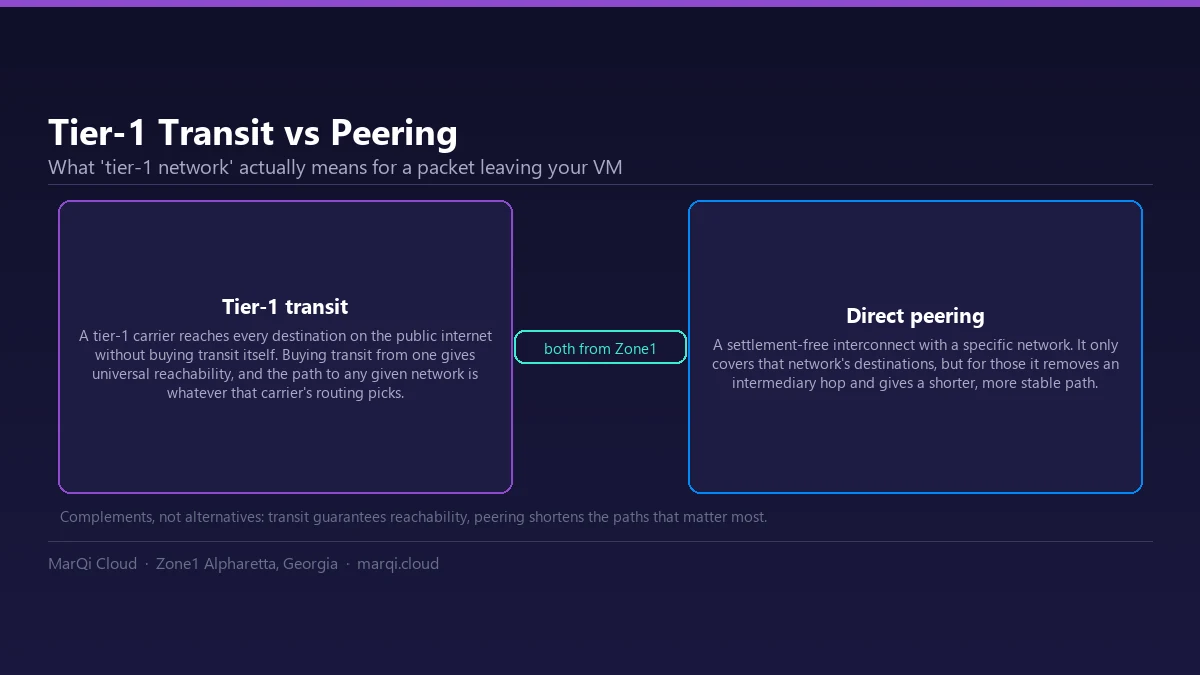
Tier-1 network connectivity refers to a classification of internet service providers (ISPs) that can connect to the internet without paying for transit. These networks have a vast, extensive infrastructure that allows them to peer with other networks, thereby providing direct access to a large number of internet users and services.
Characteristics of Tier-1 Networks
- Global Reach: Tier-1 networks have a presence in multiple countries, ensuring extensive global connectivity.
- No Transit Fees: They do not pay for internet transit, allowing them to maintain lower operational costs.
- Robust Infrastructure: These networks possess a highly reliable infrastructure with redundant paths and high-capacity links.
- Peering Relationships: Tier-1 networks establish peering agreements with other networks, facilitating free data exchange.
The Importance of Tier-1 Network Connectivity in Data Centers
Tier-1 network connectivity is vital for data centers for several reasons:
1. Enhanced Performance
With direct access to a wide array of networks, Tier-1 connectivity minimizes latency, ensuring faster data transfer speeds. This is crucial for applications that require real-time processing and low latency, such as online gaming, financial trading, and VoIP services.
2. Improved Reliability
Tier-1 networks are designed with redundancy and resilience in mind. In the event of a failure in one path, data can be rerouted through alternative paths, ensuring continuous connectivity and minimizing downtime.
3. Cost Efficiency
By leveraging Tier-1 connectivity, businesses can reduce costs associated with data transit. This is especially beneficial for companies that rely on significant data transfers or have high-bandwidth needs.
4. Scalability
As businesses grow, their data needs often increase. Tier-1 network connectivity allows for scalable solutions that can adapt to changing demands without compromising performance.
Georgia’s Data Center Landscape
Georgia is home to a rapidly growing data center market, driven by its strategic location, favorable business environment, and robust infrastructure. Cities like Atlanta are emerging as key hubs for data center operations, thanks to their access to Tier-1 network connectivity.
1. Strategic Location
Georgia’s geographical location provides a significant advantage. It serves as a central point for businesses in the Southeast, allowing for efficient data distribution and access to various markets.
2. Favorable Business Environment
The state offers a business-friendly environment with incentives for technology companies, making it an attractive location for data center investments.
3. Robust Infrastructure
With established Tier-1 networks, Georgia’s data centers can provide reliable and high-performance services, attracting businesses that prioritize connectivity.
Choosing the Right Data Center with Tier-1 Connectivity
When selecting a data center, consider the following factors:
1. Connectivity Options
Evaluate the types of connectivity offered. Beyond Tier-1, consider if the data center provides hybrid solutions that can cater to specific business needs.
2. Security Measures
Ensure that the data center has robust security protocols in place to protect sensitive data and maintain compliance with regulations.
3. Scalability
Choose a facility that can grow with your business, providing the necessary resources and connectivity options as your needs evolve.
4. Support Services
A responsive support team is essential for troubleshooting and maintenance. Verify the availability and expertise of support staff.
Conclusion
Tier-1 network connectivity plays a crucial role in the effectiveness of data centers in Georgia. By understanding its significance, businesses can make informed decisions when selecting a data center that meets their operational needs. With the right infrastructure, organizations can ensure high performance, reliability, and scalability, which are essential in today’s competitive landscape.
FAQs
1. What is the difference between Tier-1 and Tier-2 networks?
Tier-1 networks can connect to the internet without paying transit fees, while Tier-2 networks must pay for transit connections.
2. Why is low latency important for businesses?
Low latency is critical for applications that require real-time data processing, such as financial transactions and online gaming.
3. How does Tier-1 connectivity enhance data reliability?
Tier-1 networks provide multiple redundant paths for data transmission, ensuring continuous connectivity even during failures.
4. Can businesses in Georgia benefit from Tier-1 connectivity?
Yes, businesses in Georgia can leverage Tier-1 connectivity to improve performance, reduce costs, and enhance reliability.
5. What types of businesses typically require Tier-1 connectivity?
Businesses in finance, e-commerce, streaming services, and cloud computing often require Tier-1 connectivity for optimal performance.
6. How do I choose the right data center for my business?
Consider factors such as connectivity options, security measures, scalability, and support services when selecting a data center.
7. Are there any risks associated with Tier-1 connectivity?
While Tier-1 connectivity offers numerous benefits, risks may include dependency on a single provider for connectivity and potential challenges related to peering agreements.
8. What should I look for in a data center’s support services?
Look for responsive, knowledgeable staff that can provide timely support and maintenance to ensure optimal performance and uptime.
9. How does hybrid cloud deployment relate to Tier-1 connectivity?
Hybrid cloud deployment can benefit from Tier-1 connectivity by ensuring seamless integration and data transfer between on-premises and cloud environments.
10. What are the long-term benefits of investing in Tier-1 connectivity?
Investing in Tier-1 connectivity provides long-term benefits such as improved performance, increased reliability, and potential cost savings for businesses.