
Open Source Cloud Computing for Strong Enterprise Infrastructure
December 18, 2025
Key Features to Look for in an Open Source Hybrid Cloud Provider
December 26, 2025

How Cloud Native App Development Supports Rapid Innovation
Introduction
Modern businesses move fast, and to keep up, they need technology that is flexible, reliable, and built for growth. Customers expect quick services, regular updates, and seamless digital experiences. To meet these expectations, companies must be able to innovate quickly and adapt without delays.
Cloud native app development has become a powerful solution for driving rapid digital transformation. By building applications directly for cloud environments, businesses can develop, launch, and enhance their apps more quickly. This approach supports better scalability, improved performance, and the freedom to respond to change without disrupting operations.
What Is Cloud Native App Development?
Cloud native app development means building applications especially for the cloud. Instead of creating one big application, it uses smaller parts that work together. This makes apps easier to update, scale, and manage as business needs change.
How Cloud Native Applications Are Built
- Applications are divided into small services (microservices)
- Each service works independently and focuses on one task
- Services are packed into containers for smooth performance
- Orchestration tools manage scaling and availability automatically
- Apps are designed to work smoothly on public, private, and hybrid cloud platforms
Core Parts of Cloud Native Applications
- Microservices: small services that communicate through APIs
- Containers: keep apps consistent across environments
- Orchestration platforms: handle deployment and scaling
- CI/CD pipelines: allow regular updates without downtime
How Cloud Native App Development Supports Innovation
Cloud native app development helps teams work faster and smarter. New features can be tested and launched quickly, allowing businesses to respond to customer needs without delays.
- Faster development and releases
- Quick testing and improvements
- Shorter time to launch new products
Continuous Integration and Delivery (CI/CD)
- Supports frequent updates
- Reduces manual work
- Improves team productivity
Benefits of Cloud Native App Development
- Scales easily as demand grows
- Recovers quickly from failures
- Works across different cloud platforms
- Saves costs by using resources efficiently
In simple terms, cloud native app development focuses on building flexible and reliable applications that grow with your business and support fast innovation.
Cloud Native App Development Services
Building modern applications today requires speed, flexibility, and reliability. That is where cloud native app development services come in, helping businesses create applications that are designed to perform perfectly in cloud environments.
- Applications are built using small, independent components instead of one large system
- Each component can be updated or scaled without affecting the whole application
- This makes software easier to manage and ready for future growth
With cloud native app development services, businesses can move faster and adapt quickly to changing market needs.
- New features can be developed, tested, and released quickly
- Applications run smoothly across public, private, or hybrid cloud platforms
- Automation reduces downtime and improves overall performance
Choosing the right cloud native app development services ensures long-term stability and success.
Key Benefits for Businesses
- Faster development and quicker launches
- Easy scalability based on demand
- Strong resilience and fault tolerance
- Better cost efficiency through smart resource usage
Hybrid Cloud App Development
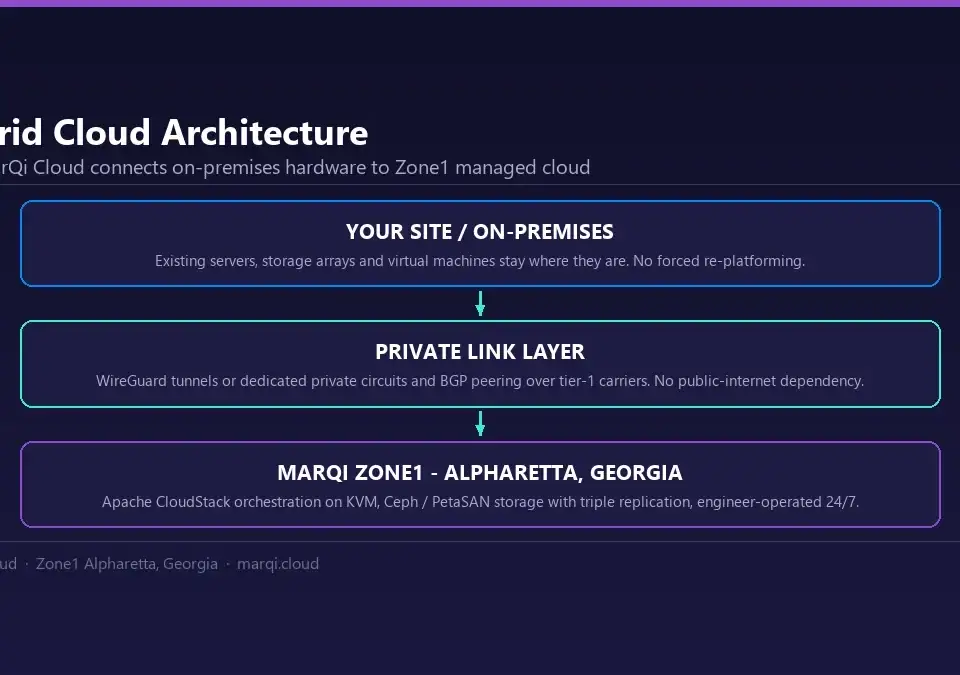
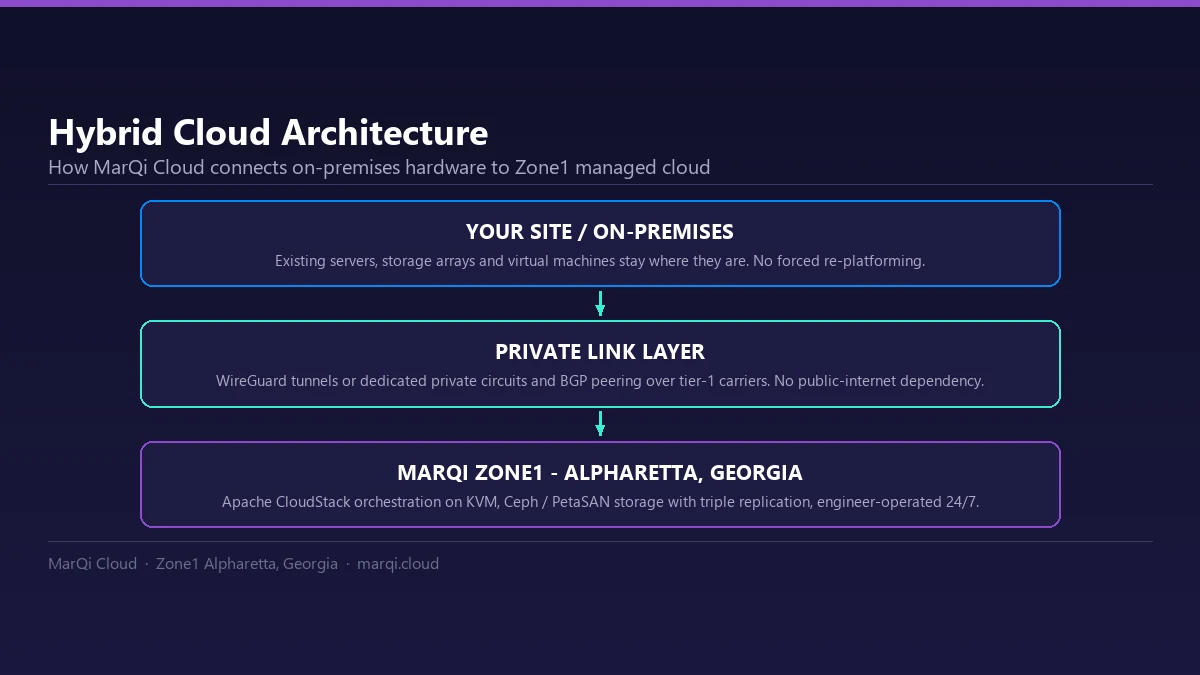
Hybrid cloud app development helps businesses run applications across both private and public clouds. This approach combines the control and security of private clouds with the flexibility and scalability of public clouds, giving you the best of both worlds.
- Integrates your private data center with public cloud providers like AWS, Azure, or GCP
- Lets you manage both environments as one using shared tools like containers
- Allows sensitive data to stay on private servers while other app parts run in the public cloud
Key Benefits
- Flexible & Scalable: Easily handle traffic spikes in the public cloud and scale down when needed
- Cost-Effective: Pay for public cloud resources as you use them and keep stable workloads on private servers
- Secure & Compliant: Keep important or regulated data on private infrastructure while using the public cloud for other tasks
- Innovative: Use public cloud services like AI, IoT, or PaaS to add new features while keeping legacy apps safe
Business Continuity and Disaster Recovery
- Improve uptime and reliability
- Keep data safe with redundancy across clouds
- Recover faster from system failures
Security and Reliability
- Built-in security for apps and infrastructure
- Automated updates and patches
- Strong system resilience through distributed architecture
Using hybrid cloud app development, businesses get both security and flexibility. It allows you to protect sensitive data while still taking advantage of the public cloud for innovation, scalability, and faster growth.
Scalable Cloud Services – Overview
Scalable cloud services are cloud platforms that automatically adjust resources like storage, processing power, and bandwidth based on demand. This helps businesses handle growth, traffic spikes, or sudden surges without slowing down or losing performance. Unlike traditional hardware, which is slow and costly to upgrade, scalable cloud services are flexible, efficient, and easy to manage.
- Scale Up (Vertical Scaling): Add more power (CPU, RAM) to existing servers
- Scale Out (Horizontal Scaling): Add more servers to share the workload
- Elasticity: Quickly adjust resources for sudden spikes, while scalability supports long-term growth
Benefits of Scalable Cloud Services
- Save Costs: Pay only for the resources you use
- Elastic & Responsive: Handle growth and change effortlessly
- Reliable Performance: Keep apps running smoothly during high traffic
- Strong and Stable: Prevent crashes during sudden demand
Why Scalable Cloud Services Matter
- Apps grow easily with your business
- Automatically handle traffic spikes
- Ensure consistent performance in different locations
Using scalable cloud services, businesses can stay flexible, save money, and keep applications fast and reliable at all times.
How MarQi Cloud Helps Businesses Innovate Faster
MarQi Cloud is an independent data center designed to support modern applications. With its own high-performance storage cluster and redundant network, it ensures reliability, speed, and continuous uptime.
This makes it ideal for:
- Cloud native app development services
- Scalable cloud services
- Hybrid cloud app development
With MarQi Cloud, businesses can develop, deploy, and scale applications quickly and confidently, without worrying about performance or downtime.
Conclusion
Cloud native app development enables faster innovation, better scalability, and greater flexibility. But to get the full benefits, businesses need strong infrastructure.
MarQi Cloud provides that foundation with its powerful storage, reliable network, and resilient data center. It helps businesses build modern cloud-native applications efficiently, stay flexible, and grow with confidence.