Why Security Architecture Reviews Should Precede Every Major Cloud Deployment
August 13, 2026The Complete Guide to Container Orchestration Platforms on Enterprise Cloud
August 13, 2026
Ultimate Guide: Deploying Kubernetes on Cloud Infrastructure for Production Workloads
As organizations increasingly strive for agility and scalability in their IT environments, Kubernetes has emerged as the leading container orchestration platform. This comprehensive guide will walk you through the essential steps of deploying Kubernetes on cloud infrastructure specifically designed for production workloads. By leveraging the power of Kubernetes, businesses can streamline their operations, enhance resource utilization, and ensure seamless deployment of applications across hybrid and private cloud environments.
Understanding Kubernetes
Kubernetes, often abbreviated as K8s, is an open-source container orchestration system that automates the deployment, scaling, and management of containerized applications. Originally developed by Google, Kubernetes has gained immense popularity due to its ability to manage complex applications in a microservices architecture.
In a production environment, Kubernetes allows organizations to:
- Seamlessly scale applications based on demand.
- Automate deployment processes, reducing human error.
- Implement self-healing mechanisms that restart or replace failed containers.
- Manage service discovery and load balancing to ensure high availability.
For enterprises, deploying Kubernetes on a robust cloud infrastructure is crucial to harnessing these benefits effectively. As an enterprise cloud provider, MarQi Cloud offers tailored solutions for deploying Kubernetes that ensure optimal performance and security.
Choosing the Right Cloud Provider
Selecting the right cloud provider is critical for the success of your Kubernetes deployment. Factors to consider include:
- Infrastructure Capabilities: Ensure the provider offers enterprise-grade infrastructure with scalable compute and storage resources.
- Support for Hybrid Deployments: Choose a provider that supports hybrid cloud models to enable flexibility in resource allocation.
- Security Features: Look for robust security measures, including private cloud hosting and secure data hosting options.
- Compliance Standards: Especially for sectors like healthcare and finance, ensure the provider meets compliance requirements.
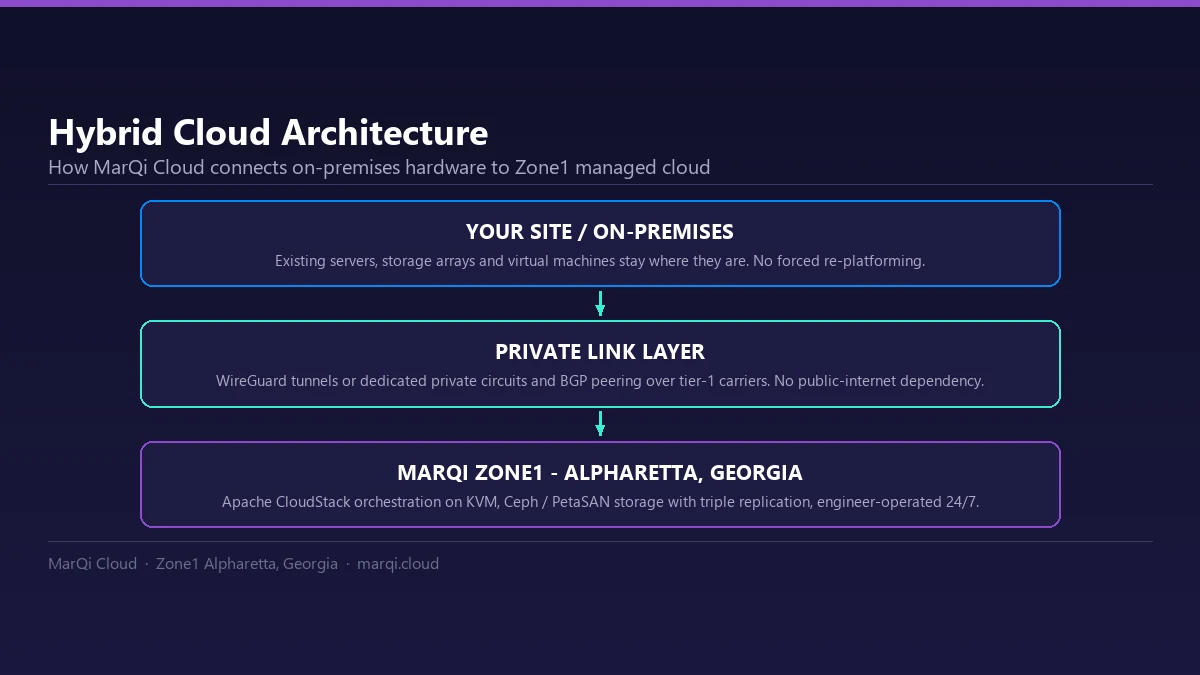
MarQi Cloud stands out as a leader in the industry by providing hybrid cloud solutions that cater to the unique needs of enterprise clients. Our infrastructure is designed with performance and security in mind, making it ideal for Kubernetes deployments.
Preparing Your Environment
Before deploying Kubernetes, it is essential to prepare your environment adequately. Here are the steps to follow:
- Assess Requirements: Evaluate your application architecture and determine the resources required for Kubernetes.
- Set Up Your Cloud Account: Create an account with your chosen cloud provider and configure necessary permissions.
- Network Configuration: Establish a networking architecture that facilitates communication between Kubernetes nodes. This may include setting up Virtual Private Clouds (VPCs) and subnets.
- Choose a Kubernetes Distribution: Decide whether to use a managed Kubernetes service (like Google Kubernetes Engine or Amazon EKS) or self-manage your Kubernetes cluster.
MarQi Cloud’s infrastructure is built to facilitate seamless Kubernetes deployments, offering managed services for organizations seeking to offload operational overhead.
Deploying Kubernetes
The deployment of Kubernetes can be accomplished using various methods, including:
1. Using Managed Kubernetes Services
Managed services simplify the deployment process by abstracting much of the underlying complexity. For example:
- Google Kubernetes Engine (GKE): Automatically handles upgrades and scaling.
- Amazon Elastic Kubernetes Service (EKS): Integrates seamlessly with AWS services.
2. Setting Up a Self-Managed Kubernetes Cluster
If you choose to self-manage your Kubernetes cluster, follow these steps:
- Install Kubernetes Tools: Install tools like kubectl and kubeadm on your local machine.
- Provision Virtual Machines: Create VMs for your Kubernetes nodes. Ensure they meet the necessary resource specifications.
- Initialize the Cluster: Use kubeadm to initialize the Kubernetes control plane.
- Add Worker Nodes: Join worker nodes to the cluster using the kubeadm join command.
Here’s a simplified version of the commands you might use to set up a self-managed cluster:
sudo kubeadm init --pod-network-cidr=10.244.0.0/16After initialization, install a network add-on like Flannel or Calico to enable communication between pods.
Configuring Kubernetes for Production
Once your cluster is deployed, configuring it for production is critical to ensure reliability and performance. Here are key configurations to consider:
1. Set Up Resource Requests and Limits
Define resource requests and limits for your pods to ensure they have adequate resources without overwhelming the cluster:
apiVersion: v1
kind: Pod
metadata:
  name: my-app
spec:
  containers:
  - name: my-container
    image: my-image
    resources:
      requests:
        memory: "64Mi"
        cpu: "250m"
      limits:
        memory: "128Mi"
        cpu: "500m"
2. Implement Health Checks
Use liveness and readiness probes to monitor the health of your applications:
livenessProbe:
  httpGet:
    path: /health
    port: 8080
  initialDelaySeconds: 30
  periodSeconds: 10
3. Configure Persistent Storage
For stateful applications, configure persistent storage using Persistent Volumes (PVs) and Persistent Volume Claims (PVCs).
4. Enable Logging and Monitoring
Integrate tools like Prometheus for monitoring and ELK stack for logging to gain visibility into your application’s performance.
Monitoring and Maintaining Your Kubernetes Cluster
Regular monitoring and maintenance are essential to ensure the health of your Kubernetes environment:
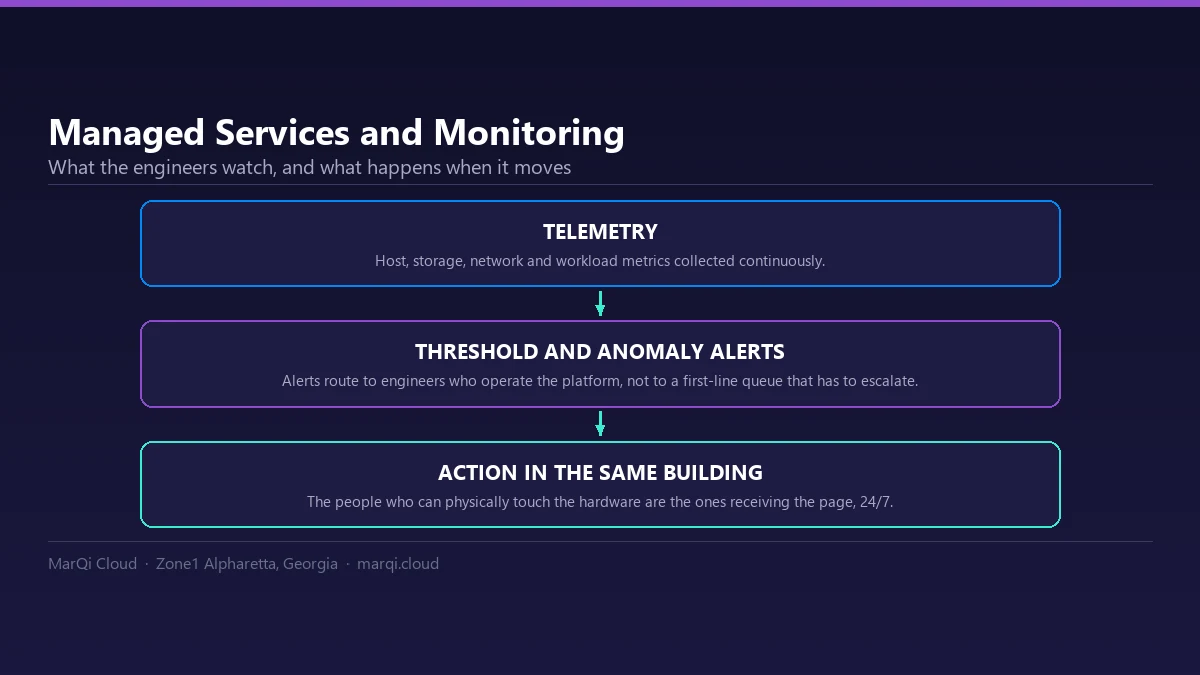
- Use Monitoring Tools: Implement tools like Grafana and Prometheus to track metrics and set alerts.
- Conduct Regular Backups: Utilize tools like Velero to backup your cluster state and applications.
- Perform Security Audits: Regularly assess your cluster for vulnerabilities and compliance with security standards.
Common Challenges and Best Practices
Deploying Kubernetes can come with challenges. Here are some common issues and best practices:
Challenges
- Complexity of Configuration: Kubernetes has many moving parts, which can complicate configuration.
- Resource Management: Inefficient resource management can lead to performance bottlenecks.
- Security Concerns: Misconfigured security settings can expose applications to risks.
Best Practices
- Automate Deployments: Use CI/CD tools to automate application deployments.
- Regularly Update Kubernetes: Keep your Kubernetes version up-to-date to benefit from improvements and security patches.
- Implement Role-Based Access Control (RBAC): Control access to resources to enhance security.
For enterprises considering a Kubernetes deployment, MarQi Cloud offers hybrid cloud solutions designed to optimize performance and security, ensuring your applications run smoothly in a production environment.
FAQ
1. What is Kubernetes?
Kubernetes is an open-source platform designed to automate deploying, scaling, and operating application containers.
2. How do I choose the right cloud provider for Kubernetes?
Evaluate infrastructure capabilities, support for hybrid deployments, security features, and compliance standards when choosing a cloud provider.
3. Can I use Kubernetes for stateful applications?
Yes, Kubernetes supports stateful applications through StatefulSets and persistent storage configurations.
4. What are the benefits of using managed Kubernetes services?
Managed services simplify deployment and management tasks, allowing teams to focus on application development rather than infrastructure management.
5. How can I monitor my Kubernetes cluster?
Implement monitoring tools like Prometheus and Grafana to track metrics and set alerts for your Kubernetes cluster.
6. What are health checks in Kubernetes?
Health checks are probes that determine the health of an application running in a container, ensuring it is functioning correctly.
7. How do I ensure security in my Kubernetes environment?
Implement role-based access control (RBAC), network policies, and regularly conduct security audits to enhance security in your Kubernetes environment.
8. How can MarQi Cloud help with Kubernetes deployments?
MarQi Cloud offers enterprise-grade cloud infrastructure and managed services specifically designed to optimize Kubernetes deployments for production workloads.