How Zero Egress Fee Policies Eliminate Data Hostage Situations in Cloud Security
August 13, 2026
Ultimate Guide: Deploying Kubernetes on Cloud Infrastructure for Production Workloads
August 13, 2026
Why Security Architecture Reviews Should Precede Every Major Cloud Deployment
In an era where data breaches and cyber threats are rampant, the importance of robust security measures cannot be overstated. Every major cloud deployment must begin with a thorough security architecture review. This foundational step is critical for ensuring that your cloud infrastructure is secure, compliant, and capable of protecting sensitive data. In this article, we will explore the necessity of conducting security architecture reviews prior to any significant cloud deployment, the components involved, and best practices for implementing these reviews effectively.
Importance of Security Architecture Reviews
Security architecture reviews are essential in today’s cloud-centric world for several reasons:
- Risk Mitigation: By identifying potential vulnerabilities before deployment, organizations can address them proactively, significantly reducing the risk of data breaches and compliance violations.
- Compliance Assurance: Many industries are governed by strict regulations concerning data protection. Security architecture reviews ensure that your cloud infrastructure adheres to these regulations, thereby avoiding costly fines and reputational damage.
- Resource Optimization: A well-structured security architecture can streamline processes and reduce operational costs by eliminating unnecessary redundancies and inefficiencies.
- Trust Building: Demonstrating a commitment to security through comprehensive reviews can enhance customer trust and loyalty, which is crucial for businesses operating in competitive environments.
Key Components of Security Architecture
To conduct an effective security architecture review, organizations must understand the key components that form the backbone of their security posture. These include:
- Network Security: This involves the protection of the integrity and usability of network and data. Key elements include firewalls, intrusion detection systems, and network segmentation.
- Identity and Access Management (IAM): IAM policies govern who has access to what resources and under what conditions. Effective IAM is essential for preventing unauthorized access to sensitive data.
- Data Security: This encompasses measures taken to protect data from unauthorized access and corruption throughout its lifecycle, including encryption, masking, and tokenization.
- Application Security: The security of applications is paramount, especially those that handle sensitive customer data. This includes secure coding practices, regular vulnerability assessments, and penetration testing.
- Compliance Frameworks: Familiarity with compliance standards such as GDPR, HIPAA, and PCI-DSS is crucial to ensure that the cloud infrastructure meets legal and regulatory requirements.
Best Practices for Conducting Security Reviews
Implementing a security architecture review can be complex, but following best practices can streamline the process:
- Establish a Security Review Team: Assemble a cross-functional team that includes cloud architects, security professionals, and compliance experts to ensure a comprehensive review.
- Define Clear Objectives: Identify what the review aims to achieve, such as compliance with specific regulations or identification of vulnerabilities.
- Utilize Security Frameworks: Leverage established security frameworks such as NIST Cybersecurity Framework or ISO 27001 to guide the review process.
- Document Everything: Maintain thorough documentation of findings, recommendations, and actions taken to address identified issues. This documentation is vital for future audits and compliance checks.
- Conduct Regular Reviews: Security architecture is not static. Regular reviews should be conducted to adapt to evolving threats and changes in the business environment.
Common Mistakes in Security Architecture
Even with the best intentions, organizations can make several common mistakes during security architecture reviews:
- Overlooking Compliance Requirements: Failing to consider regulatory requirements can lead to severe penalties and damage to reputation.
- Neglecting Data Governance: Without proper data governance, sensitive information may be exposed, leading to data breaches.
- Inadequate Risk Assessment: A superficial risk assessment can leave critical vulnerabilities unaddressed.
- Ignoring User Education: Users are often the weakest link in security. Neglecting to train them on security best practices can lead to breaches.
Conclusion
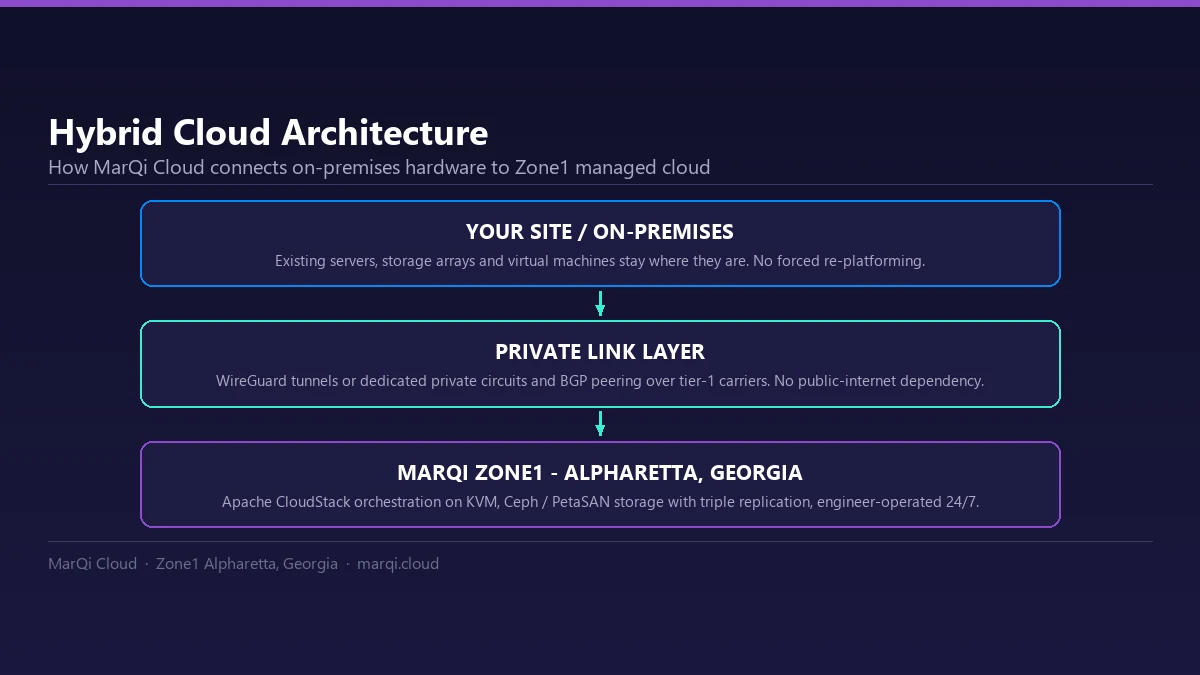
In conclusion, conducting security architecture reviews before any major cloud deployment is not just a best practice; it is a necessity in safeguarding your organization against the myriad of cyber threats present today. By understanding the importance of these reviews, recognizing the key components of security architecture, and adhering to best practices, organizations can significantly enhance their security posture and ensure compliance with relevant regulations. For businesses looking to optimize their cloud infrastructure securely, MarQi Cloud offers enterprise-grade cloud infrastructure, with an architecture review and a scoping call to plan your deployment. Contact us today to learn more about our hybrid cloud solutions and how their controls fit into your own security and compliance program.
FAQs
What is a security architecture review?
A security architecture review is an evaluation of an organization’s security framework to identify vulnerabilities and ensure compliance with security standards.
Why are security architecture reviews important for cloud deployments?
They help mitigate risks, ensure compliance with regulations, optimize resources, and build trust with customers.
What are common components of a security architecture?
Key components include network security, identity and access management, data security, application security, and compliance frameworks.
How often should security architecture reviews be conducted?
Regular reviews should be conducted, ideally at least annually, or whenever significant changes occur in the infrastructure or threat landscape.
What frameworks can guide security architecture reviews?
Frameworks such as NIST Cybersecurity Framework and ISO 27001 can provide a structured approach to conducting security reviews.
What are common mistakes to avoid in security architecture reviews?
Common mistakes include overlooking compliance requirements, inadequate risk assessments, and neglecting user education on security best practices.
How can MarQi Cloud assist with security architecture reviews?
MarQi Cloud provides expert consultation and enterprise-level infrastructure to help organizations securely optimize their cloud deployments.
What is the cost of a security architecture review?
The cost can vary based on the complexity of the infrastructure and the scope of the review. It is advisable to consult with a security expert for an accurate estimate.