Ultimate Guide: Deploying Kubernetes on Cloud Infrastructure for Production Workloads
August 13, 2026
Why Managed Kubernetes Services Reduce the Operational Burden for DevOps Teams
August 14, 2026
The Complete Guide to Container Orchestration Platforms on Enterprise Cloud
In today’s fast-paced digital landscape, container orchestration platforms have emerged as a cornerstone for managing complex applications in enterprise cloud environments. As businesses increasingly adopt cloud solutions, understanding how to effectively deploy, manage, and scale containerized applications becomes crucial. This comprehensive guide will delve into the essentials of container orchestration, highlighting its significance, key platforms, and best practices for enterprises looking to leverage cloud infrastructure.
What is Container Orchestration?
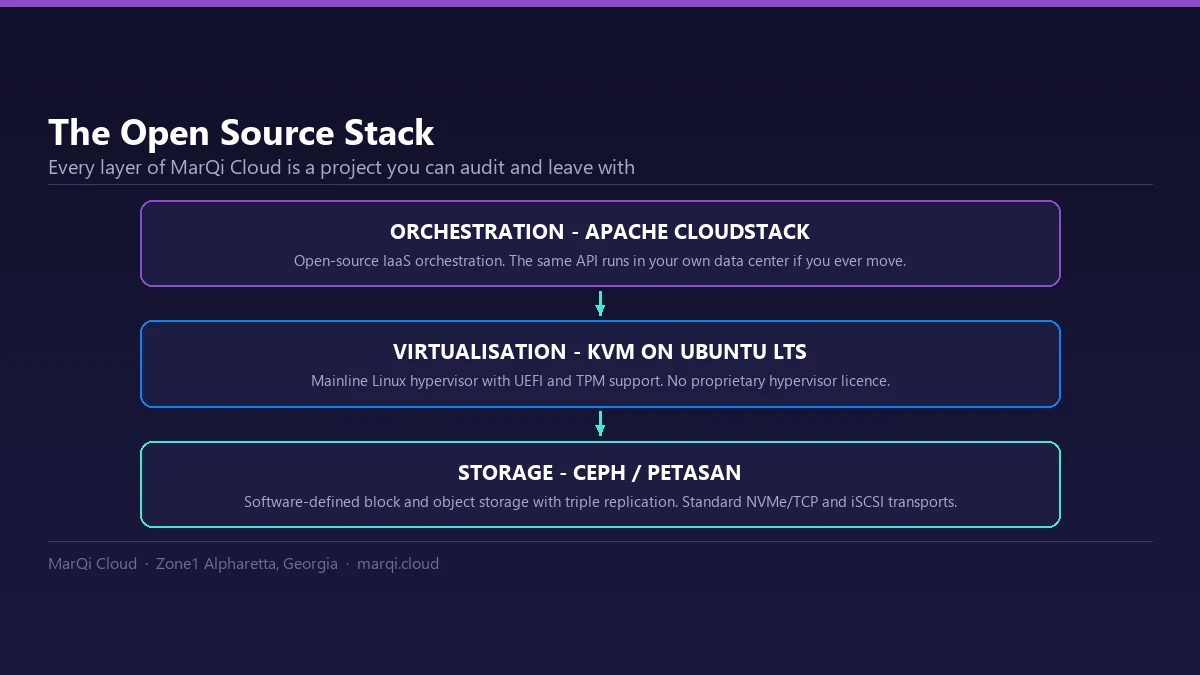
Container orchestration refers to the automated management of containerized applications across a cluster of machines. It enables developers and IT teams to deploy, manage, scale, and network containers seamlessly. With container orchestration, organizations can automate the deployment of applications in a consistent manner, ensuring that the underlying infrastructure can handle the demands of modern, microservices-based applications. Those machines are the layer underneath: the MarQi Cloud compute platform is what an orchestrator schedules onto.
Why is Container Orchestration Important?
As enterprises transition to cloud-native architectures, the complexity of managing numerous containers increases significantly. Container orchestration provides several key benefits:
- Scalability: Automatically scales applications based on demand, optimizing resource utilization.
- Fault Tolerance: Ensures high availability by automatically restarting failed containers and distributing traffic across healthy instances.
- Resource Management: Allocates resources efficiently, preventing resource contention and ensuring optimal performance.
- Streamlined Deployment: Facilitates continuous integration and continuous deployment (CI/CD) workflows, enabling rapid application updates.
- Enhanced Security: Offers built-in security features, including secrets management and network policies, to protect containerized applications.
By leveraging these advantages, organizations can enhance their operational efficiency and deliver reliable applications to their customers.
Popular Container Orchestration Platforms
Several platforms exist in the market, each offering unique features and benefits. Below are some of the most popular container orchestration platforms:
Kubernetes
Kubernetes, often abbreviated as K8s, is the most widely used container orchestration platform. Developed by Google, it provides a robust framework for automating deployment, scaling, and operations of application containers across clusters of hosts. Kubernetes supports a wide range of container tools, including Docker, and is known for its flexibility and extensive ecosystem.
Docker Swarm
Docker Swarm is Docker’s native clustering and orchestration tool. It allows users to manage a cluster of Docker engines, simplifying the deployment of applications. While not as feature-rich as Kubernetes, Docker Swarm is praised for its ease of use and seamless integration with Docker tools.
Apache Mesos
Apache Mesos is a distributed systems kernel that abstracts resources away from machines, allowing for the efficient management of containers and other workloads. Mesos is designed to handle large-scale applications and is often used in conjunction with Marathon, a container orchestration platform that runs on top of Mesos.
Amazon ECS
Amazon Elastic Container Service (ECS) is a highly scalable container orchestration service offered by AWS. ECS integrates tightly with other AWS services, making it a popular choice for organizations already using the AWS ecosystem. It simplifies the deployment of containerized applications and provides robust monitoring and scaling capabilities.
OpenShift
OpenShift, developed by Red Hat, is an enterprise Kubernetes platform that adds developer and operational tools on top of Kubernetes. OpenShift provides enhanced security features and a developer-friendly experience, making it suitable for enterprises looking for a comprehensive container management solution.
Key Features of Container Orchestration Platforms
When evaluating container orchestration platforms, consider the following essential features:
- Automated Deployment: Simplifies the deployment of applications by automating the process of container creation, scaling, and networking.
- Load Balancing: Distributes incoming traffic across multiple containers to ensure even resource utilization and high availability.
- Service Discovery: Automatically detects and connects containers within a cluster, enabling seamless communication between microservices.
- Rolling Updates: Facilitates gradual updates to applications without downtime, allowing for continuous delivery of new features and fixes.
- Monitoring and Logging: Provides built-in tools for monitoring application performance and logging events, crucial for troubleshooting and optimizing applications.
Best Practices for Using Container Orchestration
To maximize the benefits of container orchestration, consider these best practices:
- Utilize CI/CD Tools: Integrate continuous integration and continuous deployment tools to streamline the development and deployment process.
- Implement Monitoring Solutions: Use monitoring solutions to gain insights into application performance and resource utilization.
- Automate Scaling: Take advantage of auto-scaling features to dynamically adjust resources based on demand.
- Maintain Security Best Practices: Adopt security best practices, including secrets management and network policies, to protect sensitive data.
- Document Your Architecture: Keep comprehensive documentation of your container architecture and orchestration processes to facilitate troubleshooting and onboarding.
Comparison of Leading Container Orchestration Platforms
| Platform | Ease of Use | Scalability | Community Support | Cost |
|---|---|---|---|---|
| Kubernetes | Moderate | High | Excellent | Variable |
| Docker Swarm | Easy | Moderate | Good | Low |
| Apache Mesos | Complex | Very High | Good | Variable |
| Amazon ECS | Easy | High | Excellent | Variable |
| OpenShift | Moderate | High | Good | High |
Conclusion
Container orchestration platforms play a vital role in modern enterprise cloud environments, enabling organizations to manage their containerized applications effectively. By understanding the importance of orchestration and leveraging the right platforms, businesses can enhance their operational efficiency, ensure application reliability, and drive innovation. For enterprises looking to implement robust cloud solutions, MarQi Cloud offers enterprise-grade infrastructure and hybrid cloud deployment models tailored to meet your specific needs. Explore our hybrid cloud solutions or contact us to learn more about how we can support your cloud initiatives.
Frequently Asked Questions
What is container orchestration?
Container orchestration is the automated management of containerized applications, enabling streamlined deployment, scaling, and networking across clusters of machines.
Why is container orchestration important for enterprises?
Container orchestration is crucial for enterprises as it enhances scalability, fault tolerance, resource management, streamlined deployment, and security for containerized applications.
What are the most popular container orchestration platforms?
The most popular container orchestration platforms include Kubernetes, Docker Swarm, Apache Mesos, Amazon ECS, and OpenShift.
How does Kubernetes differ from Docker Swarm?
Kubernetes is more feature-rich and scalable compared to Docker Swarm, which is easier to use but less comprehensive in functionality.
What are the key features to look for in a container orchestration platform?
Key features include automated deployment, load balancing, service discovery, rolling updates, and monitoring and logging capabilities.
How can enterprises ensure security in container orchestration?
Enterprises can enhance security by adopting best practices such as secrets management, network policies, and regular security audits.
What are the best practices for using container orchestration?
Best practices include utilizing CI/CD tools, implementing monitoring solutions, automating scaling, maintaining security best practices, and documenting the architecture.
How do I choose the right container orchestration platform for my business?
Consider factors such as ease of use, scalability, community support, and cost when evaluating container orchestration platforms.