The Complete Guide to Container Orchestration Platforms on Enterprise Cloud
August 13, 2026
Ultimate Guide to Building a GitOps Workflow for Automated Cloud Infrastructure Deployment
August 14, 2026
Why Managed Kubernetes Services Reduce the Operational Burden for DevOps Teams
The rise of containerization has transformed the way software is developed and deployed. Among the various orchestration tools available, Kubernetes stands out as the leading choice for managing containerized applications. However, while Kubernetes offers unparalleled flexibility and scalability, it also introduces complexities that can overwhelm DevOps teams. This is where managed Kubernetes services come into play, providing a solution that mitigates operational burdens and enhances productivity. In this article, we will explore how these services can streamline operations, reduce costs, and improve overall performance for DevOps teams.
Understanding Kubernetes and Its Challenges
Kubernetes, an open-source container orchestration platform, is designed to automate the deployment, scaling, and management of containerized applications. While it offers numerous advantages, it also presents several challenges:
- Complexity: Configuring and managing Kubernetes clusters can be intricate, requiring deep knowledge of both the platform and the underlying infrastructure.
- Resource Management: Ensuring optimal resource allocation across containers is critical but can be difficult without adequate monitoring and management tools.
- Security: Kubernetes security is multifaceted, requiring constant vigilance to protect against vulnerabilities and breaches.
- Upgrades and Maintenance: Regular updates and maintenance are essential to keep the environment secure and efficient, but this can strain DevOps resources.
These challenges can lead to increased operational burdens for DevOps teams, diverting their focus from innovation to maintenance. This is where managed Kubernetes services offer a significant advantage.
What are Managed Kubernetes Services?
Managed Kubernetes services are cloud-based solutions that handle the complexities of Kubernetes management on behalf of the user. Providers like MarQi Cloud offer these services to ensure that organizations can leverage Kubernetes without the operational overhead. Key features typically include:
- Automated Cluster Management: Providers automate tasks such as provisioning, scaling, and monitoring of Kubernetes clusters.
- Security and Compliance: Managed services often include built-in security features and compliance tools to protect sensitive data.
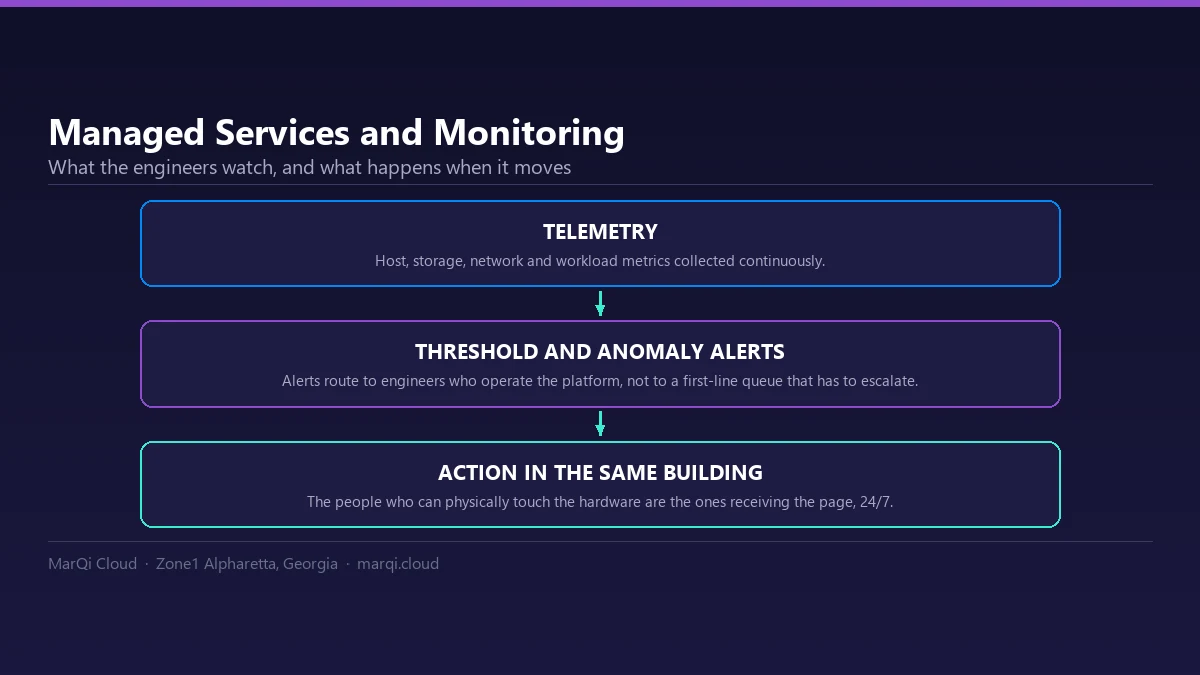
- 24/7 Support: Expert support is available around the clock, ensuring that any issues are promptly addressed.
- Cost Management: Managed services typically come with flexible pricing models, allowing organizations to control costs effectively.
By outsourcing Kubernetes management, DevOps teams can refocus their efforts on developing and deploying applications rather than managing infrastructure.
Benefits of Managed Kubernetes Services
The advantages of adopting managed Kubernetes services are manifold:
1. Reduced Operational Burden
One of the primary benefits is the significant reduction in the operational burden on DevOps teams. With managed services, routine tasks such as updates, scaling, and monitoring are handled by the provider, allowing teams to concentrate on strategic initiatives.
2. Enhanced Security
Security is a critical concern for any organization. Managed Kubernetes services come equipped with advanced security features, including:
- Automated Patch Management: Providers ensure that Kubernetes and its components are regularly updated to protect against vulnerabilities.
- Access Controls: Role-based access controls (RBAC) help restrict access to sensitive resources based on user roles.
- Compliance Tools: Many managed services include compliance frameworks that help organizations meet industry regulations.
3. Improved Performance and Reliability
Managed Kubernetes services often include performance optimization tools and monitoring solutions that enhance application reliability. For example, MarQi Cloud’s infrastructure is designed for performance-driven deployments, ensuring that applications run smoothly.
4. Scalability
Managed services make it easier to scale applications based on demand. Automatic scaling features allow organizations to adjust resources dynamically, ensuring optimal performance during peak usage times without manual intervention.
5. Cost Efficiency
While some organizations may be hesitant about the costs associated with managed services, they often lead to significant long-term savings. By reducing the need for in-house expertise and minimizing downtime, organizations can see a favorable return on investment.
Cost Analysis: Managed vs Self-Managed Kubernetes
Understanding the financial implications of managed Kubernetes services versus self-managed solutions is crucial for decision-making. Below is a comparison table that outlines key cost factors:
| Cost Factor | Managed Kubernetes | Self-Managed Kubernetes |
|---|---|---|
| Initial Setup Costs | Lower (often included in service fees) | Higher (requires significant investment in infrastructure) |
| Ongoing Maintenance | Included in service fees | Requires dedicated team and resources |
| Downtime Costs | Lower (due to proactive management) | Higher (due to potential outages) |
| Scalability Costs | Flexible pricing based on usage | Fixed costs regardless of usage |
| Security Costs | Included in service fees | Requires additional investment in security tools |
This table illustrates how managed Kubernetes services can provide a more cost-effective solution over time, especially for organizations without existing DevOps expertise.
How to Choose a Managed Kubernetes Provider
Selecting the right managed Kubernetes provider is crucial for maximizing the benefits of the service. Here are some key considerations:
- Service Level Agreements (SLAs): Ensure that the provider offers robust SLAs that guarantee uptime and support response times.
- Security Features: Look for providers that prioritize security, including compliance with relevant regulations.
- Customer Support: Evaluate the level of support available, including 24/7 assistance and access to expert resources.
- Integration Capabilities: Ensure that the managed service can integrate seamlessly with your existing tools and workflows.
By carefully evaluating potential providers, organizations can select a managed Kubernetes service that aligns with their operational needs and business goals.
Example Scenarios of Managed Kubernetes Implementations
The scenarios below are illustrative examples of how organizations typically apply these practices; they do not describe specific MarQi Cloud customers or measured results.
Example Scenario 1: E-commerce Platform
An e-commerce platform faced challenges with scaling during peak seasons. By migrating to a managed Kubernetes service, they were able to automatically scale their resources based on demand, resulting in a reduction in downtime during critical sales periods.
Example Scenario 2: Financial Services Firm
A financial services firm needed to ensure compliance with stringent regulations while maintaining high availability. By adopting a managed Kubernetes service, they improved their security posture and achieved compliance, all while reducing operational costs.
Example Scenario 3: SaaS Provider
A Software as a Service (SaaS) provider struggled with resource allocation and performance issues. After switching to a managed service, they gained access to advanced monitoring tools that improved their application performance.
Conclusion
Managed Kubernetes services offer a powerful solution for reducing the operational burden on DevOps teams. By automating complex management tasks, enhancing security, and providing scalability, these services empower organizations to focus on innovation rather than maintenance. As the demand for containerized applications continues to grow, adopting a managed Kubernetes service becomes essential for staying competitive in today’s fast-paced digital landscape.
For organizations looking to leverage the benefits of Kubernetes without the associated complexities, MarQi Cloud provides enterprise-grade managed Kubernetes solutions tailored to your needs. Contact us today to learn more about how our services can help your organization thrive in the cloud.
FAQ
What is a managed Kubernetes service?
A managed Kubernetes service is a cloud-based solution that automates the management of Kubernetes clusters, allowing organizations to focus on application development rather than infrastructure management.
How does managed Kubernetes reduce operational burden?
By handling routine tasks such as provisioning, scaling, and monitoring, managed Kubernetes services reduce the workload on DevOps teams, enabling them to concentrate on strategic initiatives.
What are the security benefits of using managed Kubernetes?
Managed Kubernetes services often include automated patch management, role-based access controls, and compliance tools, enhancing the security of applications and data.
Is managed Kubernetes cost-effective?
Yes, while there may be upfront costs, managed Kubernetes services can lead to long-term savings by reducing the need for in-house expertise and minimizing downtime.
How do I choose the right managed Kubernetes provider?
Consider factors such as SLAs, security features, customer support, and integration capabilities when selecting a managed Kubernetes provider.
Can I migrate my existing applications to managed Kubernetes?
Yes, most managed Kubernetes providers offer migration support to help organizations transition their applications seamlessly.
What types of businesses benefit from managed Kubernetes services?
Businesses of all sizes, including startups, e-commerce platforms, and enterprise-level organizations, can benefit from managed Kubernetes services.
Are there any risks associated with managed Kubernetes?
While managed services reduce many operational risks, organizations should still assess the provider’s security posture and compliance with regulations.