Dedicated GPU Hosting in Atlanta: Why Local Infrastructure Matters
March 10, 2026
Bare Metal Servers in Georgia: Performance Without Virtualization Overhead
March 10, 2026
2026 US Cloud Trends: Hybrid, Private Circuits, and Predictable Billing
Introduction
As we look ahead to 2026, the cloud computing landscape in the United States is set to evolve dramatically. With businesses increasingly relying on cloud solutions for their operations, understanding emerging trends is crucial for stakeholders seeking to enhance their cloud strategies. In this article, we will explore the key trends of hybrid cloud deployments, the rise of private circuits, and the shift toward predictable billing models. These elements are shaping the future of cloud computing and will be pivotal for enterprises aiming for efficiency and scalability.
Understanding Hybrid Cloud Deployments
The hybrid cloud model, which combines on-premises infrastructure with public and private cloud services, is gaining significant traction. This approach allows organizations to enjoy the benefits of both worlds, offering flexibility, scalability, and cost-effectiveness.
The Benefits of Hybrid Cloud
Hybrid cloud environments enable businesses to optimize their IT resources. With hybrid cloud, companies can:
- Scale resources based on demand, ensuring performance during peak times.
- Maintain sensitive data in private clouds while utilizing public clouds for less critical workloads.
- Improve disaster recovery strategies by leveraging multiple environments.
Industry Adoption
Many industries, including healthcare, finance, and manufacturing, are adopting hybrid cloud solutions. For instance, healthcare organizations can securely store patient records in private clouds while using public clouds for data analytics and research.
The Rise of Private Circuits
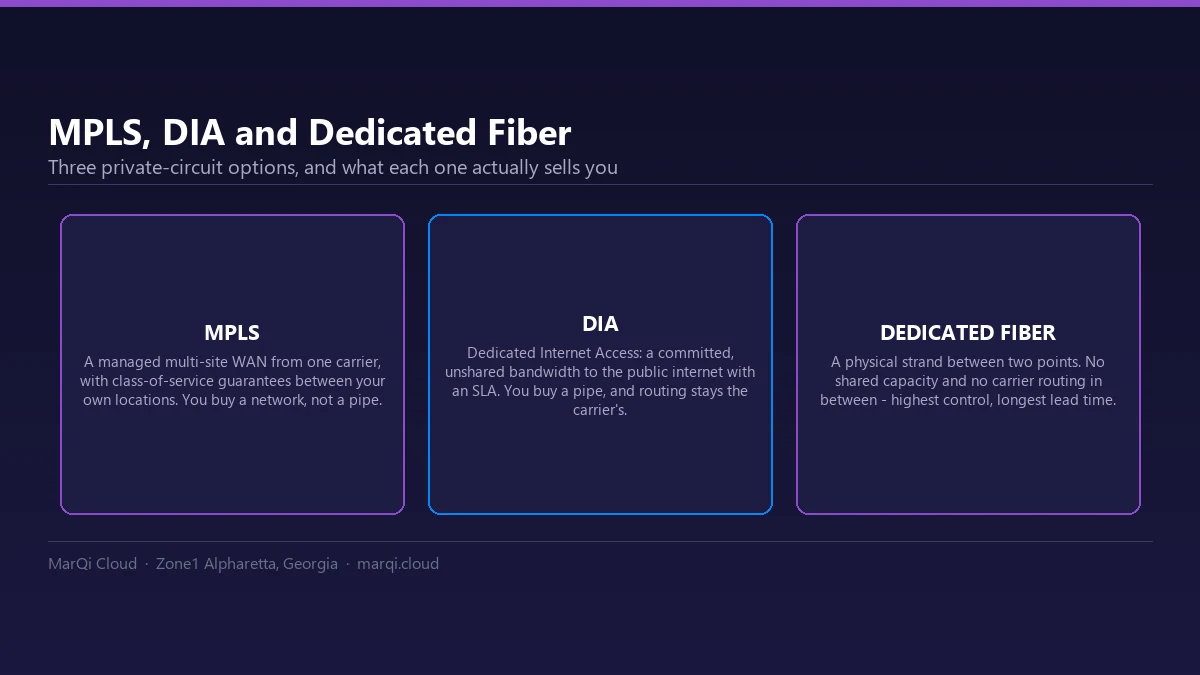
As data privacy and security concerns grow, more organizations are turning to private circuits for their cloud solutions. Private circuits offer dedicated connections between an organization’s infrastructure and their cloud provider, enhancing security and performance.
Advantages of Private Circuits
Utilizing private circuits provides several advantages:
- Increased Security: Private circuits reduce exposure to public internet vulnerabilities.
- Consistent Performance: Organizations can avoid bandwidth fluctuations associated with public networks.
- Better Compliance: Many industries have stringent regulatory requirements for data security, making private circuits an attractive option.
Case Studies
Companies in sectors like finance are increasingly investing in private circuits to secure transactions and sensitive customer data. For example, a leading bank implemented private circuits to ensure safe and efficient data transfers, resulting in enhanced customer trust.
Predictable Billing Models
One of the most significant emerging trends in cloud computing is the move toward predictable billing models. Traditional cloud pricing can be complex and unpredictable, leading to unexpected costs that can strain budgets.
Benefits of Predictable Billing
Adopting predictable billing models allows organizations to:
- Manage budgets more effectively by understanding costs upfront.
- Eliminate surprises in cloud spending, promoting better financial planning.
- Choose pricing plans that fit their specific needs, ensuring they only pay for what they use.
Implementing Predictable Billing
Companies can work with cloud providers that offer transparent pricing structures, enabling them to select plans that align with their usage patterns. This model can also include tiered pricing or subscription-based models that can lead to cost savings over time.
Integration of Emerging Technologies
As these trends evolve, the integration of emerging technologies such as Artificial Intelligence (AI) and Internet of Things (IoT) is also influencing cloud strategies. AI can optimize resource management in hybrid environments, while IoT devices can leverage cloud capabilities for data processing and analytics.
AI and Cloud Computing
AI-driven insights can help organizations make informed decisions when it comes to scaling their cloud resources. For example, predictive analytics can forecast usage patterns, allowing businesses to adjust resources proactively.
IoT and Cloud Integration
The exponential growth of IoT devices necessitates robust cloud solutions. Companies leveraging IoT must ensure that their cloud infrastructure can handle the influx of data generated by these devices, further enhancing the necessity for hybrid and private solutions.
Conclusion
As we approach 2026, the trends of hybrid cloud deployments, private circuits, and predictable billing models are shaping the future of cloud computing in the United States. Businesses that adopt these strategies will be better positioned to meet their operational goals while ensuring data security and cost efficiency. Staying ahead of these trends is essential for organizations looking to leverage cloud technology for competitive advantage.
FAQ
1. What is a hybrid cloud model?
A hybrid cloud model combines public and private cloud services, allowing organizations to manage data and applications across both environments.
2. Why are private circuits important for cloud computing?
Private circuits enhance security and performance by providing dedicated connections between an organization’s infrastructure and their cloud provider.
3. How does predictable billing benefit businesses?
Predictable billing allows businesses to manage budgets more effectively by providing clear cost expectations and eliminating surprises in cloud spending.
4. What industries are adopting hybrid cloud solutions?
Industries such as healthcare, finance, and manufacturing are increasingly adopting hybrid cloud solutions for their flexibility and scalability.
5. How can AI enhance cloud resource management?
AI can analyze usage patterns and forecast needs, enabling organizations to optimize their cloud resource allocation efficiently.
6. What role does IoT play in cloud trends?
The growth of IoT devices requires robust cloud solutions to process the vast amounts of data they generate, emphasizing the need for hybrid and private solutions.
7. What are the compliance benefits of using private circuits?
Private circuits help organizations meet stringent regulatory requirements for data security and privacy by minimizing exposure to public networks.
8. Can predictable billing models lead to cost savings?
Yes, by providing clear pricing structures, predictable billing models can help organizations avoid unexpected costs and optimize their cloud spending.