Bare Metal Servers in Georgia: Performance Without Virtualization Overhead
March 10, 2026
4090 GPU Server Rental in Atlanta – Is It Worth It?
March 10, 2026
What are the main advantages of using an Atlanta data center?
The main advantages include lower latency for local users, personalized customer support, and potentially more predictable costs.
Atlanta Data Center vs AWS: A Comprehensive Cost and Performance Comparison
In today’s digital landscape, businesses are increasingly reliant on cloud computing solutions to enhance operational efficiency, scalability, and security. Among the leading options available, Atlanta-based data centers and Amazon Web Services (AWS) stand out. This article will delve into a detailed comparison of cost and performance between these two solutions, helping businesses make an informed decision when choosing their cloud infrastructure.
Understanding the Basics
Before diving into the comparison, it’s essential to understand what each option offers.
What is an Atlanta Data Center?
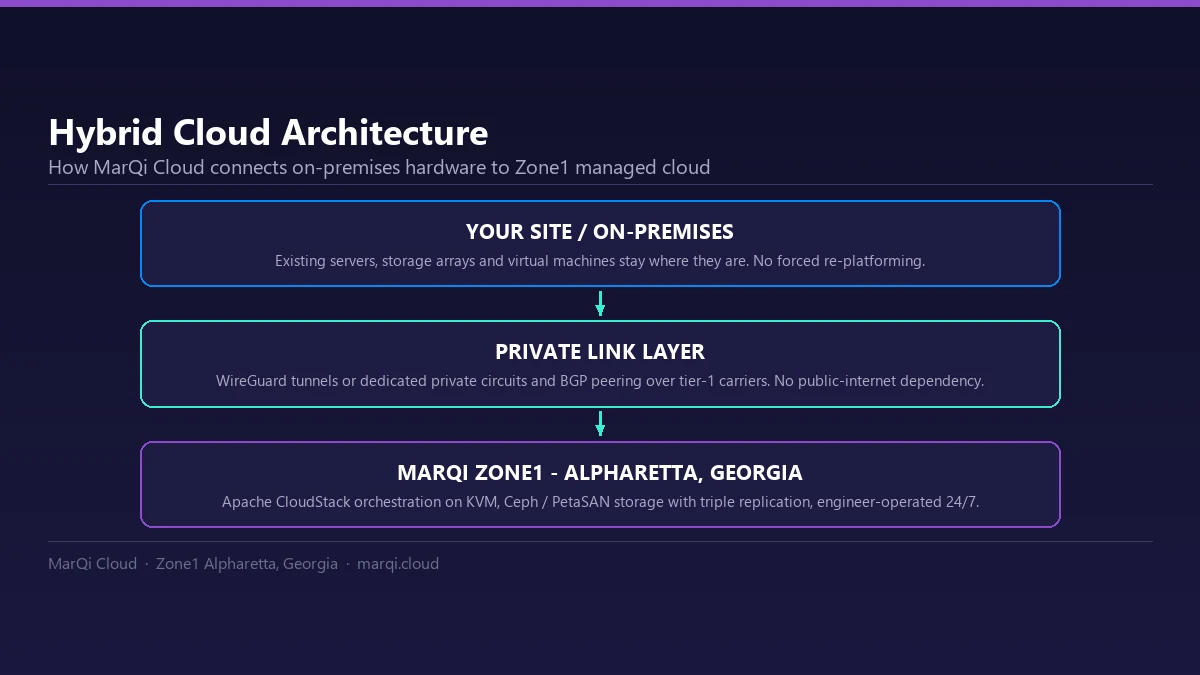
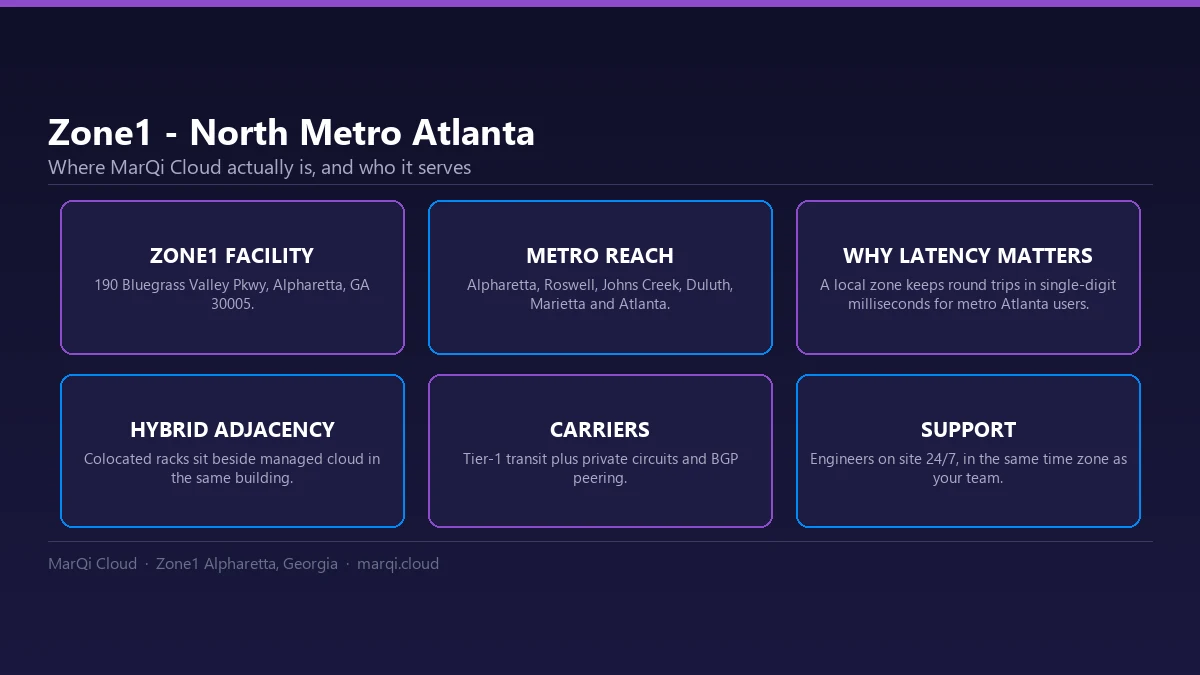
An Atlanta data center refers to the server facilities located within the Atlanta metropolitan area. These centers provide businesses with dedicated local hosting solutions, offering various services such as colocation, managed services, and private cloud environments. The benefits of choosing a local data center include lower latency, enhanced security, and direct customer support.
What is AWS?
Amazon Web Services (AWS) is a leading global cloud service provider that offers a comprehensive suite of cloud computing solutions, including storage, computing power, machine learning, and more. AWS boasts a vast global infrastructure, enabling businesses to scale their operations seamlessly across various regions. One of the main advantages of AWS is its pay-as-you-go pricing model, allowing companies to only pay for the resources they use.
Cost Comparison
Cost is a critical factor when choosing between an Atlanta data center and AWS. Let’s break down the costs associated with each option.
Initial Setup Costs
With an Atlanta data center, businesses often incur upfront costs related to hardware, installation, and configuration. This can include purchasing servers, networking equipment, and storage solutions. In contrast, AWS typically requires minimal initial investment, as it operates on a subscription basis where users can access resources without upfront hardware costs.
Monthly Subscription Costs
Atlanta data centers usually charge a monthly fee based on the amount of space and resources utilized. These fees can vary significantly depending on the services offered, the level of redundancy, and the type of support required. On the other hand, AWS uses a pay-as-you-go pricing model. This means businesses can scale their usage up or down based on their needs, potentially resulting in lower monthly costs, especially for startups and small businesses.
Long-term Costs
While AWS may appear cost-effective initially, long-term costs can accumulate rapidly if not managed properly. Businesses that require consistent high performance may find that, over time, AWS can become costly due to data transfer and storage fees. Atlanta data centers, while having higher initial costs, may provide more predictable long-term expenses, making budgeting easier.
Performance Comparison
Cost is only one side of the equation; performance is equally critical when evaluating cloud solutions.
Latency and Speed
For businesses based in Atlanta or the southeastern United States, leveraging a local data center can significantly reduce latency. This is particularly beneficial for applications that require real-time data processing or low-latency access. AWS, while globally distributed, may introduce latency for users located further from its data centers, especially for applications that require high-speed processing.
Scalability
One of the standout features of AWS is its unparalleled scalability. Businesses can quickly scale up or down based on demand without the need for physical hardware adjustments. Atlanta data centers, while providing robust performance, may require businesses to plan ahead for scaling, potentially leading to longer lead times and higher costs when needing additional resources.
Reliability and Uptime
Both Atlanta data centers and AWS offer high levels of reliability and uptime. However, AWS has a vast infrastructure with multiple availability zones, providing redundancy options that can enhance uptime. Atlanta data centers may offer similar redundancies, but the level of reliability can vary based on the provider.
Security Considerations
Security is a paramount concern for businesses considering cloud solutions. Let’s compare the security measures of both options.
Security in Atlanta Data Centers
Atlanta data centers often provide physically secure environments with controlled access, surveillance, and redundant power supplies. Additionally, they may offer compliance with various industry standards, ensuring that sensitive data is adequately protected.
Security in AWS
AWS employs a shared responsibility model, where AWS manages the security of the cloud infrastructure while customers are responsible for securing their applications within the cloud. AWS offers numerous security features, including encryption, identity and access management, and continuous monitoring. However, it requires businesses to take an active role in securing their data and applications.
Business Continuity and Disaster Recovery
Both Atlanta data centers and AWS provide options for business continuity and disaster recovery, but the approaches may differ.
Disaster Recovery with Atlanta Data Centers
Local data centers often offer tailored disaster recovery solutions, allowing businesses to create customized plans based on their specific needs. This can include data backups, failover systems, and recovery testing, ensuring that businesses can quickly recover from unforeseen events.
Disaster Recovery with AWS
AWS provides built-in disaster recovery solutions, allowing businesses to replicate their data across multiple regions and availability zones. This offers an added layer of protection; however, businesses must design their disaster recovery plans effectively to avoid incurring unnecessary costs.
Customer Support
Customer support can make a significant difference in how effectively businesses can leverage cloud solutions.
Customer Support for Atlanta Data Centers
Local data centers typically offer personalized customer support, with dedicated teams available to assist with any issues. This can lead to quicker response times and more tailored solutions to meet specific needs.
Customer Support for AWS
AWS offers various support plans, ranging from basic support to enterprise-level services. While AWS has a vast knowledge base and community support, response times may vary based on the support plan chosen, and issues may take longer to resolve compared to personalized local support.
Conclusion
Choosing between an Atlanta data center and AWS ultimately depends on your business needs, budget, and performance requirements. For local businesses seeking low latency, personalized support, and predictable costs, an Atlanta data center may be the better option. Conversely, if scalability, global reach, and a diverse range of services are critical for your operations, AWS might be the right fit.
In the end, understanding the unique strengths and weaknesses of each option will empower businesses to make informed decisions about their cloud infrastructure.
FAQs
1. What are the main advantages of using an Atlanta data center?
The main advantages include lower latency for local users, personalized customer support, and potentially more predictable costs.
2. How does AWS pricing work?
AWS operates on a pay-as-you-go model, where users pay only for the resources they consume, with no upfront hardware costs.
3. Can I scale my resources easily with an Atlanta data center?
While it is possible to scale resources, it generally requires more planning and may involve lead times compared to AWS.
4. What security measures do Atlanta data centers provide?
Security measures typically include controlled access, surveillance, and compliance with industry standards.
5. How does AWS handle disaster recovery?
AWS provides built-in disaster recovery solutions, allowing businesses to replicate data across multiple regions and availability zones.
6. What should I consider when choosing a cloud provider?
Consider factors such as cost, performance, scalability, security, and customer support when choosing a cloud provider.
7. Are there any hidden costs associated with AWS?
Yes, businesses should be aware of potential data transfer and storage fees that can accumulate over time.
8. How can I determine which option is best for my business?
Evaluate your business needs, including budget, performance requirements, and growth potential, to determine the best option.