Why Cloud Migration Rollback Planning Safeguards Your Business
July 17, 2026
Ultimate Guide to Handling Compliance Requirements During Cloud Migration
July 17, 2026
The Complete Guide to Migrating from Colocation to Managed Cloud Infrastructure
As businesses evolve in the digital age, the need for flexible, scalable, and efficient IT solutions becomes paramount. One significant transition many organizations face is migrating from colocation to managed cloud infrastructure. This comprehensive guide will explore the benefits, challenges, and strategies for a successful migration, ensuring your organization remains competitive and agile.
What is the difference between colocation and managed cloud infrastructure?
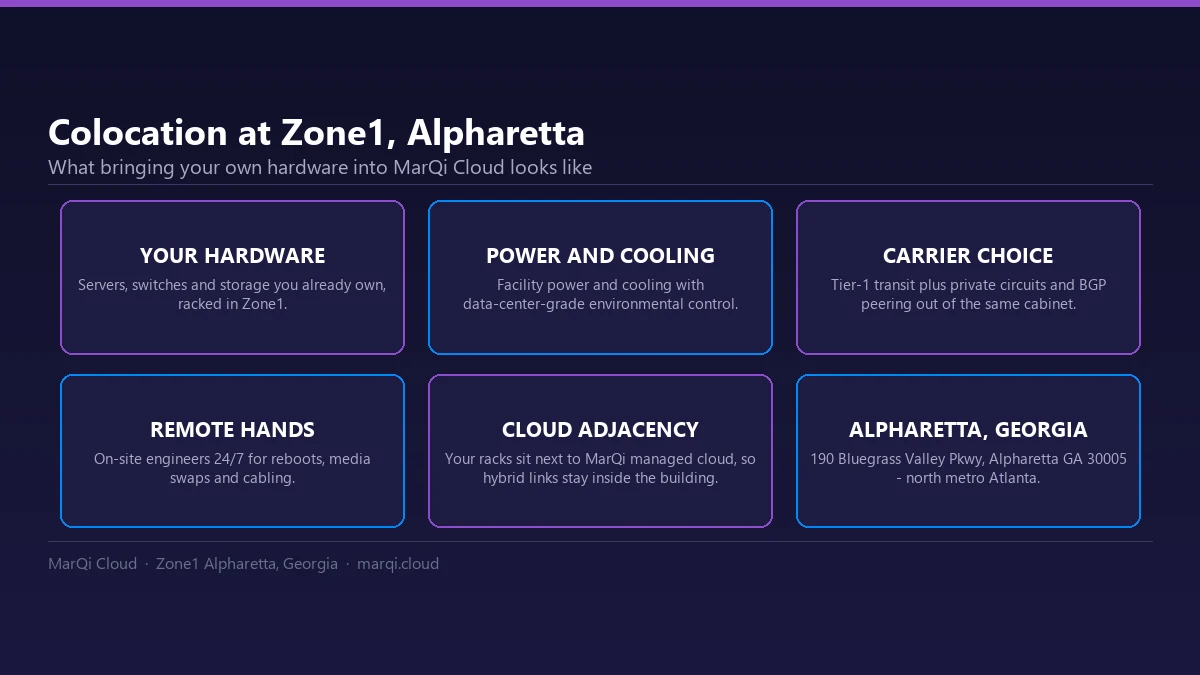
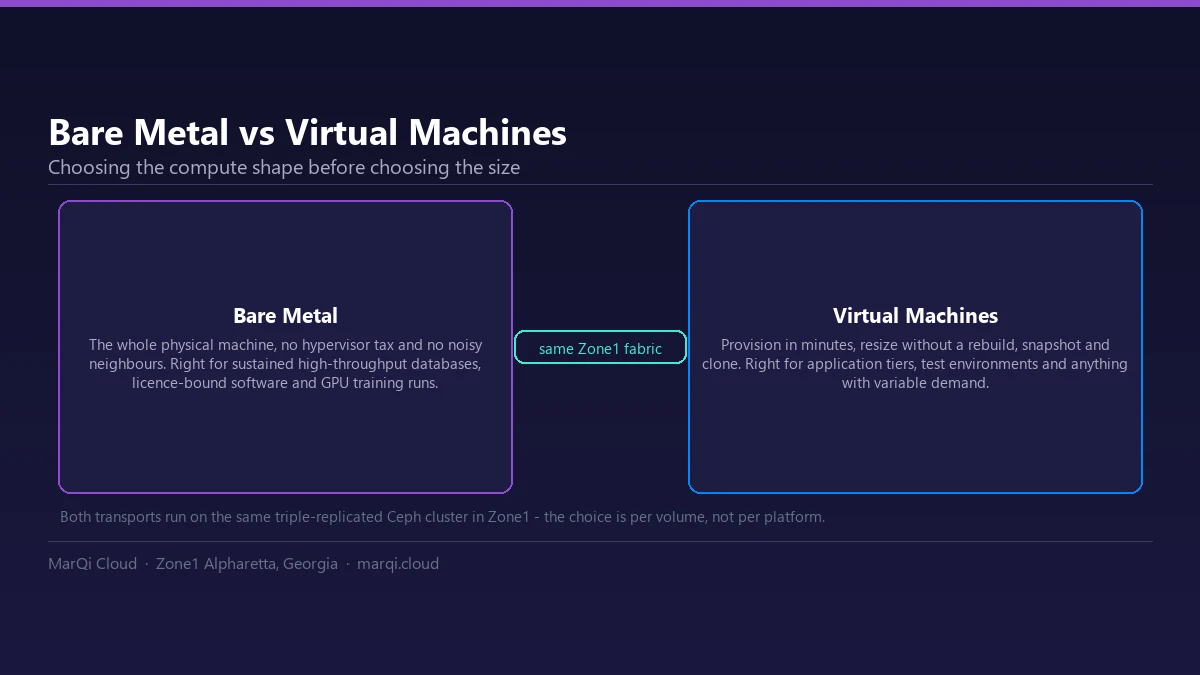
Colocation involves housing your servers and IT infrastructure in a third-party data center while retaining ownership and management responsibilities. In contrast, managed cloud infrastructure refers to utilizing cloud services where a provider manages the infrastructure, offering scalability, security, and support. The choice between the two can significantly impact your organization’s operational efficiency and cost structure.
Key Differences
| Feature | Colocation | Managed Cloud Infrastructure |
|---|---|---|
| Ownership | Organization owns hardware | Provider owns and manages hardware |
| Scalability | Limited by physical space | Highly scalable based on demand |
| Management | In-house management required | Provider handles management |
| Cost Structure | Fixed costs for space and power | Variable costs based on usage |
| Support | Limited to in-house IT | 24/7 support from provider |
Benefits of Migrating to Managed Cloud Infrastructure
Transitioning to a managed cloud infrastructure offers several advantages that can enhance your organization’s operational capabilities:
- Scalability: Managed cloud solutions allow organizations to scale resources up or down based on demand, enabling efficient resource utilization.
- Cost Efficiency: By eliminating the need for physical hardware and reducing maintenance costs, organizations can optimize their IT budgets.
- Enhanced Security: Managed cloud providers typically offer advanced security measures, including data encryption, compliance management, and regular security audits.
- Improved Performance: Cloud infrastructure can provide better performance through load balancing, optimized resource allocation, and high availability.
- Disaster Recovery: Managed cloud solutions often come with built-in disaster recovery options, ensuring business continuity in case of an outage.
Challenges in Migration
While the benefits of migrating to managed cloud infrastructure are compelling, several challenges may arise:
- Data Migration: Transferring large volumes of data can be complex and may require careful planning to avoid data loss.
- Compatibility Issues: Legacy systems may not be compatible with cloud environments, necessitating upgrades or replacements.
- Cost Management: Although cloud solutions can be cost-effective, organizations must monitor usage to avoid unexpected costs.
- Skill Gaps: Your team may need training or additional resources to manage the new environment effectively.
Steps to Successfully Migrate
To ensure a smooth transition from colocation to managed cloud infrastructure, follow these steps:
- Assess Your Current Infrastructure: Evaluate your existing colocation setup, identifying workloads, applications, and data that need to migrate.
- Define Your Objectives: Establish clear goals for the migration, such as cost savings, improved performance, or enhanced security.
- Select a Managed Cloud Provider: Choose a provider that aligns with your business needs, focusing on their expertise, support, and security measures. For example, MarQi Cloud offers tailored solutions for enterprise clients.
- Create a Migration Plan: Develop a comprehensive plan that outlines timelines, responsibilities, and resource allocation.
- Test the Migration: Conduct a pilot migration with non-critical applications to identify potential issues before the full transition.
- Execute the Migration: Implement the migration plan, ensuring minimal disruption to business operations.
- Monitor and Optimize: After migration, continuously monitor performance and optimize resource usage to achieve desired outcomes.
Best Practices for Managed Cloud Infrastructure
To maximize the advantages of managed cloud infrastructure, consider these best practices:
- Regularly Review Costs: Monitor cloud usage and costs to ensure alignment with your budget and operational needs.
- Implement Strong Security Measures: Utilize encryption, firewalls, and access controls to protect sensitive data.
- Stay Compliant: Ensure your cloud setup complies with industry regulations, especially for sectors like healthcare and finance. Resources like NIST provide guidelines for compliance.
- Utilize Automation: Leverage automation tools to streamline operations, reduce manual errors, and enhance efficiency.
- Invest in Training: Equip your team with the necessary skills to manage cloud resources effectively.
Cost Analysis: Colocation vs. Managed Cloud
Understanding the cost implications of both options is crucial for informed decision-making. Below is a comparative analysis:
| Cost Factor | Colocation | Managed Cloud Infrastructure |
|---|---|---|
| Initial Setup Costs | High (hardware, installation) | Lower (usage-based fees) |
| Maintenance Costs | Ongoing (staff, hardware upgrades) | Included in service fees |
| Scalability Costs | Higher (physical expansion) | Variable (pay-as-you-go) |
| Downtime Costs | Potentially high (manual recovery) | Lower (automated recovery) |
| Compliance Costs | Variable (depends on industry) | Typically included |
FAQs
1. What is colocation?
Colocation is a service where businesses can rent space in a third-party data center to house their servers and IT infrastructure while maintaining ownership and management responsibilities.
2. What are the advantages of managed cloud infrastructure?
Managed cloud infrastructure offers scalability, cost efficiency, enhanced security, improved performance, and built-in disaster recovery options.
3. How long does the migration process take?
The duration of the migration process can vary based on the complexity of your infrastructure and the amount of data being transferred. It can take anywhere from a few weeks to several months.
4. What challenges might I face during migration?
Challenges may include data migration complexity, compatibility issues with legacy systems, cost management, and skill gaps within your team.
5. How can I ensure data security during migration?
Utilize encryption, secure connections, and thorough planning to protect data during migration. Consulting with a managed cloud provider like MarQi Cloud can further enhance security measures.
6. Is managed cloud more cost-effective than colocation?
Managed cloud can be more cost-effective due to reduced hardware costs, variable pricing based on usage, and included maintenance services.
7. What should I look for in a managed cloud provider?
Consider factors such as expertise, security measures, compliance capabilities, support services, and scalability options when selecting a provider.
8. How can I optimize my managed cloud infrastructure?
Regularly review costs, implement strong security measures, utilize automation, and invest in training for your team to optimize your managed cloud infrastructure.
Conclusion
Migrating from colocation to managed cloud infrastructure is a strategic move that can enhance your organization’s agility and efficiency. By understanding the differences, benefits, and challenges, and following best practices, you can ensure a successful transition. For organizations looking to take the next step, MarQi Cloud provides tailored managed cloud solutions designed to meet your unique needs.