The Ultimate Guide to Migrating Email and Collaboration Systems to Cloud Infrastructure
July 17, 2026
The Complete Guide to Migrating from Colocation to Managed Cloud Infrastructure
July 17, 2026
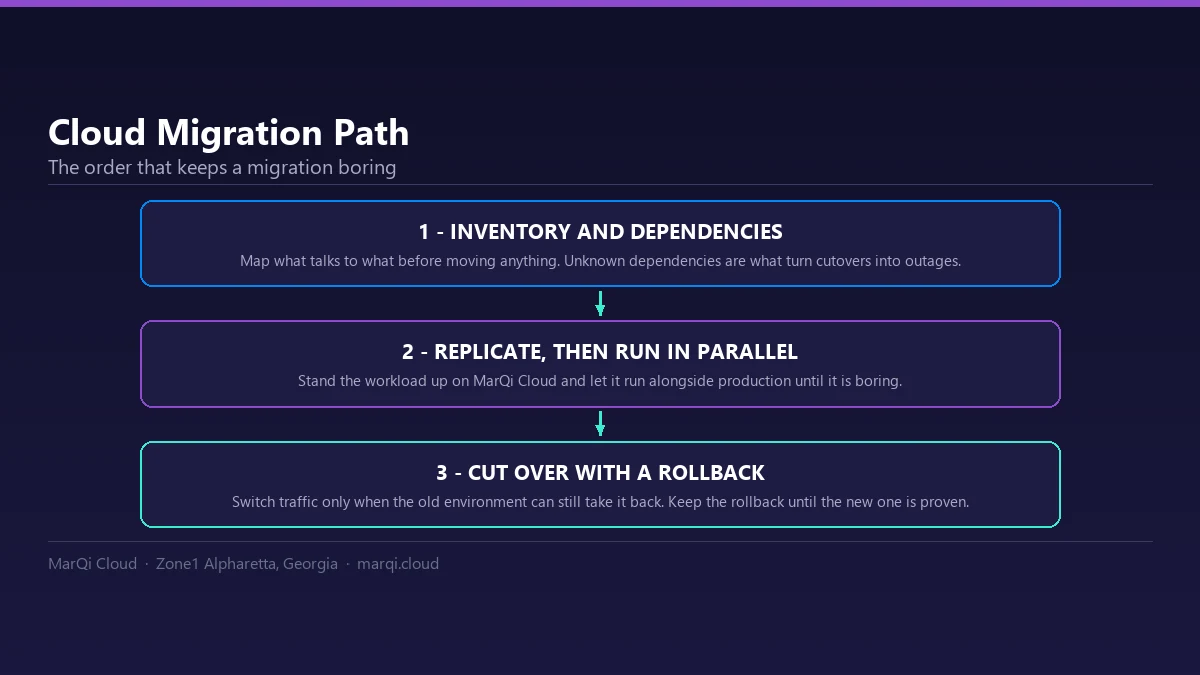
Why Cloud Migration Rollback Planning Safeguards Your Business
In today’s technology-driven landscape, organizations are increasingly shifting their operations to the cloud. While the benefits of cloud migration, such as enhanced scalability, flexibility, and cost-efficiency, are well-documented, the migration process itself can be fraught with challenges. One critical aspect that often goes overlooked is rollback planning. A comprehensive rollback plan is essential for any cloud migration strategy, as it serves as a safety net against unforeseen issues that might arise during or after the migration process. In this article, we will delve into why rollback planning is crucial for cloud migration, how it protects your organization, and best practices for implementing an effective rollback strategy.
Understanding Cloud Migration and Its Challenges
Cloud migration involves moving data, applications, and other business elements from on-premises infrastructure to cloud-based platforms. While the transition can lead to improved operational efficiencies, it also presents various challenges. Many organizations encounter unexpected issues during their cloud migration journeys. These challenges can range from data loss and downtime to compliance violations and performance issues. Therefore, understanding these potential pitfalls is essential for effective cloud migration.
Common Challenges in Cloud Migration
- Data Integrity Issues: Ensuring that data remains accurate and intact during the migration process is critical. Data corruption or loss can lead to significant operational disruptions.
- Downtime: Many organizations experience unexpected downtime during migration, which can impact customer satisfaction and revenue.
- Compliance Risks: Migrating sensitive data to the cloud may raise compliance concerns, especially for industries subject to strict regulations.
- Cost Overruns: Without proper planning, organizations can face unexpected costs associated with cloud resources and services.
What is Rollback Planning?
Rollback planning is a critical component of any cloud migration strategy. It involves creating a detailed plan that outlines the steps necessary to revert to the previous state if the migration encounters significant issues. This plan should include identifying the rollback triggers, defining the roles and responsibilities of team members, and establishing recovery timelines. Rollback planning ensures that organizations can quickly and efficiently restore their operations to normal in the event of a failure.
Key Elements of a Rollback Plan
- Rollback Triggers: Clearly define the conditions that would necessitate a rollback. This could include data corruption, significant performance degradation, or compliance violations.
- Backup Procedures: Ensure that comprehensive backups of all data and applications are in place before migration begins.
- Team Responsibilities: Assign specific roles to team members for executing the rollback plan, ensuring accountability and clarity.
- Testing the Rollback Plan: Regularly test the rollback plan to ensure that it can be executed smoothly and effectively when needed.
The Importance of Rollback Planning in Cloud Migration
Rollback planning is not just a safety net; it is a strategic necessity. Here are several reasons why organizations should prioritize rollback planning:
1. Minimizing Downtime
Unplanned downtime can be devastating for businesses. According to the Gartner Group, the average cost of IT downtime is $5,600 per minute. A rollback plan allows organizations to minimize downtime by quickly reverting to a stable environment.
2. Protecting Data Integrity
Data is often referred to as the lifeblood of organizations. A rollback plan ensures that data integrity is maintained, protecting sensitive information from corruption or loss during the migration process.
3. Enhancing Compliance
For organizations in regulated industries, compliance is non-negotiable. A rollback plan can help ensure that compliance requirements are met, as it allows for the restoration of data to its pre-migration state, thereby avoiding potential regulatory fines.
4. Building Stakeholder Confidence
Having a well-defined rollback plan can enhance stakeholder confidence in the migration process. It demonstrates that the organization is prepared for potential challenges, fostering trust among customers and partners.
Key Components of a Rollback Plan
A robust rollback plan should be comprehensive and well-structured. Here are the essential components that should be included:
1. Comprehensive Backup Strategy
Before initiating the migration, ensure that all data and applications are backed up. This includes not only the primary data but also configurations, settings, and any other critical components.
2. Detailed Rollback Procedures
Document step-by-step procedures for executing the rollback. This should include commands, scripts, and any other technical details necessary for a successful rollback.
3. Communication Plan
Establish a communication plan that outlines how updates will be shared with stakeholders during the migration process. This ensures that everyone is informed of the status and any potential issues.
4. Testing and Validation
Regularly test the rollback plan to ensure its effectiveness. This can involve simulating migration scenarios to identify potential weaknesses in the plan.
Best Practices for Effective Rollback Planning
To maximize the effectiveness of your rollback plan, consider the following best practices:
1. Involve Key Stakeholders
Engage relevant stakeholders in the planning process, including IT teams, compliance officers, and business leaders. Their input can help identify potential risks and ensure that the plan aligns with organizational goals.
2. Document Everything
Maintain thorough documentation of all aspects of the rollback plan. This includes backup procedures, rollback triggers, and team responsibilities.
3. Regularly Review and Update the Plan
As technology and business needs evolve, so should your rollback plan. Regularly review and update the plan to ensure its relevance and effectiveness.
4. Provide Training
Ensure that team members are trained on the rollback procedures. This includes familiarization with tools and technologies that will be used during the rollback process.
Case Study: Successful Rollback Planning in Action
To illustrate the importance of rollback planning, let’s consider a hypothetical case study involving a mid-sized financial services company that recently migrated to a cloud-based infrastructure.
Background
The company decided to move its operations to a hybrid cloud environment to enhance scalability and flexibility. However, they recognized the potential risks associated with migration and invested time in developing a comprehensive rollback plan.
Implementation
During the migration, the company encountered significant performance issues that affected customer transactions. Thanks to their well-defined rollback plan, the IT team was able to revert to the previous on-premises infrastructure within hours, minimizing downtime and preserving customer trust.
Results
As a result of their proactive approach to rollback planning, the company not only mitigated the risks associated with cloud migration but also gained valuable insights into their infrastructure needs, leading to a successful second attempt at migration.
Conclusion
Cloud migration can be a transformative journey for organizations, but it is not without its challenges. A well-thought-out rollback plan is essential for safeguarding against unforeseen issues that may arise during the migration process. By recognizing the importance of rollback planning and implementing best practices, organizations can minimize downtime, protect data integrity, enhance compliance, and build stakeholder confidence. For businesses considering cloud migration, investing in a comprehensive rollback strategy is not just a precaution; it is a vital component of a successful migration.
Frequently Asked Questions
1. What is rollback planning in cloud migration?
Rollback planning is the process of creating a strategy to revert to a previous state in case of issues during cloud migration.
2. Why is rollback planning important?
It minimizes downtime, protects data integrity, enhances compliance, and builds stakeholder confidence.
3. What should be included in a rollback plan?
A rollback plan should include comprehensive backup strategies, detailed rollback procedures, a communication plan, and testing protocols.
4. How can organizations test their rollback plan?
Organizations can simulate migration scenarios to identify potential weaknesses and ensure the rollback plan is effective.
5. Who should be involved in rollback planning?
Key stakeholders, including IT teams, compliance officers, and business leaders, should be involved in the planning process.
6. How often should rollback plans be reviewed?
Rollback plans should be reviewed regularly to ensure they remain relevant and effective as technology and business needs evolve.
7. What are the risks of not having a rollback plan?
Without a rollback plan, organizations may face extended downtime, data loss, compliance violations, and a loss of stakeholder trust.
8. How can I ensure data integrity during migration?
Implement comprehensive backup strategies and regularly test your rollback plan to ensure data integrity is maintained.