How Cloud Storage Deduplication Cuts Costs While Ensuring Data Integrity
September 15, 2026
Ultimate Guide to Building a Data Lake Architecture on Enterprise Cloud Infrastructure
September 15, 2026
The Complete Guide to Cloud Storage Migration Without Service Interruption
In today’s digital landscape, businesses are increasingly turning to cloud storage solutions for their flexibility, scalability, and cost-effectiveness. However, migrating data to the cloud can be a daunting task, especially when ensuring that service interruptions are minimized or avoided altogether. This comprehensive guide will walk you through the entire process of cloud storage migration, focusing on strategies to achieve a seamless transition without service interruption. You will gain insights into best practices, tools, and methodologies that can help you successfully migrate your data while maintaining business continuity.
Understanding Cloud Storage
Cloud storage refers to the online storage of data on remote servers accessed via the internet. Unlike traditional storage solutions that rely on local hardware, cloud storage enables businesses to store, manage, and retrieve data from anywhere at any time. This flexibility is crucial for organizations that require remote access and collaboration among team members.
Cloud storage solutions can be categorized into three primary types:
- Public Cloud: Services offered over the public internet, such as Amazon S3 or Google Cloud Storage.
- Private Cloud: Dedicated infrastructure for a single organization, providing enhanced security and control.
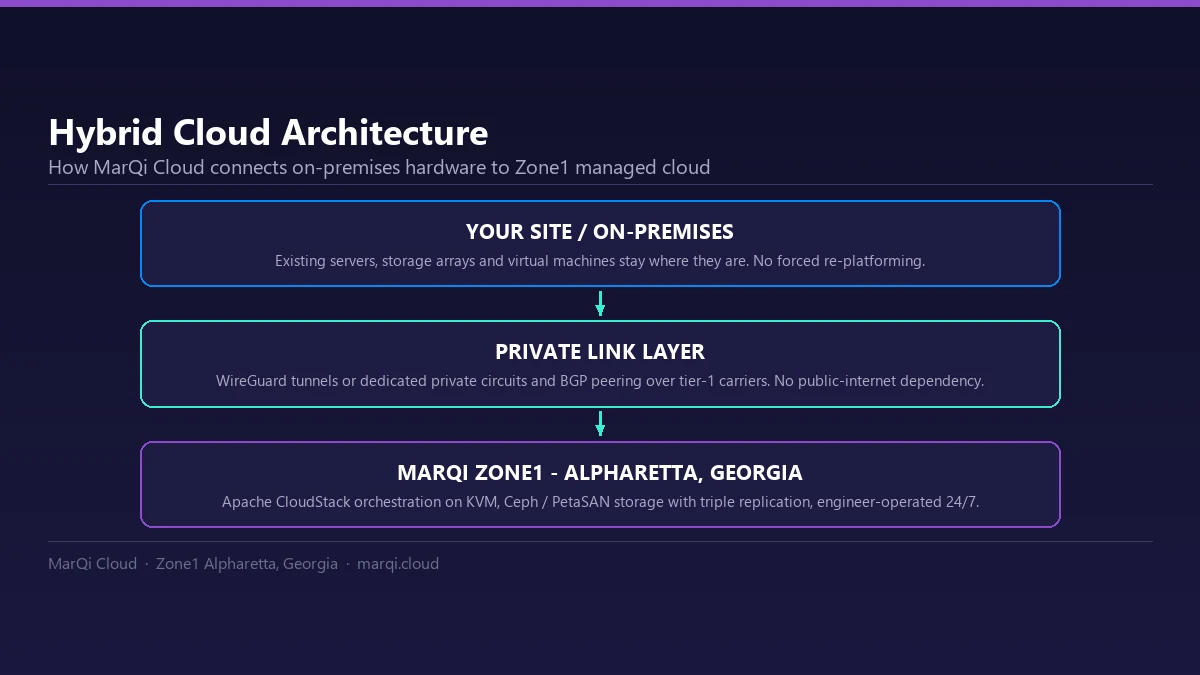
- Hybrid Cloud: A combination of public and private cloud solutions, allowing for greater flexibility and scalability.
Benefits of Cloud Storage
Adopting cloud storage brings numerous advantages, including:
- Cost Efficiency: Reduces the need for physical hardware and maintenance costs.
- Scalability: Easily scale storage resources up or down based on demand.
- Accessibility: Access data from any device with an internet connection.
- Collaboration: Enhanced collaboration capabilities for remote teams.
Moreover, businesses can leverage cloud storage for data backup and disaster recovery strategies, further enhancing their operational resilience. For more insights into disaster recovery, you can read about how MarQi Cloud handles disaster recovery.
Pre-Migration Planning
Successful cloud storage migration begins with thorough planning. Here are the key steps to consider:
1. Assess Current Infrastructure
Evaluate your existing data storage solutions to understand your current usage, performance, and potential bottlenecks. Identify which data sets are critical for your operations and prioritize them for migration.
2. Define Objectives
Establish clear objectives for your migration. Are you looking to improve accessibility, reduce costs, or enhance data security? Understanding your goals will guide your migration strategy.
3. Choose the Right Cloud Provider
Select a cloud provider that aligns with your business needs. Consider factors such as performance, security, compliance, and support. MarQi Cloud offers enterprise-grade cloud infrastructure that can meet the demands of mid-size to large organizations.
4. Develop a Migration Strategy
Choose a migration strategy that minimizes downtime. Options include:
- Big Bang Migration: Move all data at once during a scheduled window.
- Phased Migration: Gradually migrate data in stages, minimizing disruption.
- Hybrid Migration: Use a combination of on-premises and cloud resources during the transition.
Migration Strategies
Implementing the right migration strategy is crucial for a seamless transition. Below are detailed strategies and their respective advantages:
1. Big Bang Migration
This approach involves migrating all data in a single operation. While it can be faster, it requires meticulous planning to ensure that all systems are synchronized and that downtime is minimized. It is essential to schedule the migration during off-peak hours to reduce the impact on users.
2. Phased Migration
In a phased migration, data is transferred in smaller batches. This method allows for testing and validation of each phase, ensuring that any issues can be addressed without significant disruption. It is particularly effective for businesses with extensive data sets and critical applications.
3. Hybrid Migration
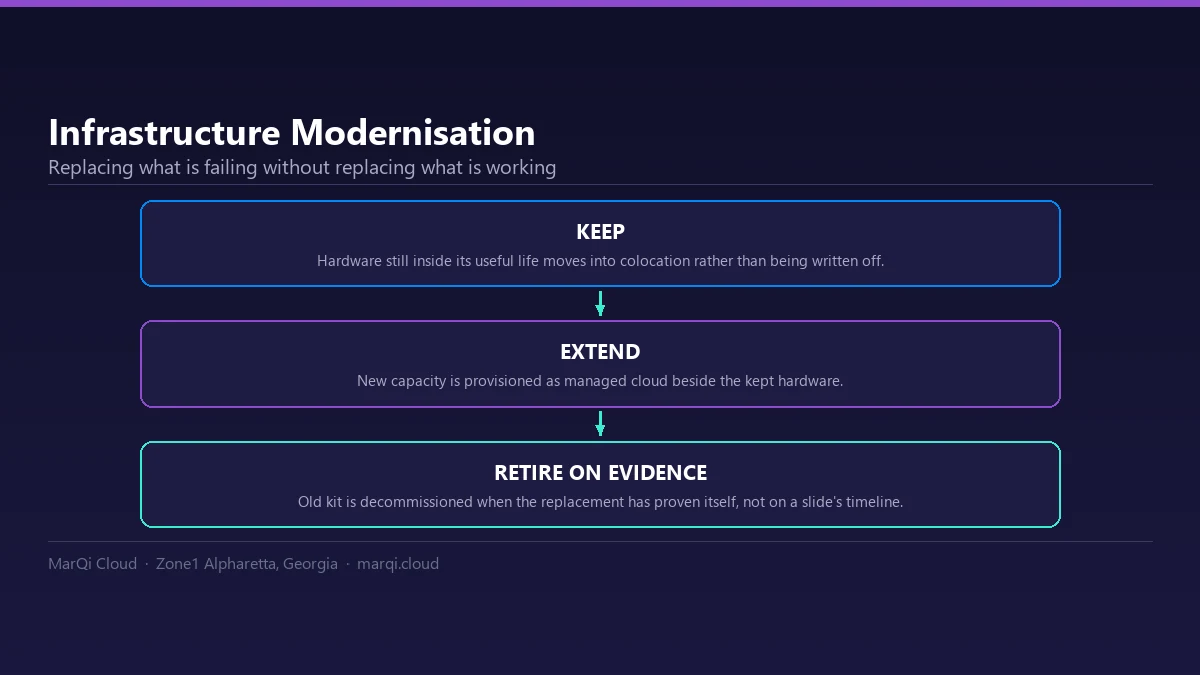
Hybrid migration combines elements of both big bang and phased migration. By using a mix of on-premises and cloud resources, organizations can maintain operations while transitioning to the cloud. This strategy is beneficial for businesses that require continuous access to data.
4. Continuous Data Protection (CDP)
CDP solutions enable real-time data replication to the cloud. This strategy ensures that data is consistently synchronized, allowing for immediate failover in case of service interruption. CDP is ideal for mission-critical applications where downtime is unacceptable.
5. Data Archiving
Consider archiving less frequently accessed data before migration. This step can reduce the volume of data that needs to be transferred, speeding up the migration process and lowering costs. Learn more about object storage vs. block storage vs. file storage to understand the best storage options for your needs.
Post-Migration Considerations
After successfully migrating your data to the cloud, several key considerations will help ensure ongoing success:
1. Validate Data Integrity
Once the migration is complete, conduct thorough checks to validate that all data has been transferred accurately. Implement data integrity checks to confirm that no corruption has occurred during the migration process.
2. Optimize Performance
Monitor the performance of your cloud storage solution and optimize configurations as necessary. This may include adjusting storage tiers, implementing caching strategies, or optimizing access protocols.
3. Train Employees
Ensure that your team is trained on the new cloud storage system. Providing adequate training will facilitate a smoother transition and enhance productivity.
4. Review Security Protocols
Evaluate and update your security protocols to align with best practices for cloud storage. This may involve implementing encryption, access controls, and compliance measures.
Case Studies
Examining real-world examples can provide valuable insights into successful cloud storage migrations. For instance, a mid-sized healthcare provider transitioned to a private cloud solution to enhance data security and compliance. By adopting a phased migration strategy, they achieved a smooth transition with minimal disruption to patient services.
In another example, a growing e-commerce business utilized hybrid cloud solutions to manage seasonal traffic spikes. By implementing continuous data protection, they maintained real-time access to critical data while migrating their entire catalog to the cloud.
Expert Tips for a Smooth Migration
Frequently Asked Questions
What is cloud storage migration?
Cloud storage migration involves transferring data from local or on-premises storage systems to cloud-based storage solutions.
How can I ensure a seamless cloud storage migration?
By conducting thorough planning, choosing the right migration strategy, and validating data integrity post-migration, you can achieve a seamless transition.
What are the benefits of cloud storage?
Benefits include cost efficiency, scalability, accessibility, and enhanced collaboration capabilities.
What are common challenges during cloud storage migration?
Challenges may include data integrity issues, service interruptions, and compatibility with existing applications.
How long does a cloud storage migration take?
The duration depends on the volume of data being migrated and the chosen migration strategy.
What is the difference between public and private cloud storage?
Public cloud storage is shared among multiple users, while private cloud storage is dedicated to a single organization.
Can I migrate to the cloud without downtime?
Yes, by using phased or hybrid migration strategies, you can minimize or eliminate downtime during the transition.
How do I choose a cloud storage provider?
Consider factors such as performance, security, compliance, support, and pricing when selecting a cloud storage provider.
Conclusion
Cloud storage migration is a critical step for businesses looking to leverage the benefits of cloud technology. By following the guidelines outlined in this comprehensive guide, you can ensure a smooth migration process that minimizes service interruptions. Remember to conduct thorough planning, choose the right migration strategy, and continuously monitor performance after the migration. If you’re ready to explore enterprise-grade cloud solutions, contact MarQi Cloud today to learn how we can assist you with your cloud storage migration needs.