The Complete Guide to Migrating from Colocation to Managed Cloud Infrastructure
July 17, 2026
Why Employee Training Is Essential for Successful Cloud Migration
July 17, 2026
What are the key compliance requirements for cloud migration?
Key compliance requirements vary by industry but typically include regulations such as HIPAA, GDPR, and PCI DSS.
Ultimate Guide to Handling Compliance Requirements During Cloud Migration
As organizations increasingly transition to cloud environments, navigating compliance requirements during a cloud migration project becomes a crucial challenge. Compliance not only involves adhering to legal standards but also ensuring that data integrity, security, and privacy are maintained throughout the migration process. In this comprehensive guide, we will explore how to effectively handle compliance requirements during cloud migration, detailing strategies, best practices, and expert insights that empower organizations to migrate to the cloud confidently.
Understanding Compliance Requirements
Before embarking on a cloud migration project, it is essential to understand the compliance landscape relevant to your organization. Compliance requirements can vary significantly based on industry, geographic location, and the type of data being handled. Common regulations that organizations must consider include:
- Health Insurance Portability and Accountability Act (HIPAA): For healthcare organizations, ensuring the privacy and security of patient information is paramount.
- General Data Protection Regulation (GDPR): This regulation governs data protection and privacy for individuals within the European Union and the European Economic Area.
- Federal Information Security Management Act (FISMA): Applicable to federal agencies, this act requires the development, documentation, and implementation of an information security program.
- Payment Card Industry Data Security Standard (PCI DSS): Organizations handling credit card transactions must comply with this standard to secure cardholder data.
Understanding these regulations and how they apply to your organization is the first step in ensuring compliance during your cloud migration. For a more detailed overview of compliance in the cloud, you can explore why US-based cloud infrastructure matters for data sovereignty and compliance.
Planning Your Migration with Compliance in Mind
A successful cloud migration project begins with meticulous planning. This phase should include:
1. Conducting a Compliance Assessment
Begin by assessing your current compliance posture. Identify existing policies, procedures, and controls that need to be adapted or enhanced when moving to the cloud. This assessment should involve:
- Reviewing current compliance frameworks and regulations.
- Engaging stakeholders from various departments (IT, legal, compliance, and security).
- Identifying potential compliance gaps that could arise during migration.
2. Developing a Compliance Strategy
Once you have assessed your compliance landscape, develop a comprehensive compliance strategy that integrates seamlessly into your overall cloud migration plan. This strategy should outline:
- Specific compliance requirements to be met during and after migration.
- Risk management strategies to address potential compliance breaches.
- Roles and responsibilities for compliance oversight during the migration.
3. Choosing the Right Cloud Provider
Choosing the right cloud provider is critical to meeting compliance requirements. Evaluate potential providers based on their compliance certifications, data protection measures, and their ability to support your compliance needs. Look for providers that offer:
- Compliance with relevant regulations (e.g., HIPAA, GDPR, PCI DSS).
- Robust data security measures, including encryption and access controls.
- Transparent service level agreements (SLAs) that define compliance responsibilities.
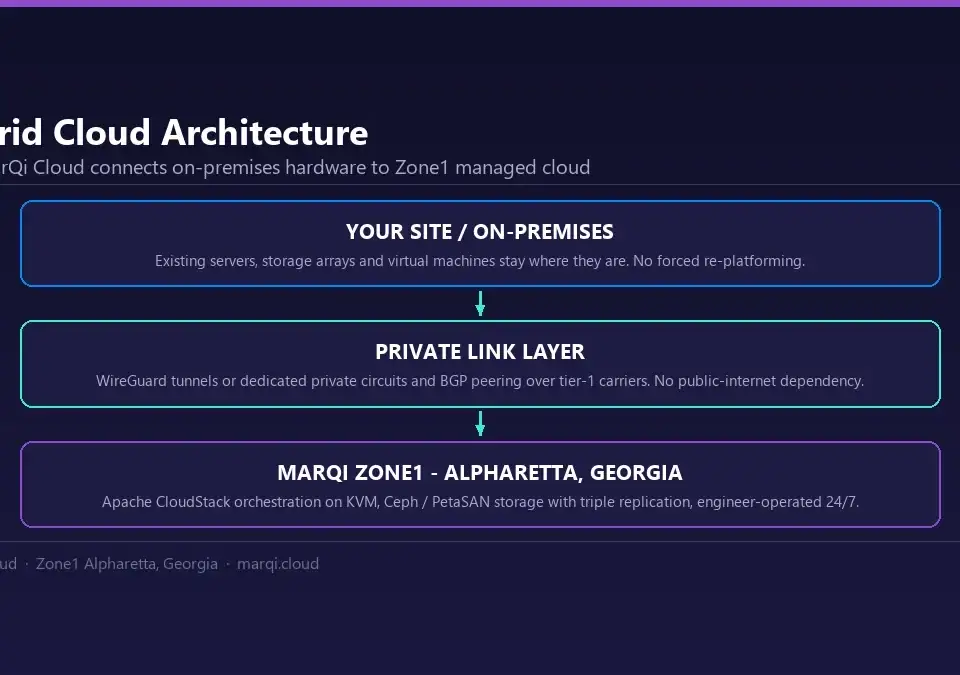
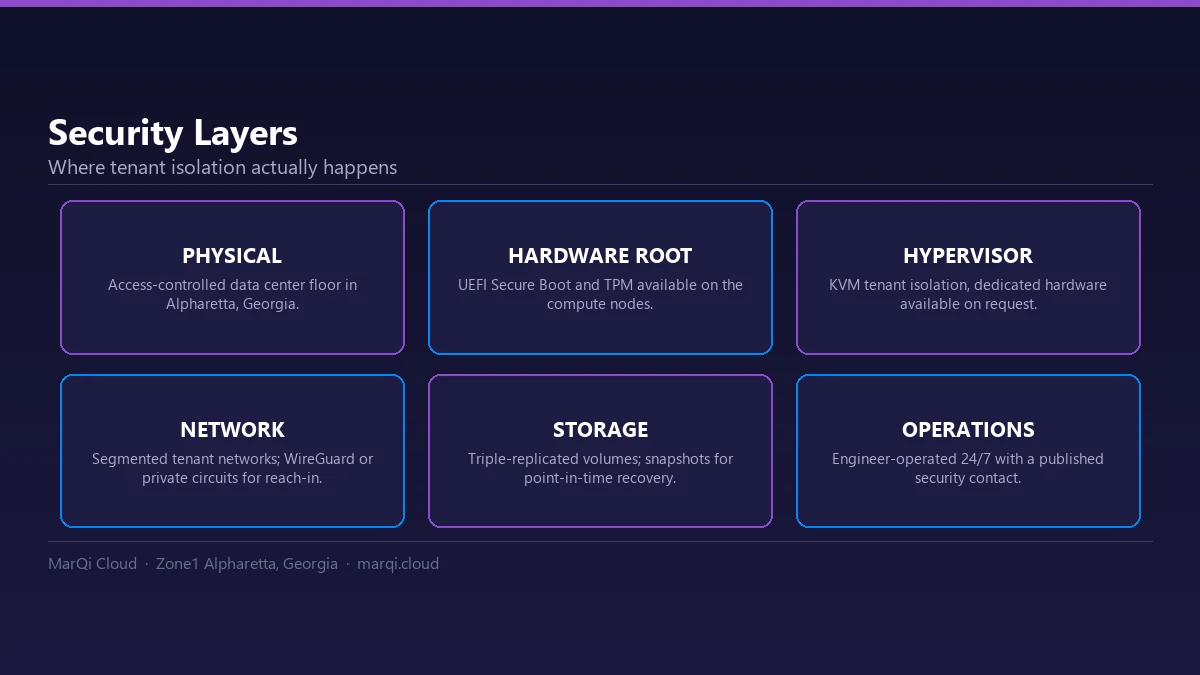
At MarQi Cloud, we offer enterprise-grade cloud infrastructure that is designed with compliance and security in mind. Our hybrid cloud solutions provide the flexibility and control that strict compliance programs build on; the compliance itself stays with your organization.
Executing the Migration: Key Steps
With a solid plan in place, the next step is to execute the migration while maintaining compliance. Here are key steps to follow:
1. Data Classification
Before transferring data to the cloud, classify it based on its sensitivity and compliance requirements. This classification will guide how data should be handled, protected, and stored in the cloud environment.
2. Implementing Security Controls
Implement security controls that align with compliance requirements during the migration. This may include:
- Data encryption both in transit and at rest.
- Access control policies that restrict data access.
- Regular security audits and vulnerability assessments.
3. Training and Awareness
Ensure that all team members involved in the migration understand compliance requirements and their roles in maintaining compliance. Provide training sessions that cover:
- Data handling and security best practices.
- Compliance requirements relevant to their roles.
- How to report compliance issues during the migration.
4. Continuous Monitoring
During the migration, continuously monitor compliance status. Use automated tools to track compliance metrics and identify any potential issues in real time. This proactive approach helps mitigate risks before they escalate.
Post-Migration Auditing and Validation
After completing the migration, conducting a thorough audit is essential to ensure compliance has been maintained. This auditing phase should include:
1. Compliance Validation
Validate that all compliance requirements have been met. This involves reviewing:
- Data storage and protection measures.
- Access controls and user permissions.
- Audit logs to ensure data integrity.
2. Identifying Gaps
Identify any compliance gaps that may have arisen during the migration process. This should involve:
- Assessing whether any data was mishandled during the migration.
- Reviewing compliance documentation for completeness.
3. Remediation Strategies
Develop and implement remediation strategies to address any identified compliance gaps. This may include:
- Updating policies and procedures.
- Implementing additional security measures.
- Conducting further training for staff.
Common Compliance Challenges in Cloud Migration
Organizations often encounter several challenges while managing compliance during cloud migration. Some of the most common challenges include:
- Data Sovereignty: Understanding where data is stored and how different jurisdictions impact compliance.
- Legacy Systems: Integrating legacy systems with cloud environments can create compliance issues.
- Dynamic Regulatory Landscape: Keeping up with changing regulations can be daunting.
Best Practices for Ensuring Compliance
To navigate the complexities of compliance during cloud migration effectively, consider the following best practices:
- Engage Compliance Experts: Work with compliance specialists who understand the regulatory landscape relevant to your industry.
- Leverage Automation: Utilize compliance automation tools to streamline monitoring and reporting processes.
- Maintain Open Communication: Foster communication between IT, legal, and compliance teams to ensure alignment on compliance requirements.
FAQ
What are the key compliance requirements for cloud migration?
Key compliance requirements vary by industry but typically include regulations such as HIPAA, GDPR, and PCI DSS.
How can I ensure data security during cloud migration?
Implement data encryption, access controls, and continuous monitoring to ensure data security throughout the migration process.
What should I do if I encounter compliance issues during migration?
Address compliance issues promptly by engaging relevant stakeholders and implementing remediation strategies to rectify any gaps.
How often should I review my compliance strategy?
Regular reviews should be conducted at least annually or whenever significant changes occur in regulations or your business model.
Can I automate compliance monitoring in the cloud?
Yes, many cloud service providers offer compliance automation tools that simplify monitoring and reporting processes.
What role does training play in compliance during cloud migration?
Training ensures that all team members understand compliance requirements and their responsibilities, reducing the risk of non-compliance.
How can I choose the right cloud provider with respect to compliance?
Evaluate providers based on their compliance certifications, data protection measures, and transparency regarding SLAs.
What is the importance of post-migration auditing?
Post-migration auditing is crucial for validating compliance, identifying gaps, and ensuring that all requirements have been met.
How can I handle compliance for sensitive data during migration?
For sensitive data, implement stricter controls such as enhanced encryption, limited access, and thorough auditing procedures.
What are the risks of non-compliance during cloud migration?
Non-compliance can lead to severe penalties, legal issues, and damage to your organization’s reputation.
How does MarQi Cloud support compliance during migration?
MarQi Cloud offers enterprise-grade infrastructure whose controls support compliance requirements during migration, with a focus on security and data integrity; your organization evidences its own compliance.