Guaranteed Bandwidth: How Dedicated Internet Access Fuels Cloud-Connected Offices
September 3, 2026
The Complete Guide to Cloud DNS Architecture for High-Availability Applications
September 3, 2026
Why Cloud Network Segmentation Prevents Lateral Movement of Security Threats
In today’s digital landscape, organizations face a multitude of security threats that are becoming increasingly sophisticated. One of the most effective strategies to mitigate these risks is through cloud network segmentation. This approach not only enhances security but also limits the lateral movement of threats within an organization’s network. In this article, we will explore the importance of cloud network segmentation, how it works, and why it is essential for protecting sensitive data and maintaining compliance.
What is Cloud Network Segmentation?
Cloud network segmentation refers to the practice of dividing a cloud environment into smaller, manageable segments or zones. This process helps isolate workloads, applications, and data, minimizing the risk of unauthorized access and ensuring that threats cannot easily traverse the network. By implementing segmentation, organizations can create secure zones that protect sensitive data and critical applications from external and internal threats.
Why is Network Segmentation Important?
Network segmentation is crucial for several reasons:
- Enhanced Security: By isolating different parts of the network, organizations can prevent attackers from easily moving laterally within the network, thereby reducing the risk of data breaches.
- Improved Compliance: Regulatory requirements often mandate strict controls over sensitive data. Segmentation helps organizations meet compliance standards by providing a clear boundary around sensitive information.
- Reduced Attack Surface: Segmenting the network minimizes the number of entry points available for cybercriminals, making it more difficult for them to exploit vulnerabilities.
- Better Performance: Segmentation can improve network performance by reducing congestion and optimizing resource allocation.
How Cloud Network Segmentation Works
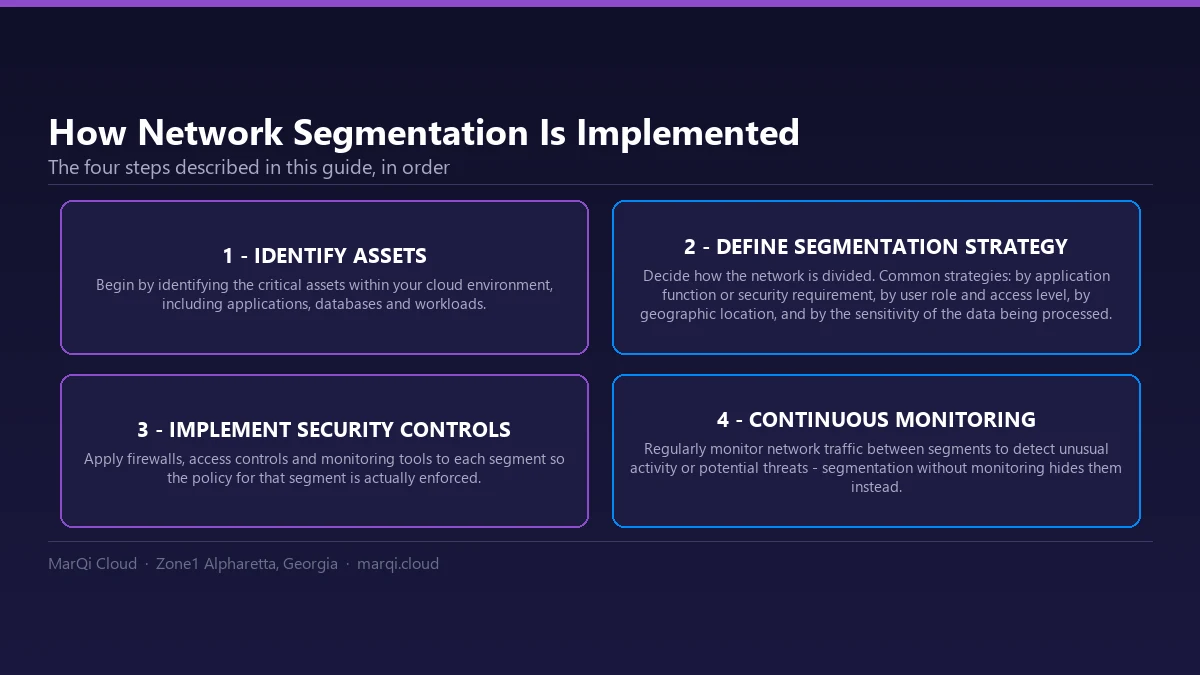
Cloud network segmentation works by creating distinct network segments, each with its own security policies and controls. Here’s a breakdown of how it is typically implemented:
- Identify Assets: Begin by identifying the critical assets within your cloud environment, including applications, databases, and workloads.
- Define Segmentation Strategy: Determine how you want to segment your network. Common strategies include:
| Segmentation Strategy | Description |
|---|---|
| Application Segmentation | Isolating applications based on their function or security requirements. |
| User Segmentation | Creating segments based on user roles and access levels. |
| Geographic Segmentation | Segmenting the network based on geographical locations. |
| Data Classification | Segmenting based on the sensitivity of the data being processed. |
- Implement Security Controls: Apply firewalls, access controls, and monitoring tools to each segment to enforce security policies.
- Continuous Monitoring: Regularly monitor network traffic between segments to detect any unusual activity or potential threats.
Benefits of Cloud Network Segmentation
Implementing cloud network segmentation offers several key benefits:
- Mitigates Lateral Movement: By creating barriers within the network, segmentation prevents attackers from easily moving from one compromised system to another.
- Enhanced Incident Response: In the event of a breach, segmentation allows for quicker containment and remediation efforts, limiting the impact of the attack.
- Customizable Security Policies: Different segments can have tailored security policies based on the specific needs of the applications and data they contain.
- Improved Visibility: Segmentation provides better visibility into network traffic and potential vulnerabilities, enabling proactive security measures.
Best Practices for Implementing Cloud Network Segmentation
To effectively implement cloud network segmentation, consider the following best practices:
- Conduct a Risk Assessment: Regularly assess the risks associated with your cloud environment and adjust your segmentation strategy accordingly.
- Use Automation: Implement automated tools for monitoring and managing segmentation policies to ensure compliance and enhance security.
- Regularly Update Policies: Continuously review and update your segmentation policies to adapt to changing business needs and emerging threats.
- Educate Employees: Train employees on the importance of network segmentation and their role in maintaining security.
Common Mistakes to Avoid in Network Segmentation
While implementing network segmentation, organizations should avoid common pitfalls:
- Over-segmentation: Creating too many segments can lead to management complexity and hinder performance.
- Neglecting Monitoring: Failing to monitor traffic between segments can allow threats to go undetected.
- Inconsistent Policies: Ensure that security policies are consistently applied across all segments to prevent vulnerabilities.
Case Studies and Examples
Several organizations have successfully implemented cloud network segmentation to enhance their security posture:
- Healthcare Organizations: Many healthcare providers use segmentation to protect patient data and comply with regulations such as HIPAA. By isolating sensitive information, they reduce the risk of data breaches.
- Financial Institutions: Banks and financial services companies often segment their networks to protect against fraud and unauthorized access to sensitive financial information.
- Government Agencies: Many government entities implement strict segmentation to safeguard classified information and maintain national security.
Conclusion
In conclusion, cloud network segmentation is a critical strategy for preventing lateral movement of security threats within an organization’s network. By isolating applications, data, and workloads, organizations can enhance their security posture, improve compliance, and reduce the risk of data breaches. Implementing best practices and avoiding common mistakes will ensure that your segmentation strategy is effective and sustainable. For organizations looking to enhance their security measures, MarQi Cloud offers enterprise-grade cloud infrastructure and secure hosting solutions tailored to your needs. Contact us today to learn more about how we can help you implement effective cloud network segmentation strategies.
FAQ
What is cloud network segmentation?
Cloud network segmentation is the practice of dividing a cloud environment into smaller segments to enhance security and control access to sensitive data.
Why is network segmentation important for security?
Network segmentation helps prevent lateral movement of security threats, improves compliance, reduces the attack surface, and enhances overall network performance.
How do I implement cloud network segmentation?
Implement cloud network segmentation by identifying critical assets, defining a segmentation strategy, applying security controls, and continuously monitoring network traffic.
What are some best practices for network segmentation?
Best practices include conducting regular risk assessments, using automation, updating policies, and educating employees about security.
What mistakes should I avoid when implementing segmentation?
Avoid over-segmentation, neglecting monitoring, and inconsistent policies across segments.
How does segmentation improve incident response?
Segmentation allows for quicker containment and remediation efforts during a security incident, limiting the impact of the breach.
Can segmentation help with compliance requirements?
Yes, segmentation helps organizations meet regulatory requirements by providing clear boundaries around sensitive data.
What industries benefit most from cloud network segmentation?
Industries such as healthcare, finance, and government benefit significantly from cloud network segmentation due to the sensitivity of their data and regulatory requirements.