Atlanta-Based AI Hosting Success Stories: Transforming Businesses with Cloud Solutions
March 29, 2026
AI Compute Infrastructure Planning Guide: Building a Robust Foundation for AI Deployments
March 29, 2026
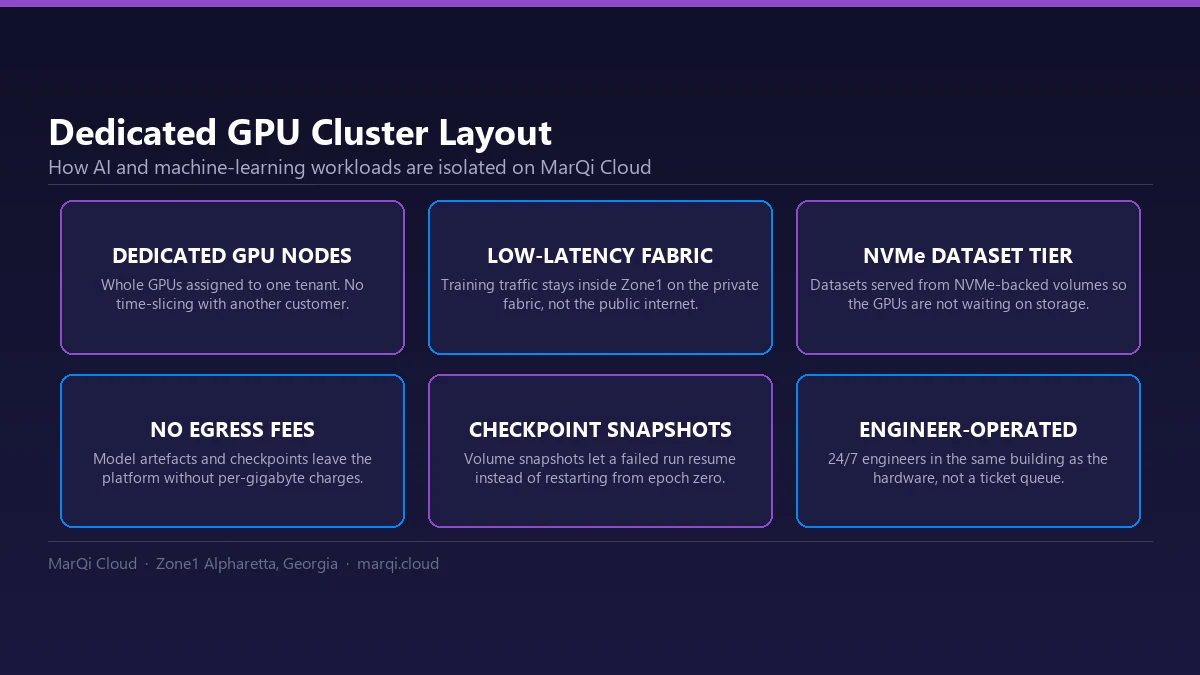
Effective Strategies to Reduce GPU Downtime for Optimal Performance
In today’s data-driven world, the demand for high-performance computing is ever-increasing. Graphics Processing Units (GPUs) play a crucial role in handling complex computations, especially in fields such as machine learning, gaming, and scientific simulations. However, GPU downtime can significantly hinder productivity and increase operational costs. In this article, we will explore effective strategies to reduce GPU downtime, ensuring optimal performance and reliability.
Understanding GPU Downtime
Before diving into the strategies to mitigate GPU downtime, it is essential to understand what GPU downtime is and its implications. GPU downtime refers to the period when a GPU is unavailable for processing tasks due to failures, maintenance, or other issues. This downtime can arise from various factors, including hardware malfunctions, software conflicts, and thermal issues.
Impact of GPU Downtime
The impact of GPU downtime can be significant, leading to:
- Loss of productivity: Delays in processing can slow down projects and affect deadlines.
- Increased costs: Prolonged downtime may require additional resources to troubleshoot and resolve issues.
- Reputation damage: Frequent downtime can affect client trust and company credibility.
Strategies to Reduce GPU Downtime
Reducing GPU downtime requires a proactive approach. Here are several effective strategies that organizations can implement:
1. Regular Maintenance and Monitoring
Regular maintenance of GPU hardware and software is crucial in preventing downtime. This includes:
- Routine inspections: Regularly check for signs of wear and tear, overheating, or dust accumulation.
- Software updates: Keep drivers and relevant software up to date to prevent compatibility issues.
- Performance monitoring: Utilize monitoring tools to track GPU performance and identify potential bottlenecks before they become critical.
2. Implementing Redundancy
Implementing redundancy in your infrastructure can significantly minimize downtime. Consider the following approaches:
- Redundant GPUs: Using multiple GPUs for the same workload can ensure that if one fails, the others can take over.
- Load balancing: Distributing workloads across multiple GPUs can prevent any single GPU from becoming a point of failure.
3. Optimizing Cooling Solutions
Thermal issues are one of the leading causes of GPU failures. To optimize cooling:
- Invest in quality cooling systems: Ensure that your GPUs are equipped with adequate cooling solutions, such as fans or liquid cooling.
- Monitor temperatures: Use monitoring tools to keep an eye on GPU temperatures and take corrective action when necessary.
4. Utilizing Cloud Services
Transitioning to cloud-based GPU services can provide flexibility and reduce downtime. Benefits include:
- Scalability: Easily scale resources up or down based on demand.
- Built-in redundancy: Cloud providers often have redundant systems in place to minimize the risk of downtime.
5. Training and Documentation
Ensuring that your team is well-trained and informed can minimize errors that lead to downtime. Consider the following:
- Regular training sessions: Keep your team updated on the latest technologies and troubleshooting techniques.
- Comprehensive documentation: Maintain clear documentation of processes and procedures for handling GPU-related issues.
Best Practices for GPU Management
In addition to the strategies mentioned above, implementing best practices for GPU management can further reduce downtime:
1. Establish Clear Protocols
Define clear protocols for monitoring, maintenance, and incident response. This will ensure that team members know their responsibilities and can act quickly in case of issues.
2. Utilize Automated Tools
Leverage automated monitoring and management tools to streamline processes and minimize human error. Automated alerts can notify you of potential issues before they escalate.
3. Conduct Regular Audits
Regular audits of your GPU infrastructure can help identify weaknesses and areas for improvement. Addressing these issues proactively can prevent future downtime.
Conclusion
Reducing GPU downtime is essential for maintaining high performance and productivity in today’s competitive environment. By implementing regular maintenance, optimizing cooling solutions, utilizing redundancy, transitioning to cloud services, and ensuring proper training, organizations can significantly minimize the risk of downtime. Taking these proactive steps will not only improve the reliability of your GPU infrastructure but also enhance overall operational efficiency.
FAQ
1. What is GPU downtime?
GPU downtime refers to the period when a Graphics Processing Unit is unavailable for processing tasks due to failures, maintenance, or other issues.
2. What are the main causes of GPU downtime?
The main causes of GPU downtime include hardware malfunctions, software conflicts, thermal issues, and inadequate maintenance.
3. How can regular maintenance help reduce GPU downtime?
Regular maintenance helps prevent issues before they escalate, ensuring that hardware and software are functioning optimally.
4. What is redundancy in GPU infrastructure?
Redundancy involves having multiple GPUs or systems in place to ensure that if one fails, others can take over, minimizing downtime.
5. Why is cooling important for GPU performance?
Proper cooling prevents overheating, which is a common cause of GPU failures. Adequate cooling ensures the longevity and reliability of GPUs.
6. How can cloud services help reduce GPU downtime?
Cloud services provide scalability, built-in redundancy, and access to advanced resources, which can help minimize the risk of downtime.
7. What should be included in GPU management best practices?
Best practices should include clear protocols, automated tools, regular audits, and ongoing training for team members.
8. How often should GPU maintenance be performed?
GPU maintenance should be performed regularly, with inspections and updates scheduled based on usage and performance metrics.
9. What tools can be used to monitor GPU performance?
There are various tools available, such as GPU-Z, MSI Afterburner, and NVIDIA System Management Interface (nvidia-smi), which provide real-time monitoring of GPU performance.
10. What are the financial implications of GPU downtime?
GPU downtime can lead to increased operational costs, project delays, and potential loss of clients, ultimately impacting overall profitability.