Why MarQi Cloud Customers Don’t Get Punished for Scaling (Unlike Other Providers)
April 5, 2026
The MarQi Cloud Production Checklist: 15 Things to Configure Before Going Live
April 5, 2026
How to Deploy a Full-Stack Application on MarQi Cloud in Under 20 Minutes
Introduction
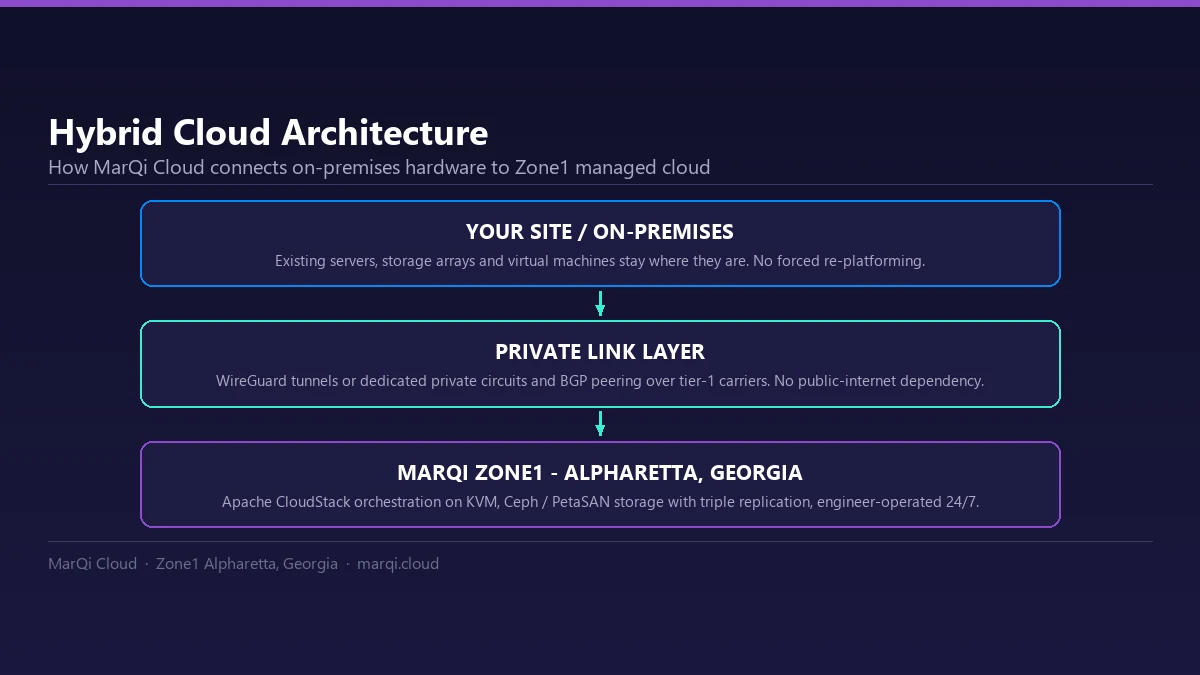
In today’s fast-paced digital landscape, deploying applications quickly and efficiently is vital for staying ahead of the competition. With MarQi Cloud’s enterprise-grade cloud infrastructure, deploying a full-stack application has never been easier. In this article, we will guide you through the process of deploying a full-stack application on MarQi Cloud in under 20 minutes, leveraging hybrid cloud deployment models and scalable resources.
What is a Full-Stack Application?
A full-stack application consists of both front-end and back-end components, enabling users to interact with the application seamlessly. The front-end is what users see and interact with, while the back-end powers the application, handling data storage, business logic, and server-side operations. Typically, a full-stack application includes:
- Front-End: HTML, CSS, and JavaScript frameworks
- Back-End: Server, database, and application logic
- APIs: Allow communication between front-end and back-end components
Why Choose MarQi Cloud?
MarQi Cloud offers a variety of advantages for deploying full-stack applications:
- Enterprise-Grade Infrastructure: Built to handle demanding workloads with high availability.
- Hybrid Cloud Deployment Models: Flexibility to combine private and public cloud resources.
- Private and Secure Hosting Environments: Ensuring data privacy and compliance.
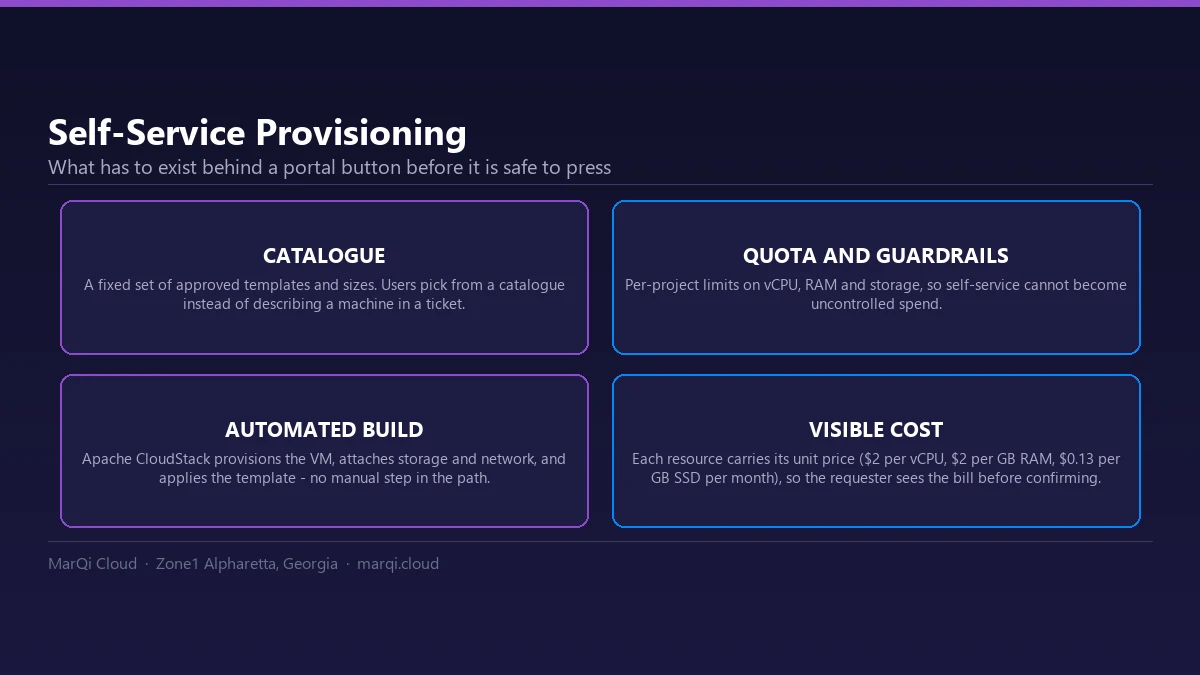
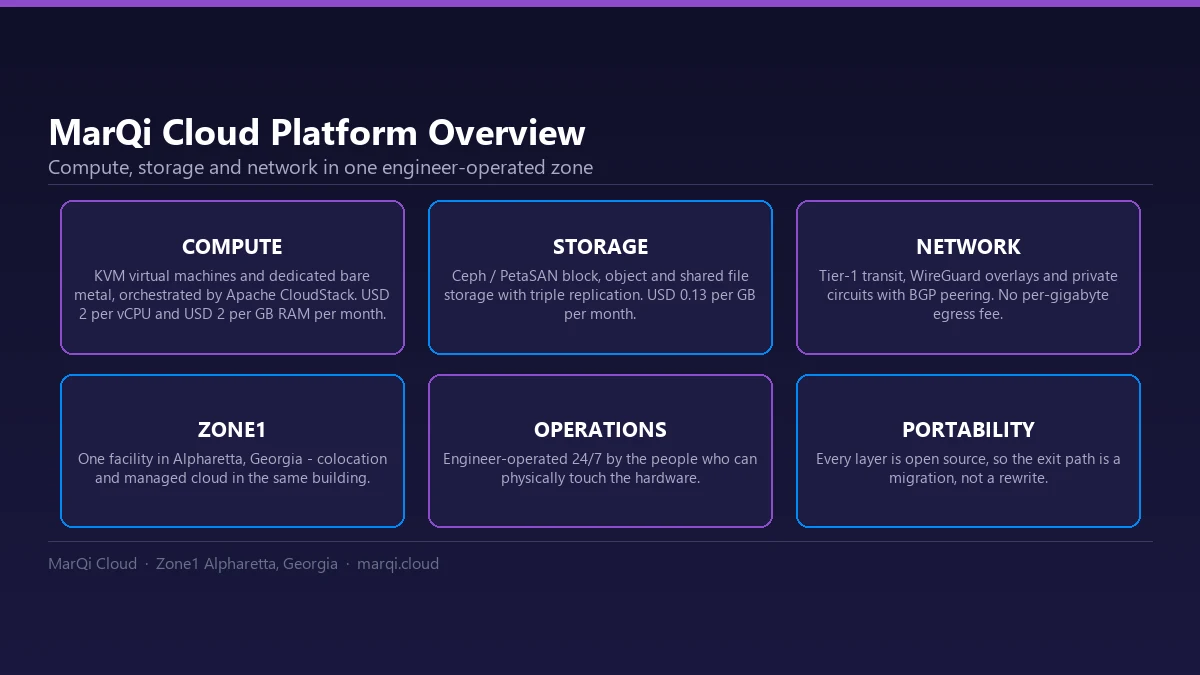
- Scalable Compute and Storage Resources: Easily adjust resources based on demand.
- Business Continuity and Disaster Recovery Solutions: Protecting your data and ensuring uptime.
- Performance-Driven Infrastructure Design: Optimized for speed and efficiency.
- US-Based Infrastructure and Support: Reliable support and compliance with local regulations.
- Flexible Pricing Models: Pay-as-you-go options to suit different budgets.
Step-by-Step Guide to Deployment
Step 1: Setting Up Your MarQi Cloud Account
Before deploying your full-stack application, you need to create a MarQi Cloud account. Here’s how:
- Visit the MarQi Cloud website.
- Click on the ‘Sign Up’ button and fill out the registration form.
- Verify your email address to activate your account.
Step 2: Choosing Your Deployment Model
MarQi Cloud supports hybrid cloud deployment. Decide whether you need a purely private cloud environment or a mix of public and private resources based on your application’s requirements.
Step 3: Configuring Your Application Environment
Once logged into your MarQi Cloud dashboard, follow these steps to configure your environment:
- Select the ‘Create New Instance’ option.
- Choose your preferred operating system (e.g., Ubuntu, CentOS).
- Decide on your instance size based on the expected load and performance needs.
- Configure storage options, choosing SSD for faster performance.
Step 4: Deploying the Back-End
For the back-end, you’ll typically use a framework like Node.js, Express, or Django. Here’s how to set it up:
- SSH into your instance using the terminal.
- Install the necessary dependencies (e.g., Node.js or Python).
- Clone your back-end repository from GitHub or your version control system.
- Install required libraries and frameworks.
- Set up your database (e.g., MySQL, MongoDB) on a separate instance or use a managed database service.
Step 5: Deploying the Front-End
For the front-end, you might use frameworks like React, Vue.js, or Angular. Follow these steps:
- Navigate to the front-end directory in your terminal.
- Install necessary packages and dependencies.
- Build your front-end application.
- Deploy your front-end files to a web server using Nginx or Apache.
Step 6: Configuring the API
Ensure that your front-end can communicate with your back-end through APIs:
- Set up CORS (Cross-Origin Resource Sharing) on your back-end server.
- Test API endpoints using Postman or similar tools.
- Ensure your API endpoints are secure and optimized.
Step 7: Setting Up Monitoring and Scaling
After deploying, implement monitoring tools to keep track of performance:
- Use MarQi Cloud’s built-in monitoring tools to track resource usage.
- Set up auto-scaling based on traffic and usage patterns.
- Regularly review your application’s performance metrics.
Step 8: Final Testing
Before going live, conduct thorough testing:
- Perform unit tests on your application.
- Conduct integration tests to ensure all components work together.
- Gather feedback from beta users if possible.
Conclusion
Deploying a full-stack application on MarQi Cloud in under 20 minutes is achievable with the right tools and processes. By leveraging MarQi Cloud’s enterprise-grade infrastructure and hybrid deployment options, you can ensure a robust, scalable, and secure application environment. Don’t hesitate to utilize MarQi Cloud’s flexible pricing models to find a solution that fits your business needs.
FAQ
1. What is MarQi Cloud’s primary focus?
MarQi Cloud focuses on providing enterprise-grade cloud infrastructure, with options for hybrid cloud deployment, ensuring businesses can deploy applications securely and efficiently.
2. How does MarQi Cloud ensure data security?
MarQi Cloud offers private and secure hosting environments to protect data, along with compliance to industry standards.
3. Can I scale my resources on MarQi Cloud?
Yes, MarQi Cloud provides scalable compute and storage resources that can be adjusted based on your application’s needs.
4. What kind of support does MarQi Cloud offer?
MarQi Cloud provides US-based infrastructure and support to assist you with any technical issues or queries you may have.
5. How flexible are the pricing models?
MarQi Cloud offers flexible pricing models, including pay-as-you-go options, allowing you to manage costs effectively.
6. What technologies can I use for my full-stack application?
You can use a variety of technologies such as Node.js, React, Django, and many others depending on your project requirements.
7. Is there a way to ensure business continuity?
Yes, MarQi Cloud provides business continuity and disaster recovery solutions to ensure your applications remain operational.
8. How do I start using MarQi Cloud?
To start using MarQi Cloud, simply sign up for an account on their website and follow the deployment guide provided in this article.