The Future of AI Infrastructure in the Southeast: Trends, Challenges, and Opportunities
March 18, 2026
Open Source Hybrid Cloud: The Future of Enterprise IT
March 18, 2026

8 Features of Modern Cloud Native App Development Services
Introduction:
Today, many businesses use cloud-native app development services to build fast and modern applications. These apps are designed to run smoothly in cloud environments, which helps businesses improve performance and manage their systems more easily.
With cloud-native application architecture, developers can create applications that are flexible, scalable, and easier to update. This allows businesses to add new features, handle more users, and keep their apps running smoothly.
In this article, we will discuss the key features of cloud-native development and why it is important for modern application development.
Understanding Cloud-Native Development Services:
Cloud-native development services focus on building applications specifically for the cloud. These apps are designed to be fast, scalable, and reliable. By using modern technologies such as micro services, containers, DevOps, and serverless computing, businesses can update and improve their apps quickly without downtime.
Key Features of Cloud Native Development Services:
Cloud-native development uses micro services and containers to build fast, flexible, and easily scalable applications in the cloud.
- Micro services: Apps are split into small, independent components that can be updated or scaled individually.
- Containers: Tools like Docker and Kubernetes package apps so they run consistently across different environments.
- DevOps and CI/CD: Automation helps teams release updates faster and with fewer errors.
- APIs: Services communicate efficiently, making apps more flexible.
- Serverless Computing: Developers can run apps without managing servers and pay only for what they use.
How do Cloud-Native Apps work?
- Continuous Integration (CI): Developers make small, frequent updates to detect problems early.
- Continuous Delivery (CD): Apps are always ready to deploy safely.
- DevOps Culture: Development and operations teams collaborate closely for faster delivery.
- Serverless Model: Cloud infrastructure automatically adjusts to app needs.
Examples:
- Containers: Portable apps that run reliably on any platform.
- Software Defined Infrastructure: Virtualized resources that scale automatically.
- API Enabled Apps: Apps that can easily connect to services like Google Maps.
Core Components of Cloud Native Development Services:
- Micro services: Independent building blocks that make apps modular and easier to maintain.
- Containers: Package apps with everything they need to run consistently anywhere.
- APIs: Enable apps to connect and exchange data efficiently.
- Automation Tools: Streamline deployment and management of apps.
Business Advantages:
- Adaptable: Make changes without disrupting the entire app.
- Portable: Run apps across multiple cloud platforms without major adjustments.
- Efficient: Automation reduces manual effort and errors.
- Innovative: Release new features faster to meet market demands.
- Scalable: Adjust resources to match user demand and traffic spikes.
Challenges:
- Managing many micro services can be complex.
- Rapid scaling may introduce security risks if not monitored.
- Migrating legacy apps to cloud-native systems can be tricky.
- Teams need proper training to adopt DevOps practices and a new workflow.
Exploring Cloud-Native App Architecture Design for Scalable and Reliable Solutions:
Cloud-native application architecture is a method for designing and building applications specifically for the cloud. Whether it is a public, private, or hybrid cloud, this approach focuses on creating apps that are flexible, scalable, and reliable. It uses modern tools like micro services, containers, orchestration, and DevOps to make applications easy to update and maintain.
Key Elements of Cloud Native App Architecture:
- Micro services: Breaks applications into small, independent units, each handling a specific function. This makes updates and scaling faster and easier.
- Containers: Packages each micro service with all its dependencies into a lightweight, portable unit, like Docker, ensuring it works the same anywhere.
- Orchestration (Kubernetes): Automates deployment, scaling, and management of containers for smooth operation.
- DevOps and CI/CD: Automates testing and deployment so updates can happen quickly and safely.
- Immutable Infrastructure: Replaces servers instead of changing them to keep systems consistent and reduce errors.
- Declarative APIs: Let developers define the desired state of the infrastructure, and the system handles setup automatically.
- Service Mesh: Manages communication between micro services efficiently and safely.
Modular development:
Breaking applications into micro services allows:
- Independent updates of different parts.
- Faster deployment of new features.
- Easy scaling for large, enterprise-level apps.
Core principles:
- Automation: Reduces manual work and speeds up processes.
- Stateless Design: Makes scaling and recovery easier.
- Managed Services: Saves time by using prebuilt cloud tools.
- Zero-Trust Security: Constantly verifies components for safety.
- Immutability: Provides stability by replacing infrastructure instead of modifying it.
- Right Tools for Tasks: Uses APIs and micro services for flexible and efficient development.
Obstacles for Cloud Native App Architecture:
- Managing multiple micro services across clouds can be complex.
- Monitoring requires advanced tools.
- Migrating legacy apps may require redesign.
- Skilled professionals are needed to maintain cloud systems.
Advantages of Cloud Native App Architecture:
- Scalability: Easily adjusts resources to meet demand.
- Resilience: One failing service won’t bring down the whole app.
- Efficiency: Better use of resources lowers costs.
- Faster Updates: Modular design and automation speed up development.
- Portability: Runs on any cloud platform without compatibility issues.
Common Cloud-Native Tools:
- Containers: Portable, fast, and efficient.
- Software-Defined Infrastructure: Automatically scales and reallocates resources.
- APIs: Connect different services without touching the underlying code.
Why does Cloud-Native Architecture matter?
- Faster development and updates.
- Easy to scale while keeping reliability.
- Cost-efficient resource usage.
- Supports DevOps and automation practices.
- Smooth operation across different cloud platforms.
- Improved security and compliance through modular design.
In short, cloud-native application architecture helps businesses build applications that are fast, flexible, scalable, and reliable. It enables seamless updates, better efficiency, and makes full use of cloud computing capabilities.
How Enterprise Cloud-Native Development Helps Businesses Build Modern Apps?
Enterprise cloud-native development is a modern approach that helps organizations build applications designed specifically for cloud environments. It uses technologies like micro services, containers, and DevOps practices to create flexible and scalable applications.
Many businesses adopt Enterprise cloud-native development because it allows faster updates, better performance, and easier management of applications.
Essential Features and Practices of Enterprise Cloud Native Development:
Enterprise cloud-native development uses micro services, containers, Kubernetes, and DevOps (CI/CD) to build, deploy, and manage applications efficiently in the cloud.
- Micro services Architecture: Applications are divided into small services that work independently.
- Containers and Orchestration: Containers package applications, while tools like Kubernetes manage and scale them.
- DevOps and CI/CD: Automated pipelines help teams test and deploy updates quickly.
- Serverless Computing: Developers focus on code while the cloud handles infrastructure.
- Immutable Infrastructure: New servers replace old ones to keep systems consistent.
Benefits for Enterprises:
- Easy scalability to handle growing traffic.
- Better reliability since one failure does not stop the entire system.
- Faster updates and improved productivity.
- Portability across different cloud platforms.
- Lower operational costs.
Security in Enterprise Cloud-Native Development:
Security is built into Enterprise cloud-native development through access control, data encryption, compliance standards, and safe DevOps practices. This helps protect sensitive data and ensures safer deployments.
Fundamental Methods for Cloud-Native DevOps Practices:
Cloud-native DevOps practices combine cloud-based technologies like micro services and containers with DevOps methods. This approach helps teams develop, deploy, and manage applications quickly and reliably. By automating processes, apps can be updated often without downtime, making systems more scalable, flexible, and resilient.
Main Practices of Cloud-Native DevOps:
- Micro services Architecture: Break applications into small, independent modules that can be updated, deployed, and scaled individually.
- Containers and Orchestration: Package applications in containers (like Docker) and manage them using tools like Kubernetes for easy deployment and scaling.
- Continuous Integration and Delivery (CI/CD): Automate building, testing, and deploying code for faster and more reliable updates.
- Infrastructure as Code (IaC): Manage infrastructure with code, providing consistency and easier maintenance.
- Monitoring and Observability: Track metrics, logs, and errors to detect issues quickly and maintain system health.
- Security Integration (DevSecOps): Build security directly into pipelines to prevent vulnerabilities and maintain compliance.
- Resilience and Testing: Design systems to handle failures and test stability to confirm reliability.
Why do companies use it?
- Faster Updates: Automation allows frequent, safe releases.
- Scalability: Modules can grow or shrink based on demand.
- Reliability: Automated processes reduce human errors.
- Cost Efficiency: Optimized use of cloud resources saves money.
- Better Collaboration: Teams work together effectively without silos.
How to implement Cloud-Native DevOps?
- Cultural Shift: Encourage teams to share goals, tools, and responsibilities.
- Organizational Alignment: Improve feedback loops between developers and users for faster improvements.
- Technical Changes: Move from monolithic apps to micro services, adopt containers, and automate workflows.
- Follow Cloud-Native Principles:
- Break apps into smaller services.
- Use containers for portability.
- Follow deployment best practices.
- Collect performance data to continuously improve.
Merits:
- Faster time-to-market.
- Improved reliability and stability.
- Easy scaling during high demand.
- Reduced costs.
- Stronger team collaboration.
New trends:
- Serverless Computing: Focus on code while the cloud handles infrastructure.
- AI in DevOps: Predict failures and optimize pipelines.
- Edge Computing: Run apps closer to users for faster response.
- GitOps: Manage infrastructure and deployment through Git.
- Advanced Service Meshes: Improve security, observability, and traffic management.
MarQi Cloud Supports Modern Cloud-Native App Development:
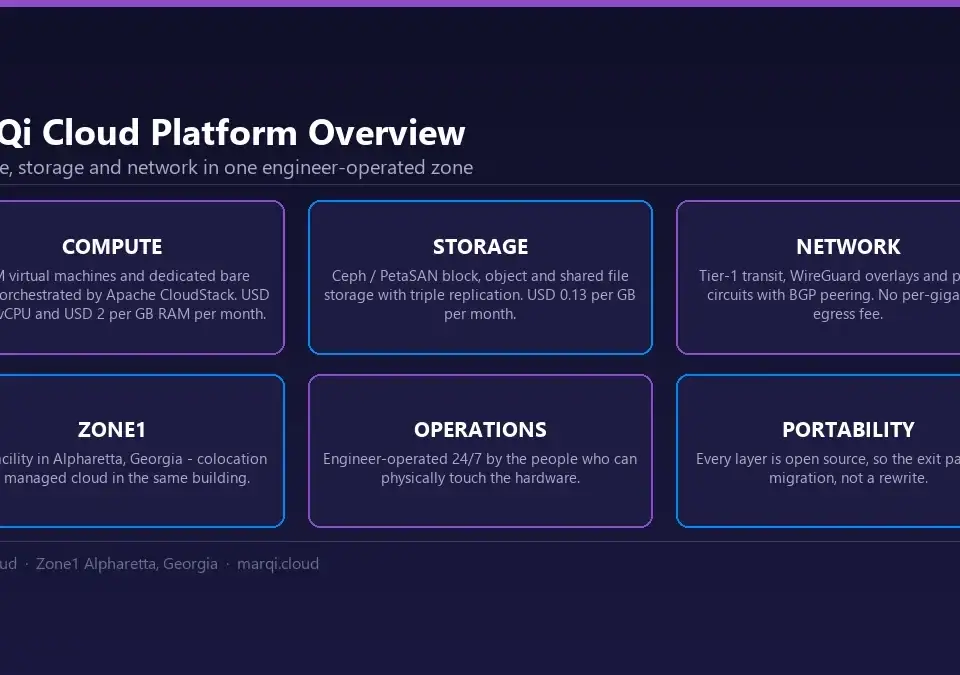
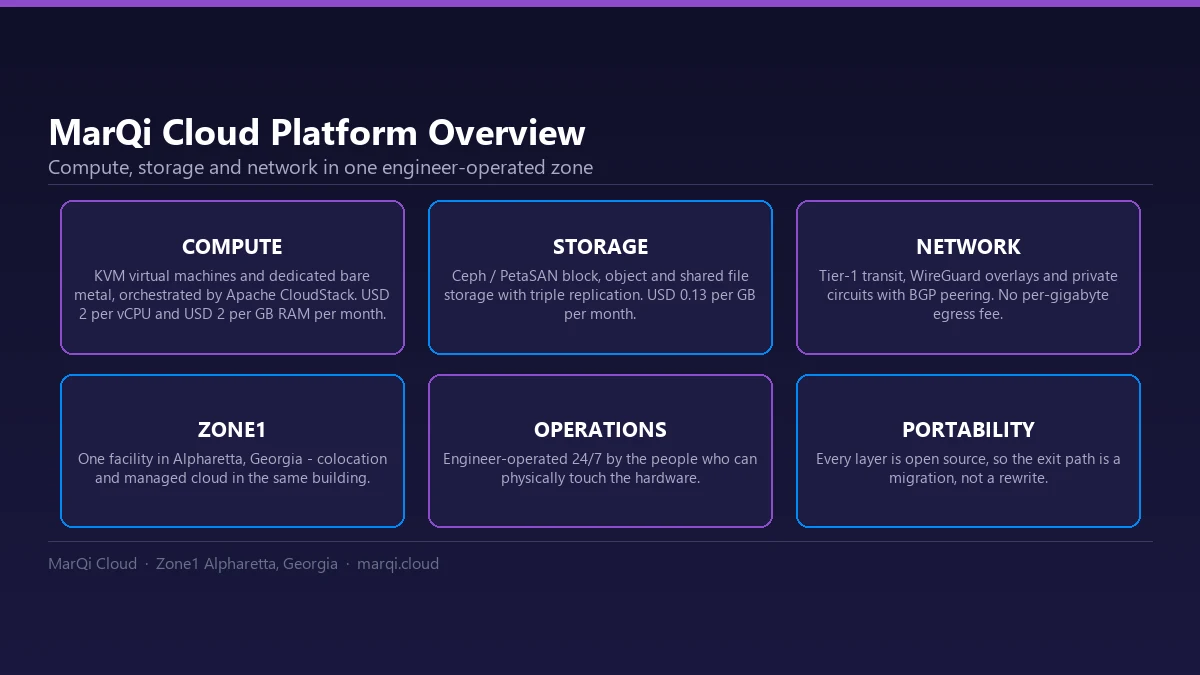
MarQi Cloud is a reliable platform that helps businesses build and run cloud-native applicationseasily. It is designed for cloud native app development servicesandenterprise cloud-native development.
- Dedicated Data Centre: MarQi Cloud has its own data centre with a strong storage system and a protected network to keep apps stable and data safe.
- Redundant Network: The network has backup systems, so apps keep running even if part of the system fails.
- Supports Cloud-Native Development:
- Works with micro services and containerized apps.
- Supports DevOps and automated CI/CD for faster updates.
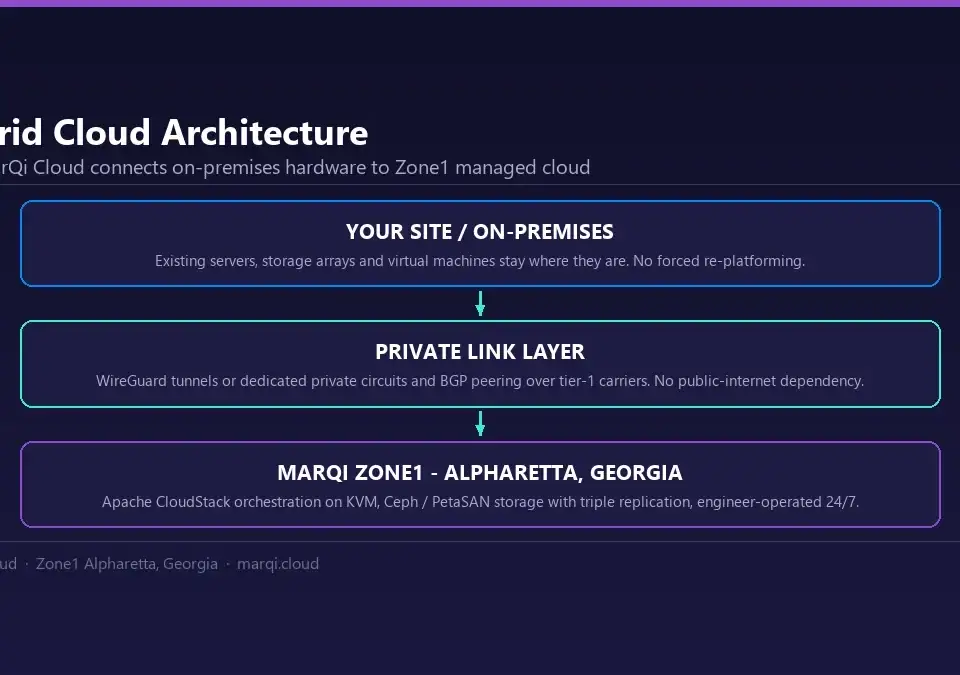
- Compatible with hybrid and multi-cloud environments.
- Business Benefits:
- Reliable apps stay online during high traffic or failures.
- Scalable resources can grow with business needs.
- High performance, fast storage, and network for responsive apps.
- Safe, strong protection for data and applications.
- Easy Management developers focus on building apps, not infrastructure.
MarQi Cloud makes building and managing modern cloud-native apps smoother, faster, and more efficient.
Conclusion:
Modern cloud-native app development services combine cloud-native application architecture, enterprise cloud-native development, and cloud-native DevOps practices to deliver risk-free, scalable, and reliable solutions. MarQi Cloud provides robust infrastructure to support these solutions, helping businesses become more agile and efficient.