The Ultimate Guide to Dedicated GPU Servers Near You in Atlanta
March 18, 2026
8 Features of Modern Cloud Native App Development Services
March 18, 2026
The Future of AI Infrastructure in the Southeast: Trends, Challenges, and Opportunities
The Southeast region of the United States is rapidly emerging as a hub for artificial intelligence (AI) infrastructure development. With advancements in technology and a growing ecosystem of startups and established companies, the Southeast is poised to lead the charge in AI innovation. This article will explore the trends shaping AI infrastructure in the Southeast, the challenges faced by businesses, and the opportunities that lie ahead for enterprises looking to leverage AI technology.
Understanding AI Infrastructure
AI infrastructure refers to the hardware, software, and networking resources required to support AI initiatives, including data processing, machine learning, and deep learning applications. This infrastructure is critical for organizations looking to harness the power of AI to drive business growth and improve operational efficiency.
Components of AI Infrastructure
- Computational Power: High-performance computing resources are essential for training AI models. This includes GPUs, TPUs, and other specialized hardware.
- Storage Solutions: AI applications require large volumes of data storage, often necessitating scalable cloud storage solutions that can accommodate growing datasets.
- Networking: High-speed internet and low-latency connections are vital for data transfer and real-time processing of AI applications.
- Software Frameworks: AI development relies on software frameworks such as TensorFlow, PyTorch, and others that facilitate model building and deployment.
Trends in AI Infrastructure Development in the Southeast
The Southeast is witnessing several key trends shaping the future of AI infrastructure. These trends include:
1. Growth of Hybrid Cloud Solutions
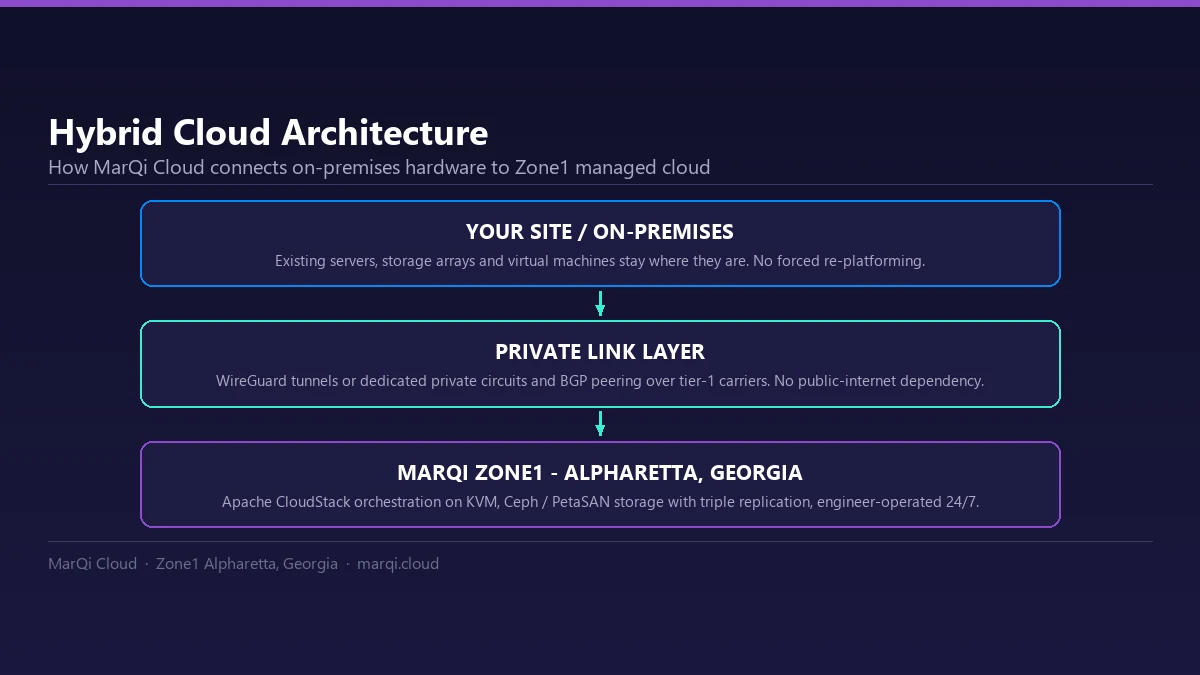
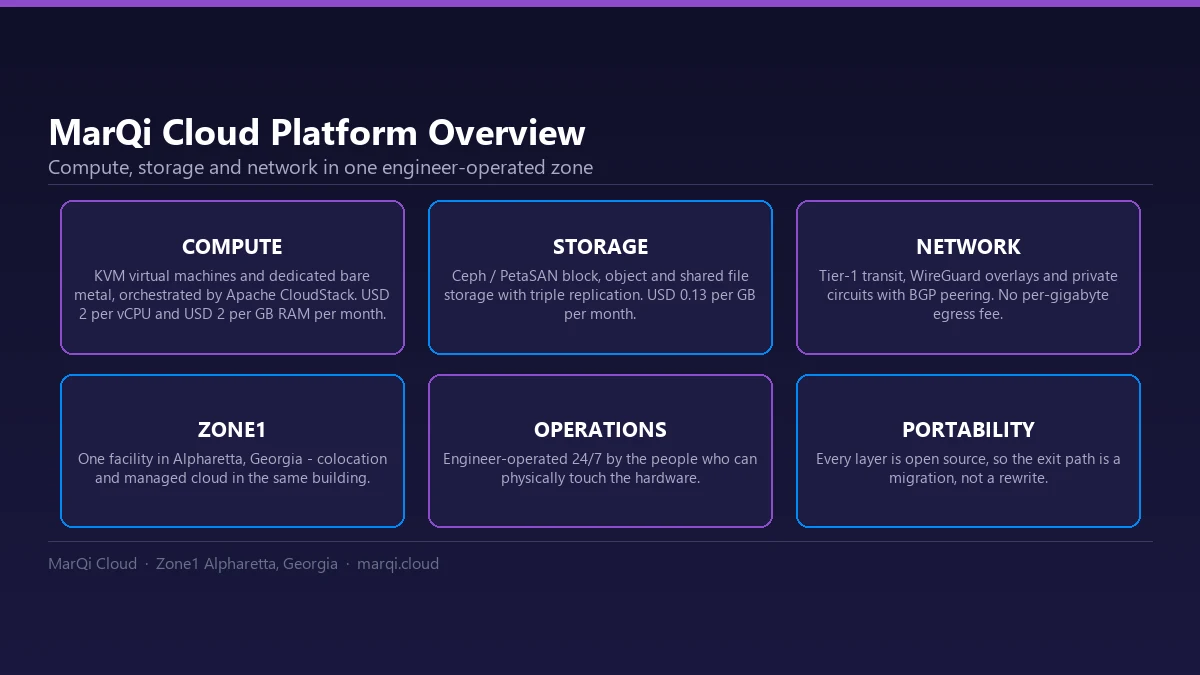
Hybrid cloud deployment models are becoming increasingly popular among organizations in the Southeast. Companies are seeking flexible solutions that combine the benefits of public and private clouds, allowing for secure data storage and efficient computing power. MarQi Cloud, for instance, offers enterprise-grade cloud infrastructure that supports hybrid cloud strategies, enabling businesses to scale their resources as needed.
2. Investment in AI Startups
The Southeast has seen a surge in investment in AI startups, with venture capital flowing into the region. This influx of funding is driving innovation and fostering the development of advanced AI technologies. Cities like Atlanta, Charlotte, and Nashville are emerging as hotspots for AI talent and investment.
3. Focus on Data Privacy and Security
As organizations increasingly rely on AI, the importance of data privacy and security cannot be overstated. Businesses in the Southeast are prioritizing secure hosting environments and compliance with regulations such as GDPR and CCPA. This focus on security is crucial for building trust with customers and safeguarding sensitive information.
4. Collaborations between Academia and Industry
Many universities in the Southeast are collaborating with businesses to advance AI research and development. These partnerships are fostering innovation and providing students with hands-on experience in AI technologies. Institutions like Georgia Tech and Duke University are at the forefront of this movement, contributing to the region’s growing AI talent pool.
Challenges Facing AI Infrastructure in the Southeast
While the future of AI infrastructure in the Southeast is bright, several challenges must be addressed:
1. Talent Shortage
The demand for skilled AI professionals is outpacing supply in the Southeast. Organizations are competing for a limited pool of talent, which can hinder their ability to implement AI initiatives effectively.
2. Infrastructure Limitations
Some areas in the Southeast still face limitations in terms of high-speed internet and advanced data centers. Addressing these infrastructure gaps is essential for supporting the region’s growing AI needs.
3. Regulatory Hurdles
As AI technology evolves, regulatory frameworks will need to adapt to ensure ethical and responsible use. Navigating these regulations can be challenging for businesses looking to implement AI solutions.
Opportunities for Businesses Leveraging AI Infrastructure
Despite the challenges, numerous opportunities exist for businesses in the Southeast to leverage AI infrastructure:
1. Enhanced Decision-Making
AI technologies can help organizations make data-driven decisions by analyzing vast amounts of information quickly and accurately. This capability can lead to improved operational efficiency and competitive advantage.
2. Improved Customer Experiences
AI can enhance customer experiences through personalized recommendations, chatbots, and predictive analytics. Businesses that invest in AI infrastructure can better understand customer needs and tailor their offerings accordingly.
3. Innovation in Product Development
AI can drive innovation by enabling organizations to develop new products and services. By leveraging AI infrastructure, companies can accelerate their product development processes and bring solutions to market more quickly.
4. Cost Reduction
Implementing AI technologies can lead to significant cost savings by automating repetitive tasks and optimizing resource allocation. Businesses that embrace AI can streamline operations and reduce overhead expenses.
Conclusion
The future of AI infrastructure in the Southeast is filled with promise and potential. With a growing ecosystem of startups, investments in advanced technologies, and a commitment to innovation, the region is well-positioned to become a leader in AI development. By addressing the challenges and capitalizing on the opportunities, businesses in the Southeast can leverage AI infrastructure to drive growth and enhance their competitive edge.
FAQ
1. What is AI infrastructure?
AI infrastructure encompasses the hardware, software, and networking resources needed to support AI applications and initiatives.
2. Why is the Southeast becoming a hub for AI?
The Southeast is experiencing growth in AI startups, increased investment, and collaborations between academia and industry, making it an attractive location for AI development.
3. What are hybrid cloud solutions?
Hybrid cloud solutions combine public and private cloud resources to provide flexibility, security, and scalability for businesses.
4. How can businesses ensure data security in AI initiatives?
Businesses can prioritize secure hosting environments, comply with regulations, and implement robust data protection measures to safeguard sensitive information.
5. What challenges does the Southeast face in AI development?
Challenges include a talent shortage, infrastructure limitations, and navigating regulatory frameworks.
6. How can AI improve customer experiences?
AI can enhance customer experiences through personalized recommendations, chatbots, and predictive analytics, helping businesses better understand and meet customer needs.
7. What role does academia play in AI infrastructure development?
Academia collaborates with industry to advance research and develop talent, fostering innovation and contributing to the AI ecosystem.
8. What are the benefits of investing in AI technology?
Investing in AI can lead to enhanced decision-making, improved customer experiences, cost reduction, and innovation in product development.