
WAF + DDoS Protection: Essential Strategies for Safeguarding US Websites and APIs
March 7, 2026
Observability Stack: Metrics, Logs, Traces—What to Implement First
March 7, 2026
API Hosting for SaaS: Designing for Performance and Reliability
In today’s digital landscape, Software as a Service (SaaS) has emerged as a dominant model for delivering software solutions. The backbone of most SaaS applications is their Application Programming Interfaces (APIs). APIs allow different software systems to communicate with each other, facilitating a seamless experience for users. However, the performance and reliability of these APIs are crucial for the success of any SaaS application. In this article, we will explore the best practices for API hosting, focusing on the importance of performance and reliability.
Understanding the Importance of API Hosting
API hosting is the process of deploying APIs on cloud servers or infrastructures that facilitate their operation. The choice of hosting environment can significantly impact the performance, scalability, and reliability of your SaaS application. With the right hosting solution, you can ensure your APIs are fast, responsive, and available to users whenever they need them.
Key Considerations for API Hosting
1. Performance
The performance of your API is critical. Users expect instant responses, and any delay can lead to frustration and lost business. To optimize API performance, consider the following:
a. Latency
Latency refers to the time it takes for data to travel from the client to the server and back. Reducing latency can significantly improve user experience. Utilize Content Delivery Networks (CDNs) to cache your API responses closer to users, minimizing the distance data travels.
b. Load Balancing
Implement load balancing to distribute incoming API requests across multiple servers. This ensures that no single server becomes a bottleneck, improving response times and reliability.
c. Caching
Implement caching strategies to store frequently accessed data temporarily. This reduces the need for repetitive database queries, leading to faster response times for users.
d. Asynchronous Processing
For operations that can take time to complete, consider asynchronous processing. This allows your API to respond immediately while the processing happens in the background.
2. Reliability
Reliability is about ensuring your API is available and functional at all times. Here are some strategies to enhance reliability:
a. Redundancy
Implement redundancy by using multiple servers and data centers. This way, if one server fails, others can take over, ensuring uninterrupted service.
b. Monitoring and Logging
Continuous monitoring and logging of API performance can help identify issues before they escalate. Use monitoring tools to track response times, error rates, and system health.
c. Failover Mechanisms
Create failover mechanisms that automatically switch traffic to a backup server in case of a failure. This minimizes downtime and enhances reliability.
d. Regular Updates and Maintenance
Regularly update your API and underlying infrastructure to ensure they are secure and performing optimally. Implement maintenance windows to perform necessary updates without disrupting service.
Choosing the Right Hosting Environment
When it comes to API hosting, the choice of environment plays a crucial role in performance and reliability. Here are some options:
1. Cloud Hosting
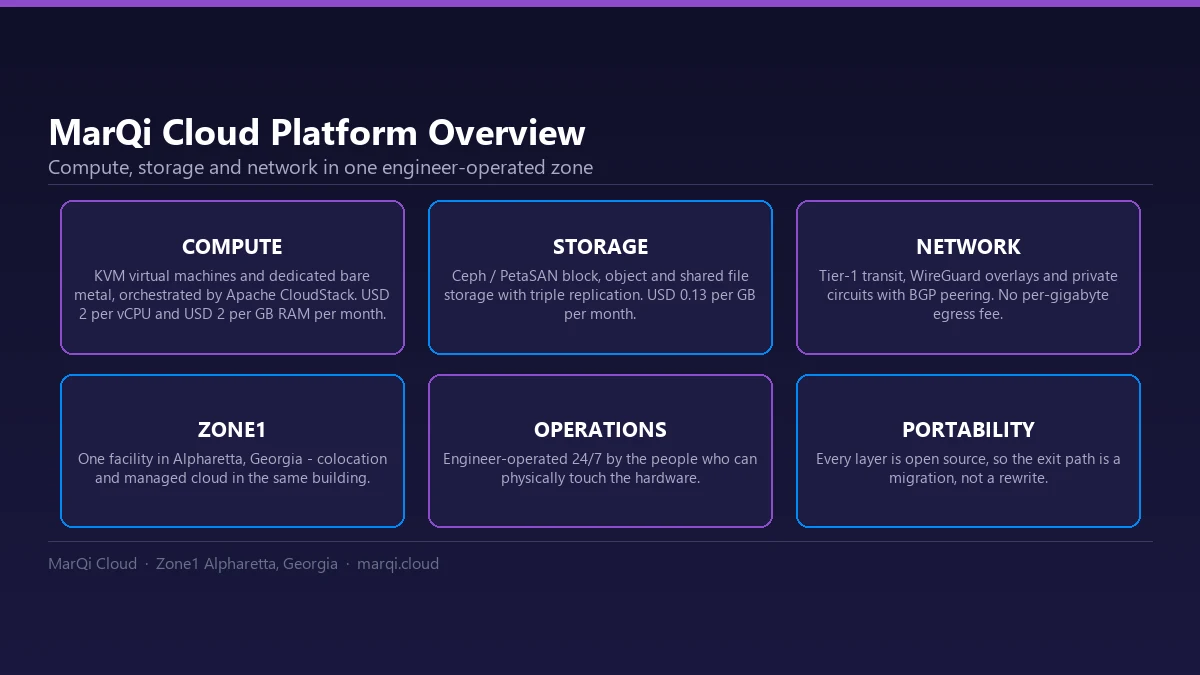
Cloud hosting provides scalable resources, allowing you to adjust capacity based on demand. It also offers redundancy and reliability, making it a popular choice for SaaS applications. Look for providers like MarQi Cloud, which offers enterprise-grade cloud infrastructure, hybrid deployment models, and scalable compute and storage resources.
2. Dedicated Hosting
Dedicated hosting provides a single server for your API, offering more control and performance. However, it may lack the scalability of cloud solutions. It’s ideal for applications with consistent traffic levels.
3. Hybrid Hosting
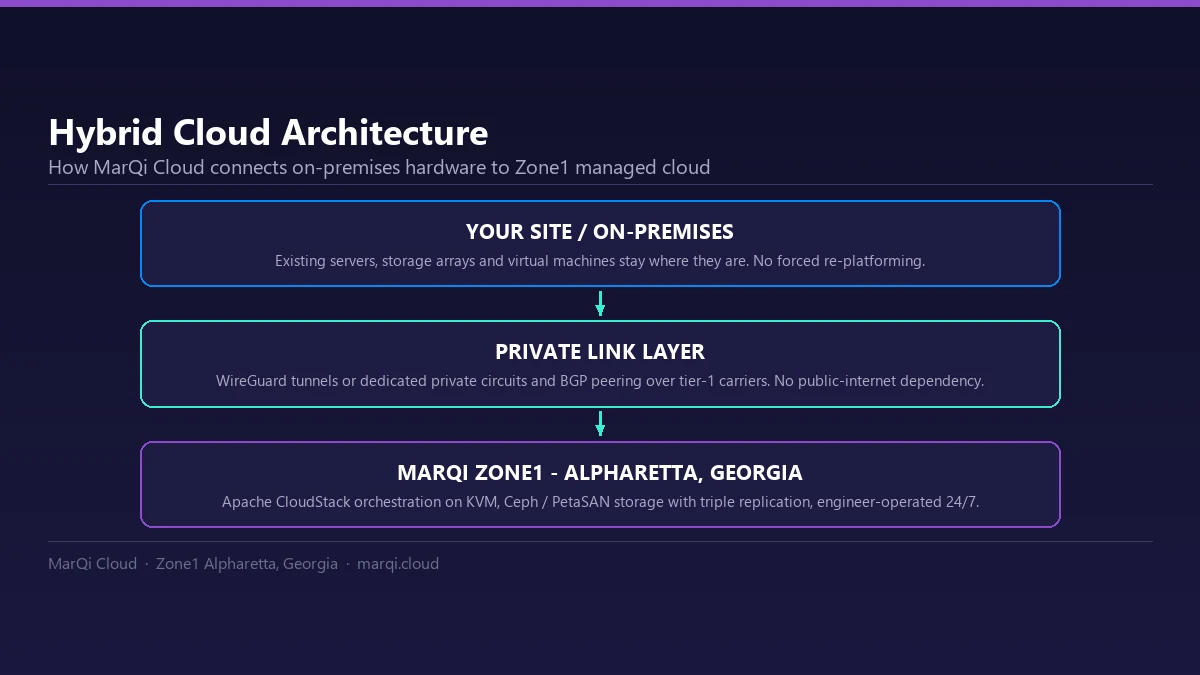
Hybrid hosting combines the benefits of both cloud and on-premises solutions. This allows you to keep sensitive data on-premises while leveraging the cloud for scalability and redundancy.
Implementing Security Measures
Security is a critical aspect of API hosting. Protecting your APIs from unauthorized access and attacks is essential for maintaining reliability. Here are some best practices:
1. Authentication and Authorization
Implement robust authentication and authorization mechanisms to ensure that only authorized users can access your APIs. Consider using OAuth, API keys, or JWT (JSON Web Tokens) for secure access control.
2. Encryption
Utilize HTTPS to encrypt data transmitted between clients and servers. This protects sensitive information from eavesdropping and man-in-the-middle attacks.
3. Rate Limiting and Throttling
Implement rate limiting and throttling to prevent abuse of your APIs. This can help mitigate denial-of-service attacks and ensure fair usage among all users.
Performance Testing and Optimization
Regularly testing your API’s performance is crucial for identifying bottlenecks and areas for improvement. Consider the following:
1. Load Testing
Conduct load testing to simulate high traffic conditions and observe how your API performs under stress. This can help you identify potential failures and optimize performance.
2. Stress Testing
Stress testing pushes your API beyond its limits to determine its breaking point. This helps in identifying weaknesses and planning for future scalability.
3. Continuous Integration and Deployment
Implement continuous integration and deployment (CI/CD) practices to automate testing and deployment of your API. This ensures that new updates do not negatively impact performance.
Conclusion
API hosting is a critical aspect of building a successful SaaS application. By focusing on performance and reliability, you can ensure that your APIs deliver a seamless experience for users. Remember to choose the right hosting environment, implement security measures, and continually test and optimize your APIs. At MarQi Cloud, we provide enterprise-grade cloud infrastructure that supports hybrid cloud deployment models, ensuring your APIs are secure, scalable, and high-performing.
FAQs
1. What is API hosting?
API hosting refers to the deployment of APIs on cloud or server infrastructures that enable their operation and availability.
2. Why is API performance important?
API performance is crucial because users expect fast response times, and delays can lead to frustration and loss of business.
3. How can I reduce API latency?
You can reduce API latency by using CDNs, load balancing, caching strategies, and asynchronous processing.
4. What are the benefits of cloud hosting for APIs?
Cloud hosting offers scalability, redundancy, and reliability, making it ideal for SaaS applications with fluctuating traffic.
5. How do I ensure the reliability of my API?
Implement redundancy, monitoring, failover mechanisms, and regular maintenance to enhance the reliability of your API.
6. What security measures should I implement for my API?
Implement strong authentication, encryption, and rate limiting to protect your API from unauthorized access and attacks.
7. What is load testing, and why is it important?
Load testing simulates high traffic conditions to observe API performance under stress, helping identify bottlenecks and areas for improvement.
8. How can MarQi Cloud help with API hosting?
MarQi Cloud offers enterprise-grade cloud infrastructure with hybrid deployment models, ensuring your API is secure, scalable, and performance-driven.