Hybrid Cloud for US Businesses: When It Beats Public Cloud in 2026
February 28, 2026
Public Cloud Bills Getting Wild? How Resource Pools Restore Predictable Costs
February 28, 2026
Atlanta vs Virginia vs Texas: The Best US Regions to Host Your Workloads
In the fast-paced world of technology and business, the location of your cloud infrastructure can significantly impact your operational efficiency, cost-effectiveness, and scalability. With an array of options available, companies are often left wondering which region provides the best environment for hosting their workloads. In this article, we will explore three prominent regions in the United States: Atlanta, Virginia, and Texas. We will delve into the unique advantages and characteristics of each area, helping you make an informed decision for your enterprise-grade cloud infrastructure needs.
Understanding the Importance of Location in Cloud Hosting
When it comes to cloud hosting, location matters more than you might think. The geographical location of your data center can influence factors such as latency, data sovereignty, disaster recovery, and connectivity. Therefore, choosing the right region for your workloads can enhance performance and provide a more secure and reliable hosting environment.
Latency and Performance
Latency refers to the time it takes for data to travel between your users and your cloud infrastructure. Lower latency can lead to better performance, making it crucial for applications that require real-time data processing. Depending on where your users are located, certain regions may provide a more favorable latency profile.
Data Sovereignty
Data sovereignty laws dictate how data is stored and managed within specific jurisdictions. Choosing a region with favorable regulations can help ensure compliance and security for your sensitive information.
Disaster Recovery and Business Continuity
In the event of a disaster, having a robust disaster recovery plan is essential. The geographical diversity of your data centers can play a crucial role in your overall business continuity strategy.
Atlanta: A Rising Star in Cloud Hosting
Atlanta, Georgia, has emerged as a significant player in the cloud hosting landscape. Its central location in the southeastern United States makes it a strategic hub for businesses looking to serve clients across the region.
Key Advantages of Hosting in Atlanta
- Infrastructure and Connectivity: Atlanta boasts a highly developed infrastructure, including a robust network of fiber optics and a major international airport. This connectivity supports low-latency access for businesses.
- Cost-Effectiveness: Compared to other metropolitan areas, Atlanta offers competitive pricing for data center space and services, making it an attractive option for companies looking to optimize their budgets.
- Skilled Workforce: With a growing tech industry, Atlanta has a pool of skilled IT professionals that can support your cloud infrastructure needs.
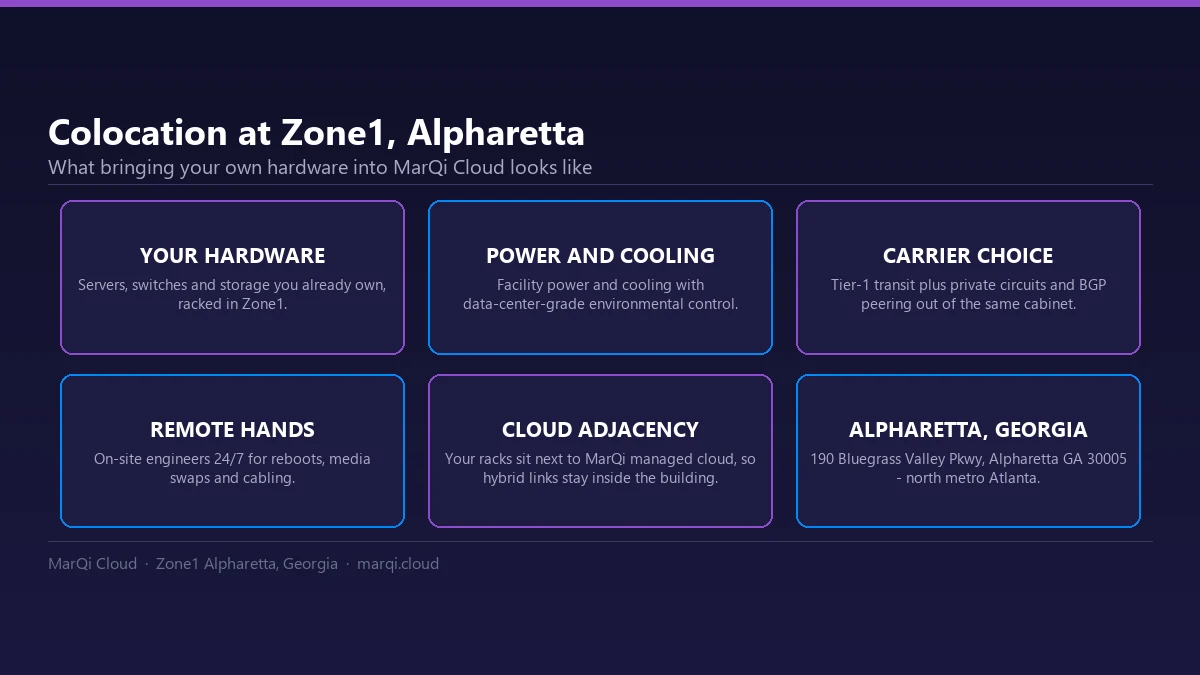
- Hybrid Cloud Deployment: Atlanta’s cloud providers offer flexible hybrid cloud solutions, allowing businesses to tailor their infrastructure to meet specific requirements.
Considerations for Atlanta
While Atlanta has many advantages, potential drawbacks include the risk of extreme weather events, such as hurricanes and tornadoes. Businesses must ensure robust disaster recovery plans are in place to mitigate these risks.
Virginia: The Data Center Capital of the U.S.
Virginia is often dubbed the “Data Center Capital of the U.S.” thanks to its concentration of data centers and cloud service providers. The region is home to many major tech companies, making it a top choice for businesses looking to host their workloads.
Key Advantages of Hosting in Virginia
- Proximity to Washington, D.C.: Virginia’s closeness to the nation’s capital offers opportunities for businesses that require government contracts or deal with sensitive data.
- Tax Incentives: The state of Virginia provides tax incentives for data center operators, making it financially appealing for businesses to host their workloads in the region.
- Robust Infrastructure: Virginia has a well-established infrastructure that includes high-speed internet and power redundancy, ensuring reliability and performance.
- Data Security: With stringent data protection laws, Virginia provides a secure environment for businesses handling sensitive information.
Considerations for Virginia
While Virginia offers numerous benefits, the competitive landscape can drive up costs. Companies must carefully evaluate their options and choose providers that meet their budget and performance needs.
Texas: The Lone Star State of Cloud Hosting
Texas, known for its vast size and diverse economy, is quickly becoming a preferred location for cloud hosting. Cities like Dallas, Austin, and Houston are emerging as tech hubs, attracting businesses from various sectors.
Key Advantages of Hosting in Texas
- Cost-Effective Solutions: Texas is known for its relatively low cost of living and operational expenses, making it an attractive option for businesses seeking affordable cloud hosting.
- Business-Friendly Environment: The state has a reputation for being business-friendly, with fewer regulations and lower taxes, which can translate into significant savings for companies.
- Diverse Industry Presence: Texas hosts a wide range of industries, from energy to technology, providing opportunities for collaboration and innovation.
- Scalability: Texas-based cloud providers offer scalable compute and storage resources, allowing businesses to easily adapt to changing demands.
Considerations for Texas
Despite its advantages, Texas also faces challenges such as extreme weather conditions, including hurricanes and flooding. A solid disaster recovery plan is essential for any business hosting workloads in this region.
Comparing the Three Regions
When comparing Atlanta, Virginia, and Texas for hosting workloads, businesses must consider various factors, including performance, cost, security, and regulatory environment. Each region has its unique advantages, and the choice ultimately depends on your specific business needs.
Performance and Latency
All three regions offer low-latency access, but your choice may depend on where your primary user base is located. Atlanta provides excellent connectivity for the southeastern U.S., while Virginia is well-positioned for the mid-Atlantic and government sector. Texas offers broad access across the central and southwestern U.S.
Cost Considerations
Atlanta and Texas are generally more cost-effective than Virginia, which may have higher operational costs due to its competitive landscape. However, the potential for tax incentives in Virginia can offset some of these costs.
Security and Compliance
Virginia stands out for its stringent data protection laws, making it a strong choice for businesses that prioritize data security. Atlanta and Texas also offer secure environments, but companies must evaluate their specific compliance requirements.
Conclusion
Choosing the right region to host your workloads is a critical decision that can impact your business’s performance and efficiency. Atlanta, Virginia, and Texas each offer unique advantages and challenges that cater to different business needs. By carefully evaluating the factors discussed in this article, you can make an informed decision that aligns with your operational goals and budget.
FAQ
1. Why is location important for cloud hosting?
Location affects latency, data sovereignty, disaster recovery, and connectivity. Choosing the right region can enhance performance and ensure compliance with regulations.
2. What are the benefits of hosting in Atlanta?
Atlanta offers strong infrastructure, cost-effectiveness, a skilled workforce, and flexible hybrid cloud deployment options.
3. Why is Virginia known as the data center capital?
Virginia has a high concentration of data centers, proximity to Washington, D.C., tax incentives, and robust infrastructure, making it attractive for cloud hosting.
4. What advantages does Texas provide for cloud hosting?
Texas offers cost-effective solutions, a business-friendly environment, diverse industry presence, and scalable resources.
5. How does latency impact cloud hosting?
Lower latency leads to better performance and faster data processing, which is crucial for real-time applications.
6. What should I consider when choosing a data center location?
Consider factors such as latency, cost, security, regulatory environment, and scalability when selecting a location.
7. Are there risks associated with hosting in these regions?
Each region faces unique risks, such as extreme weather events. It’s essential to have a robust disaster recovery plan in place.
8. How can I ensure compliance with data protection laws?
Choose a region with favorable regulations and work with providers that understand and can help you meet your compliance requirements.
9. Can I use hybrid cloud solutions in these regions?
Yes, all three regions offer hybrid cloud deployment models that allow businesses to customize their infrastructure based on specific needs.
10. What role does skilled workforce play in cloud hosting?
A skilled workforce ensures that your cloud infrastructure is managed effectively, providing the necessary support and expertise for optimal performance.