Why Zero Egress Fees Revolutionize Enterprise Cloud Economics
July 8, 2026
How Hybrid Cloud Architecture Solves Key Challenges for Growing Businesses
July 9, 2026
The Ultimate IT Director’s Guide to Evaluating Cloud Infrastructure Providers Beyond the Big Three
In today’s digital landscape, choosing the right cloud infrastructure provider is a critical decision for IT directors. While many organizations gravitate toward the well-known giants—Amazon Web Services (AWS), Microsoft Azure, and Google Cloud Platform (GCP)—there are numerous other options that can provide tailored solutions, enhanced security, and cost-effective services. This comprehensive guide will delve into the essential factors IT directors must consider when evaluating cloud infrastructure providers beyond the big three, ensuring your organization makes an informed choice that aligns with its unique needs.
Understanding Cloud Infrastructure
Cloud infrastructure refers to the hardware and software components—such as servers, storage, and networking—that are required to support cloud computing. As IT directors, understanding the architecture and functionality of cloud infrastructure is paramount to making informed decisions. The three primary models of cloud computing include:
- Infrastructure as a Service (IaaS): Offers virtualized computing resources over the internet.
- Platform as a Service (PaaS): Provides a platform allowing customers to develop, run, and manage applications without the complexity of building and maintaining the infrastructure.
- Software as a Service (SaaS): Delivers software applications over the internet, on a subscription basis.
While the big three cloud providers dominate the market, many mid-sized and specialized providers offer robust solutions tailored to specific industry needs, such as hybrid cloud infrastructure and private cloud hosting.
Key Considerations for Evaluation
When evaluating cloud infrastructure providers beyond AWS, Azure, and GCP, IT directors should consider the following factors:
1. Service Offerings
Examine the range of services offered by the provider. Look for providers that offer comprehensive solutions, including:
- Hybrid cloud capabilities
- Disaster recovery solutions
- Managed services
- Infrastructure consulting
2. Performance and Reliability
Performance can significantly impact user experience. Research the provider’s uptime guarantees, service level agreements (SLAs), and historical performance metrics. Consider conducting a performance evaluation using a trial period or proof of concept.
3. Security and Compliance
Security should be a top priority for any cloud infrastructure provider. Assess their security protocols and compliance with industry standards, such as HIPAA for healthcare or PCI DSS for financial services. Look for providers that offer comprehensive security features, including:
- Data encryption
- Firewalls
- Intrusion detection systems
4. Customer Support and Service
Evaluate the quality of customer support provided. Ensure that the provider offers multiple support channels, such as phone, email, and live chat, and check for their response times and resolution rates.
5. Cost Structure
Understand the pricing models of the providers you are considering. Look for transparent pricing with no hidden fees, and consider the total cost of ownership, which includes:
- Initial setup costs
- Monthly/annual service fees
- Potential egress fees
Benefits of Non-Traditional Cloud Providers
While the big three cloud providers offer extensive services, non-traditional providers often present unique advantages:
1. Tailored Solutions
Smaller providers may offer customized solutions that better align with specific industry needs. For example, MarQi Cloud provides healthcare organizations with compliance-focused infrastructure.
2. Enhanced Security
Many specialized providers prioritize security and compliance, offering features that may not be available with larger providers. This includes dedicated servers and private cloud environments that enhance data protection.
3. Flexible Pricing Models
Non-traditional providers often have more flexible pricing models, allowing organizations to scale resources as needed without incurring high costs. This can be particularly beneficial for startups and mid-sized businesses.
Evaluating Security and Compliance
Security is a crucial factor when selecting a cloud provider. IT directors should conduct a thorough evaluation of the following:
1. Data Protection Measures
Investigate the provider’s data protection measures, including:
- Encryption standards
- Data redundancy
- Backup procedures
2. Compliance Certifications
Check for compliance with relevant certifications and regulations, such as:
- ISO 27001
- GDPR
- HIPAA
3. Incident Response Plans
Understand how the provider handles security breaches and incidents. A robust incident response plan is essential for minimizing damage in the event of a security breach.
Cost Analysis: Beyond the Big Three
Cost is a significant factor in cloud infrastructure decisions. Conduct a thorough cost analysis to compare providers. Consider the following:
1. Pricing Models
Identify the pricing model that best aligns with your organization’s needs:
- Pay-as-you-go
- Reserved instances
- Spot pricing
2. Total Cost of Ownership
Calculate the total cost of ownership (TCO) by factoring in all associated costs, including:
- Initial setup fees
- Monthly service fees
- Potential cost savings from improved efficiency
Comparison Table
| Provider | Pricing Model | Uptime Guarantee | Compliance Certifications |
|---|---|---|---|
| AWS | Pay-as-you-go | 99.99% | ISO 27001, GDPR |
| Azure | Reserved instances | 99.95% | ISO 27001, HIPAA |
| MarQi Cloud | Custom pricing | 99.9% | ISO 27001, PCI DSS |
Performance and Scaling Capabilities
Performance is a critical factor that can directly impact your organization’s operations. Evaluate the following:
1. Load Balancing
Check if the provider offers load balancing features to ensure optimal resource allocation during peak usage times.
2. Auto-Scaling
Look for auto-scaling capabilities that allow your infrastructure to adapt to changing demands without manual intervention.
3. Global Reach
Consider providers with a global network of data centers to ensure low latency and high availability for users worldwide.
Case Studies: Successful Implementations
Understanding how other organizations have successfully implemented cloud infrastructure can provide valuable insights. Here are a few notable examples:
1. Healthcare Provider
A mid-sized healthcare provider transitioned to MarQi Cloud for their private cloud hosting needs, achieving HIPAA compliance and securing patient data while reducing costs by 30%.
2. E-commerce Business
An e-commerce business leveraged hybrid cloud solutions from a specialized provider to improve site performance during peak shopping seasons, resulting in a 50% increase in sales.
Expert Tips for IT Directors
1. Focus on your specific needs: Tailor your evaluation criteria to match your organization’s unique requirements.
2. Engage with your team: Involve key stakeholders in the decision-making process to ensure all perspectives are considered.
3. Monitor industry trends: Stay informed about emerging technologies and trends in cloud infrastructure to make proactive decisions.
Frequently Asked Questions
What should I look for in a cloud infrastructure provider?
Consider service offerings, performance, security, compliance, customer support, and cost structure.
How do I evaluate the security of a cloud provider?
Assess their data protection measures, compliance certifications, and incident response plans.
Are non-traditional cloud providers more cost-effective?
Yes, they often offer flexible pricing models and tailored solutions that can reduce overall costs.
What is the difference between IaaS, PaaS, and SaaS?
IaaS provides virtualized computing resources, PaaS offers a platform for application development, and SaaS delivers software applications over the internet.
How can I ensure high availability in cloud services?
Choose a provider with a strong uptime guarantee and global data centers for redundancy.
What are the benefits of hybrid cloud infrastructure?
Hybrid cloud combines the flexibility of public clouds with the security of private clouds, allowing for optimized resource allocation.
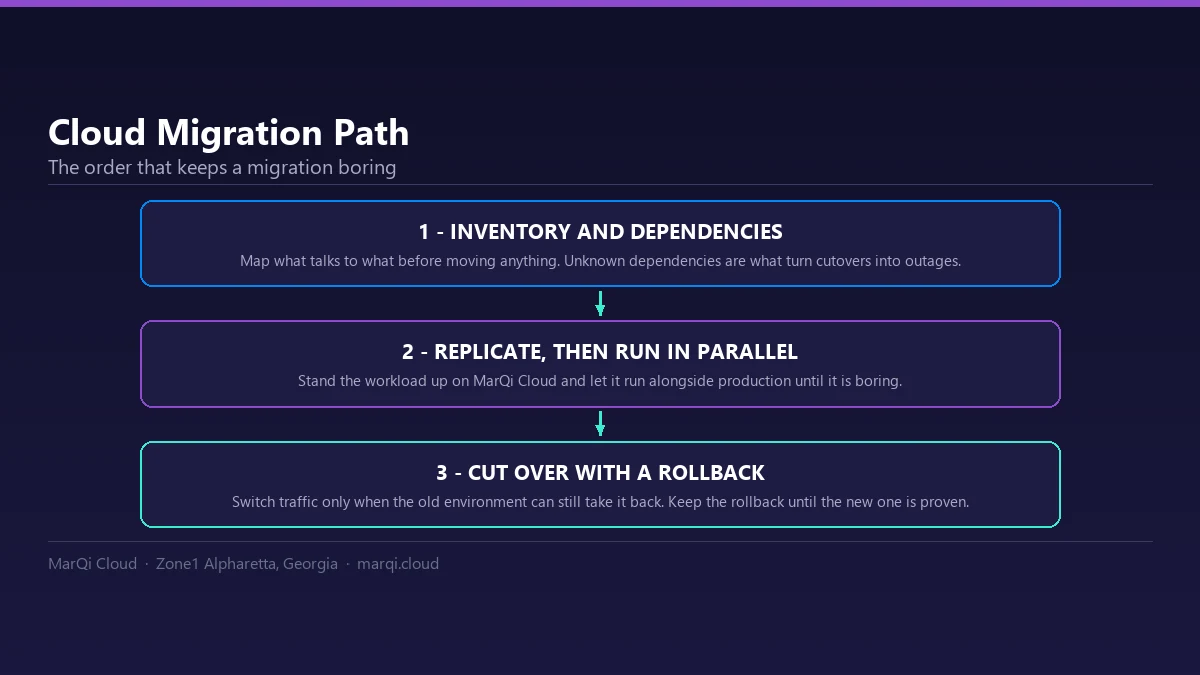
Can I migrate from AWS to another provider easily?
Yes, many providers offer cloud migration services to facilitate smooth transitions.
What role does compliance play in cloud provider selection?
Compliance ensures that the provider meets industry regulations, which is crucial for data security and legal requirements.