The Complete Guide to Cloud Infrastructure Monitoring with Open Source Tools
August 16, 2026
Why GitOps Practices Create an Auditable Trail of Infrastructure Changes
August 17, 2026
How Automated Runbooks Reduce Mean Time to Recovery for Cloud Incidents
In the ever-evolving landscape of cloud infrastructure, minimizing downtime during incidents is critical for maintaining business continuity and customer satisfaction. Automated runbooks have emerged as a powerful tool for organizations seeking to reduce their Mean Time to Recovery (MTTR) when cloud incidents occur. In this comprehensive guide, we will explore how automated runbooks function, their impact on MTTR, and best practices for implementation. By the end, you will understand how these tools can enhance your cloud operations and improve your incident response strategy. Google’s SRE book chapter on effective troubleshooting is a useful counterweight here: automation shortens the mechanical steps of an incident, not the diagnostic ones.
What Are Automated Runbooks?
Automated runbooks are predefined workflows that automate the processes and procedures necessary to respond to incidents in cloud environments. These workflows can include steps for troubleshooting, remediation, and recovery, ensuring that teams can address issues quickly and effectively. By leveraging automation, organizations can significantly reduce the manual effort involved in incident response, which often leads to faster recovery times. The phases they automate are the ones set out in NIST SP 800-61 Rev. 2, the computer security incident handling guide: preparation, detection and analysis, containment, eradication and recovery.
The Importance of Mean Time to Recovery (MTTR)
Mean Time to Recovery (MTTR) is a critical metric that measures the average time it takes to recover from a failure. In cloud environments, where downtime can lead to lost revenue, damaged reputation, and decreased customer trust, minimizing MTTR is essential. A lower MTTR indicates a more efficient incident response, which can enhance overall operational efficiency and customer satisfaction.
Downtime is expensive, and its cost per minute varies widely by industry and by how revenue-dependent the affected systems are. Therefore, investing in solutions that reduce MTTR, such as automated runbooks, is a strategic decision that can yield substantial financial benefits.
How Automated Runbooks Work
Automated runbooks function through a series of predefined steps that are executed automatically in response to specific triggers or conditions. These steps can include:
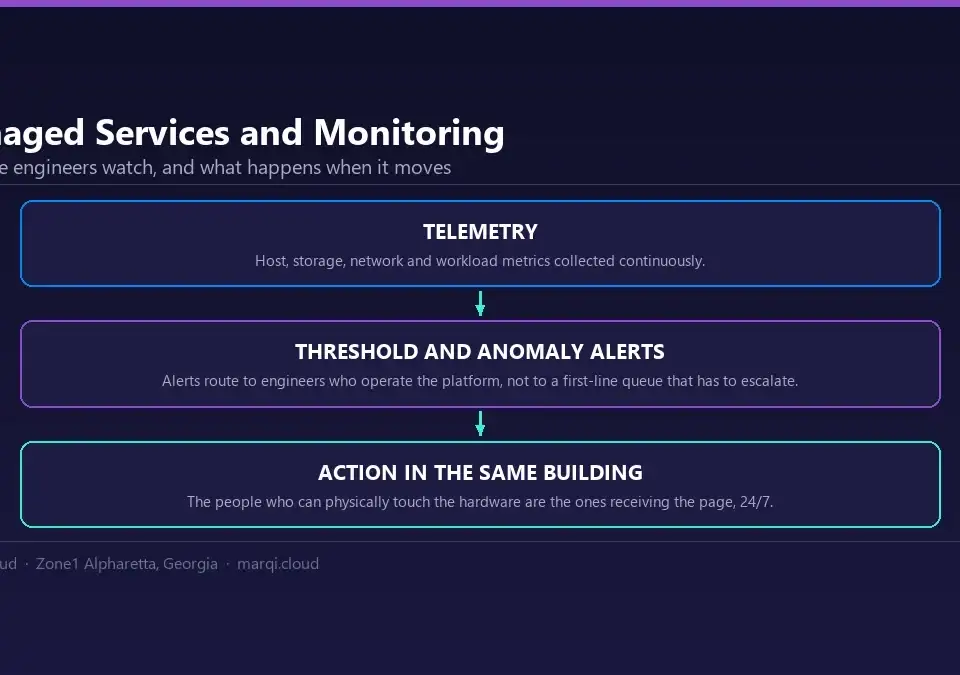
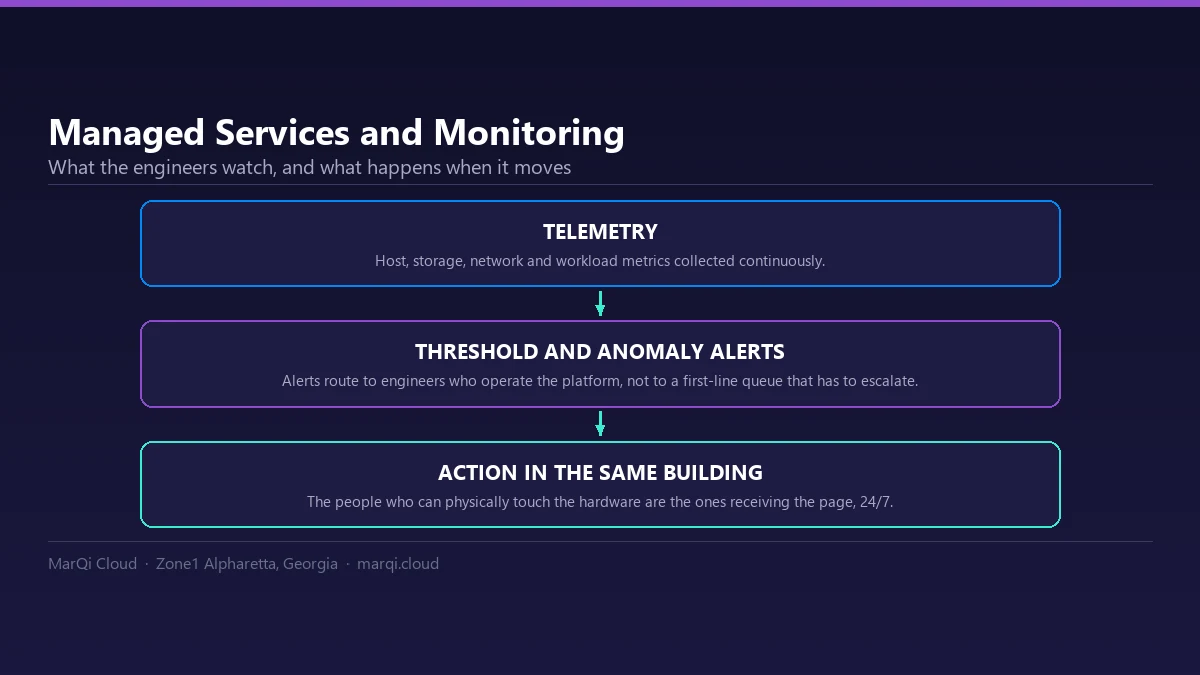
- Monitoring: Continuous monitoring of systems and applications to detect anomalies and potential issues.
- Alerting: Automated alerts are generated when an incident occurs, notifying the appropriate teams or systems.
- Execution: The automated runbook executes a series of commands or scripts to troubleshoot and remediate the issue.
- Documentation: All actions taken are logged for future reference and analysis, which is crucial for compliance and auditing.
This automated approach allows teams to respond to incidents faster and with greater accuracy, reducing the likelihood of human error.
Benefits of Automated Runbooks in Reducing MTTR
The implementation of automated runbooks can provide several key benefits that directly contribute to reduced MTTR:
1. Speedy Incident Response
Automated runbooks can execute responses to incidents in a fraction of the time it would take a human team. This rapid response is crucial in minimizing downtime, allowing businesses to maintain service availability.
2. Consistency and Accuracy
By following predefined steps, automated runbooks ensure that incidents are handled consistently and accurately. This reduces the risk of human error and ensures compliance with organizational policies.
3. Resource Optimization
Automation frees up valuable IT resources, allowing teams to focus on more strategic initiatives rather than repetitive tasks. This optimization can lead to improved productivity and job satisfaction among staff.
4. Enhanced Documentation
Automated runbooks provide detailed logs of all actions taken during an incident response. This documentation is invaluable for post-incident analysis, helping organizations learn from past incidents and improve future responses.
5. Scalability
As organizations grow, the complexity of their cloud environments increases. Automated runbooks can easily scale to accommodate new systems and processes, ensuring that incident response remains efficient.
Implementing Automated Runbooks
Implementing automated runbooks requires careful planning and execution. Here are some steps to consider:
1. Identify Key Use Cases
Begin by identifying the most common incidents that occur within your cloud infrastructure. Focus on high-impact incidents that have historically resulted in significant downtime.
2. Develop Runbook Workflows
Once you have identified key use cases, develop workflows for each incident type. These workflows should include detailed steps for monitoring, alerting, troubleshooting, and recovery.
3. Leverage Automation Tools
Utilize automation tools and platforms that integrate with your existing cloud infrastructure. Platforms such as AWS Lambda, Azure Automation, and Google Cloud Run functions can help facilitate the execution of automated runbooks.
4. Test and Refine
Before deploying automated runbooks in a production environment, conduct thorough testing to ensure that the workflows function as intended. Refine the runbooks based on feedback and testing results.
5. Monitor and Optimize
After implementation, continuously monitor the performance of your automated runbooks. Gather metrics on MTTR and make adjustments as necessary to improve efficiency.
Best Practices for Automated Runbooks
To maximize the effectiveness of automated runbooks, consider the following best practices:
1. Keep Runbooks Up to Date
Regularly review and update runbooks to reflect changes in your cloud infrastructure or incident response procedures.
2. Involve Cross-Functional Teams
Engage all relevant stakeholders in the development and review of automated runbooks to ensure comprehensive coverage of potential incidents.
3. Incorporate Feedback Loops
Establish mechanisms for collecting feedback from incident response teams to continuously improve runbook workflows.
4. Train Staff on Automation Tools
Provide training for IT staff on how to use automation tools effectively. Familiarity with these tools will enhance their ability to respond to incidents efficiently.
5. Document Everything
Maintain thorough documentation of all runbook workflows, changes, and incident responses for future reference and compliance purposes.
Example Scenarios of Automated Runbooks
The scenarios below are illustrative examples of how organizations typically apply these practices; they do not describe specific MarQi Cloud customers or measured results.
Example Scenario 1: Financial Services Firm
A leading financial services firm implemented automated runbooks to manage their cloud infrastructure. By automating their incident response processes, they reduced their MTTR from hours to minutes, resulting in significant cost savings and improved customer satisfaction.
Example Scenario 2: E-commerce Platform
An e-commerce platform faced frequent downtime during peak shopping seasons. By leveraging automated runbooks, they optimized their incident response and reduced MTTR, allowing them to handle increased traffic without service interruptions.
Conclusion
Automated runbooks are a vital component of modern cloud incident response strategies. By reducing Mean Time to Recovery, these tools not only enhance operational efficiency but also improve customer trust and satisfaction. Organizations that adopt automated runbooks can expect to see significant improvements in their incident response capabilities, ultimately leading to a more resilient cloud infrastructure. To get started with automating your incident response, consider reaching out to MarQi Cloud for expert guidance and solutions tailored to your needs.
FAQs
What is an automated runbook?
An automated runbook is a predefined workflow that automates the response to cloud incidents, helping organizations recover quickly and efficiently.
How does automated runbook reduce MTTR?
By automating incident response processes, runbooks significantly reduce the time it takes to troubleshoot and remediate issues, thereby lowering MTTR.
What are the benefits of using automated runbooks?
Benefits include faster incident response, consistency, resource optimization, enhanced documentation, and scalability.
How do I create an automated runbook?
Identify key use cases, develop workflows, leverage automation tools, test thoroughly, and continuously monitor and optimize.
What tools can I use for automated runbooks?
Popular tools include AWS Lambda, Azure Automation, and Google Cloud Run functions.
How often should I update my runbooks?
Regularly review and update runbooks to reflect changes in your cloud infrastructure and incident response procedures.
Can automated runbooks improve compliance?
Yes, automated runbooks provide detailed documentation of incident responses, aiding in compliance and auditing efforts.
What industries benefit most from automated runbooks?
Industries with high availability requirements, such as finance, e-commerce, and healthcare, benefit significantly from automated runbooks.