The Ultimate IT Manager’s Guide to Cloud FinOps Practices
August 5, 2026
Why Egress Fee Elimination Transforms Cloud Architecture Economics
August 5, 2026
How do automated scaling policies prevent overprovisioning?
By continuously monitoring resource usage, automated scaling policies ensure that only the necessary resources are allocated, thereby preventing excess resource allocation.
How Automated Scaling Policies Prevent Overprovisioning and Performance Bottlenecks
In today’s fast-paced digital landscape, businesses are increasingly relying on cloud infrastructure to meet their performance demands. Automated scaling policies represent a pivotal strategy for organizations looking to optimize resource utilization while maintaining peak performance. In this article, we will explore how these policies work, their benefits, and how they can effectively prevent both overprovisioning and performance bottlenecks within your enterprise cloud environment. By the end, you’ll understand the importance of automated scaling and how to implement it effectively in your operations.
Understanding Automated Scaling
Automated scaling, often referred to as auto-scaling, is a cloud computing capability that automatically adjusts the amount of computational resources allocated to an application based on its current demand. This dynamic adjustment is crucial for businesses that experience fluctuating workloads, ensuring that they only utilize the necessary resources at any given time.
There are two primary types of scaling: vertical scaling and horizontal scaling. Vertical scaling involves adding more resources (like CPU or RAM) to a single server, while horizontal scaling entails adding more servers to distribute the load. Automated scaling can handle both types effectively, providing a flexible environment that adapts to the needs of the application.
The Importance of Scaling Policies
Scaling policies are the rules that dictate how and when resources should be allocated or deallocated. These policies are essential for ensuring that your cloud infrastructure remains efficient and cost-effective. By setting clear guidelines for resource management, businesses can avoid common pitfalls such as overprovisioning and performance bottlenecks.
Organizations that implement effective scaling policies can reduce their cloud spending meaningfully. This is a significant saving, especially for mid-size to enterprise-level organizations that often face unpredictable workloads.
Preventing Overprovisioning with Automated Scaling
Overprovisioning occurs when businesses allocate more resources than necessary to handle their workloads. This not only leads to increased costs but also wastes valuable resources that could be utilized elsewhere. Automated scaling policies help prevent overprovisioning by continuously monitoring resource usage and adjusting allocations accordingly.
For example, consider a mid-size e-commerce company that experiences a surge in traffic during holiday sales. Without automated scaling, the company might provision additional servers to handle the increased load. However, once the holiday season is over, these resources remain idle, leading to unnecessary costs. With automated scaling, the infrastructure would dynamically allocate resources during peak times and scale back once the traffic subsides.
| Feature | Manual Scaling | Automated Scaling |
|---|---|---|
| Resource Allocation | Fixed allocation | Dynamic allocation |
| Cost Efficiency | High | Low |
| Response Time | Slow | Immediate |
| Management Overhead | High | Minimal |
As shown in the table, automated scaling significantly reduces management overhead and improves response times, making it a more efficient choice for enterprises looking to optimize their cloud infrastructure.
Avoiding Performance Bottlenecks
Performance bottlenecks occur when the demand for resources exceeds the available supply, leading to degraded application performance. Automated scaling policies can effectively mitigate these issues by ensuring that sufficient resources are available to meet demand.
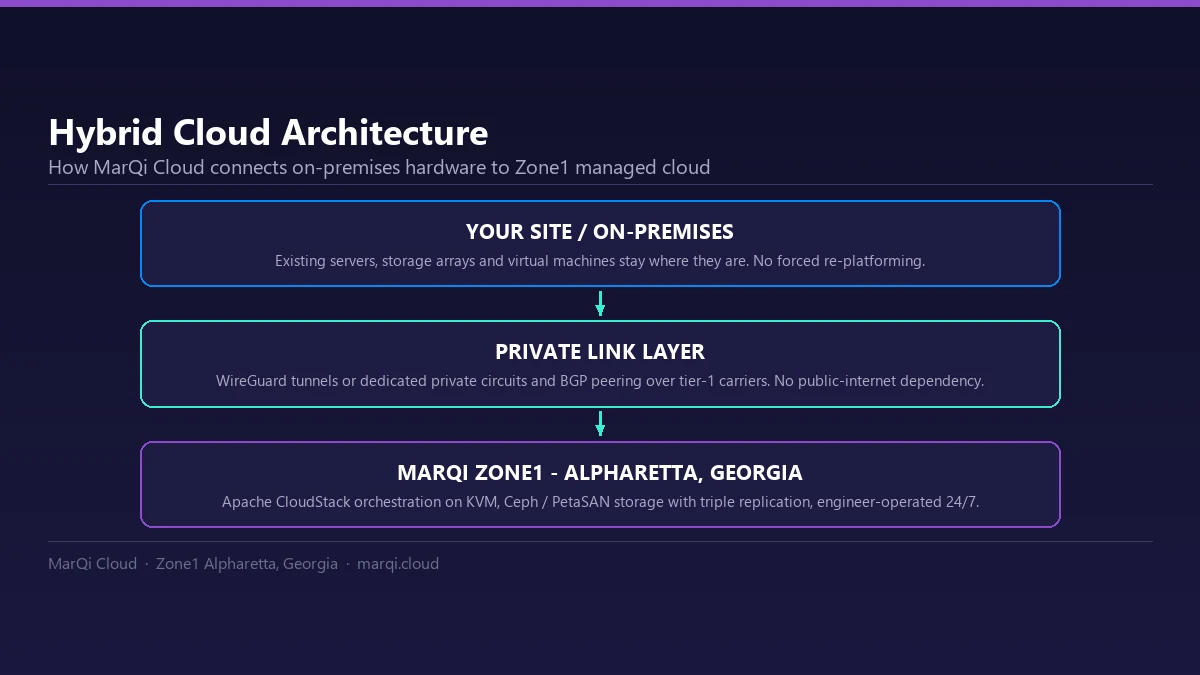
For instance, an organization utilizing a hybrid cloud infrastructure can leverage automated scaling to seamlessly integrate on-premise resources with cloud resources. This allows for rapid resource allocation without manual intervention, ensuring that performance remains consistent even during peak usage times.
Additionally, automated scaling policies can be configured to prioritize critical workloads. For example, if an application experiences a sudden spike in traffic, the policy can automatically allocate additional resources to that specific application, ensuring that it maintains optimal performance while other less critical applications may be temporarily scaled back.
Best Practices for Implementing Scaling Policies
To fully leverage the benefits of automated scaling, organizations should consider the following best practices:
- Define Clear Metrics: Establish clear performance metrics that trigger scaling actions. This could include CPU utilization, memory usage, or response times.
- Test Your Policies: Conduct thorough testing of your scaling policies to ensure they respond appropriately under various conditions. This will help identify any potential issues before they impact your users.
- Monitor and Adjust: Continuous monitoring of resource usage and application performance is essential. Use cloud monitoring tools to track performance metrics and adjust policies as needed.
- Leverage Predictive Analytics: Implement predictive analytics to forecast demand spikes based on historical data. This proactive approach can help in preparing resources ahead of time.
- Educate Your Team: Ensure that your IT team understands how automated scaling works and the importance of maintaining effective scaling policies. Regular training sessions can keep them updated on the latest trends and technologies.
Case Studies
To illustrate the effectiveness of automated scaling policies, let’s look at a couple of real-world examples:
Case Study 1: E-commerce Retailer
An e-commerce retailer implemented automated scaling policies during its peak season. By monitoring traffic patterns and sales data, the company was able to dynamically scale its resources, resulting in a 50% reduction in downtime and a 20% increase in sales compared to the previous year.
Case Study 2: SaaS Provider
A Software as a Service (SaaS) provider faced challenges with fluctuating user demand. By adopting automated scaling policies, they managed to reduce their infrastructure costs by 35% while maintaining a 99.99% uptime. This allowed them to focus on improving their application rather than managing infrastructure.
FAQ
What are automated scaling policies?
Automated scaling policies are rules that dictate how and when cloud resources should be adjusted based on current demand, allowing for dynamic resource allocation.
How do automated scaling policies prevent overprovisioning?
By continuously monitoring resource usage, automated scaling policies ensure that only the necessary resources are allocated, thereby preventing excess resource allocation.
Can automated scaling policies help avoid performance bottlenecks?
Yes, by automatically allocating additional resources during peak demand periods, automated scaling policies help maintain optimal application performance.
What metrics should I use for scaling policies?
Common metrics include CPU utilization, memory usage, response times, and application-specific performance indicators.
How often should I review my scaling policies?
Regular reviews, ideally quarterly, can ensure that your scaling policies remain effective and aligned with your business needs.
What are the benefits of using automated scaling?
Benefits include cost savings, improved performance, reduced management overhead, and enhanced flexibility to adapt to changing workloads.
Can automated scaling work in a hybrid cloud environment?
Yes, automated scaling can effectively manage resources across both on-premise and cloud environments in a hybrid cloud setup.
How do I implement automated scaling policies?
Start by defining clear metrics, testing your policies, monitoring performance, and leveraging predictive analytics for better resource management.
Conclusion
Automated scaling policies are essential for modern cloud infrastructure management, providing organizations with the agility needed to respond to fluctuating demand while preventing overprovisioning and performance bottlenecks. By implementing effective scaling strategies, businesses can optimize their resource utilization, reduce costs, and enhance overall performance. As you consider your cloud strategy, remember that an investment in automated scaling is an investment in the future of your business. For more insights on optimizing your cloud infrastructure, explore our cloud migration strategies and disaster recovery solutions.