The Complete Guide to ETL and ELT Pipeline Architecture on Cloud Infrastructure
September 18, 2026
Why Master Data Management on Cloud Creates a Single Source of Truth
September 18, 2026
How Change Data Capture Enables Real-Time Data Synchronization in Cloud Systems
In today’s data-driven landscape, organizations are increasingly turning to cloud systems for enhanced agility, scalability, and operational efficiency. However, with the proliferation of disparate data sources and increasing data complexity, ensuring real-time data synchronization across these systems has become a paramount challenge. This is where Change Data Capture (CDC) emerges as a game-changing technology. By enabling organizations to track and capture changes in data as they occur, CDC facilitates seamless real-time data synchronization between cloud systems. In this comprehensive guide, we will explore the intricacies of how Change Data Capture works, its benefits, best practices, and how it can be effectively implemented to drive business value.
What is Change Data Capture?
Change Data Capture (CDC) is a data management technique used to identify and capture changes made to a database, enabling organizations to track modifications in real-time. CDC operates by monitoring data changes, such as inserts, updates, and deletes, and subsequently propagating these changes to other systems or applications. This is particularly valuable in environments where data is constantly changing, such as in cloud systems, where organizations may have multiple databases and applications that need to remain synchronized.
How Does Change Data Capture Work?
CDC functions by utilizing various methods to monitor and capture changes made to data. The most common approaches include:
- Log-Based CDC: This method leverages database transaction logs to capture changes. As transactions occur, the CDC process reads the logs and identifies the changes, which are then applied to the target system.
- Trigger-Based CDC: In this approach, triggers are implemented on the database tables. When a change occurs, the trigger captures the change and records it in a designated change table, which can then be synchronized with other systems.
- Timestamp-Based CDC: This method uses timestamps to identify changes. Each record is assigned a timestamp, and the CDC process queries the database for records that have been modified since the last synchronization.
Regardless of the method used, CDC plays a crucial role in enabling real-time data synchronization, ensuring that all systems reflect the most current data. This capability is especially critical for organizations that rely on timely and accurate data for decision-making.
Benefits of Change Data Capture
Implementing Change Data Capture offers numerous benefits for organizations leveraging cloud systems:
- Real-Time Data Synchronization: CDC allows for immediate capture and propagation of data changes, ensuring that all systems are up-to-date without significant delays.
- Reduced Data Latency: By capturing only the changes rather than the entire dataset, CDC minimizes the amount of data that needs to be transferred, resulting in lower latency and improved performance.
- Improved Data Quality: Real-time synchronization helps maintain data consistency and accuracy across multiple systems, reducing the risk of errors and discrepancies.
- Enhanced Business Agility: With timely access to updated data, organizations can make informed decisions faster, respond to market changes, and adapt their strategies accordingly.
- Cost-Effectiveness: By eliminating the need for batch processing and reducing data transfer volumes, CDC can lead to cost savings in terms of infrastructure and operational expenses.
Implementing Change Data Capture
Implementing Change Data Capture involves several key steps:
- Assess Your Data Environment: Understand the existing data architecture, including the databases and applications involved, to identify the best approach for CDC.
- Select a CDC Tool: Choose a CDC solution that aligns with your infrastructure and business needs. Popular tools include Debezium, AWS Database Migration Service, and Attunity.
- Configure Data Sources: Set up the CDC process by configuring data sources, including specifying which tables or databases to monitor for changes.
- Test and Validate: Conduct thorough testing to ensure that changes are accurately captured and synchronized. Validate that the data integrity is maintained throughout the process.
- Monitor and Optimize: Continuously monitor the CDC process to identify any issues or bottlenecks. Optimize the configuration as needed to improve performance.
CDC and Cloud Integration
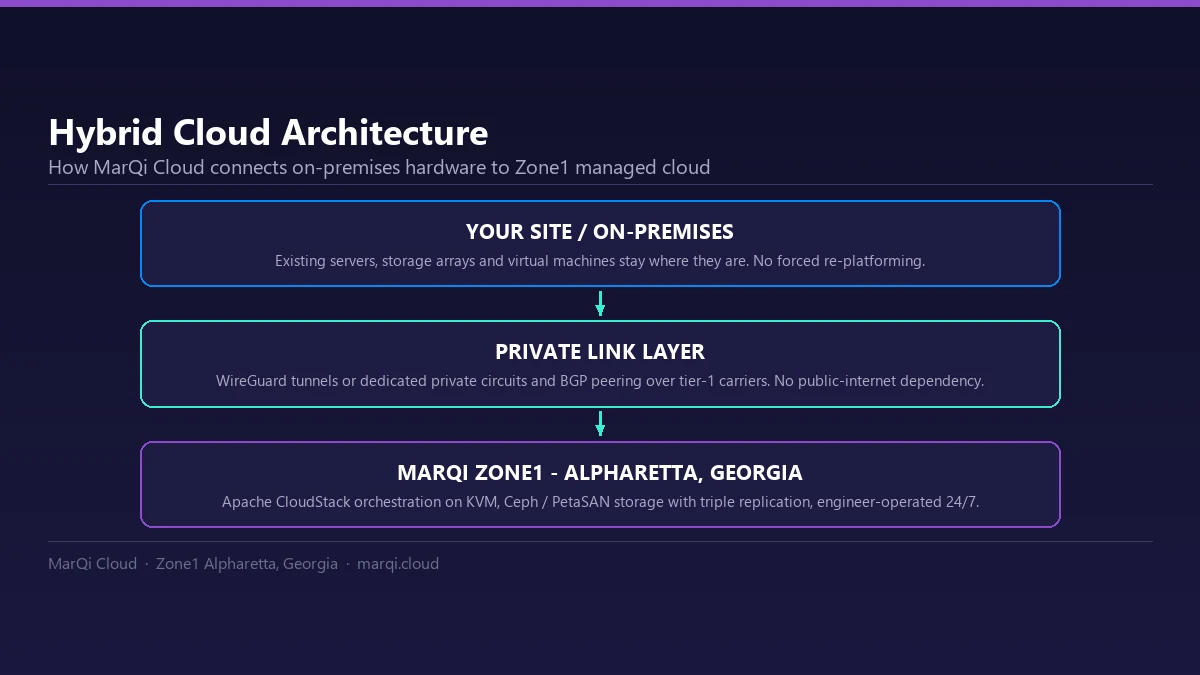
As organizations increasingly migrate to cloud environments, integrating Change Data Capture with cloud systems becomes essential. CDC facilitates seamless data synchronization between on-premises databases and cloud-based applications, enabling organizations to leverage the benefits of both environments. For instance, companies can use CDC to synchronize data between their on-premises ERP systems and cloud-based CRM solutions, ensuring that sales and customer data remain consistent and up-to-date.
Moreover, CDC supports hybrid cloud deployments, allowing organizations to maintain data consistency across multiple cloud providers or regions. This capability is particularly beneficial for businesses with distributed operations, as it ensures that all teams have access to the same up-to-date information.
Best Practices for Change Data Capture
To maximize the effectiveness of Change Data Capture, organizations should adhere to the following best practices:
- Choose the Right CDC Method: Select a CDC method that aligns with your data architecture and business requirements. For high-volume environments, log-based CDC is often the most efficient.
- Implement Robust Monitoring: Establish monitoring mechanisms to track the performance of the CDC process. This includes monitoring data latency, error rates, and system resource utilization.
- Ensure Data Security: Protect sensitive data by implementing security measures such as encryption and access controls during the CDC process.
- Document the CDC Process: Maintain thorough documentation of the CDC implementation, including configurations, workflows, and troubleshooting procedures.
- Regularly Review and Update: Periodically assess the CDC process to identify areas for improvement and ensure it continues to meet evolving business needs.
Real-World Examples of CDC in Action
Several organizations have successfully implemented Change Data Capture to enhance their cloud data synchronization efforts:
| Organization | Industry | CDC Implementation |
|---|---|---|
| Company A | Retail | Used CDC to synchronize inventory data between on-premises ERP and cloud-based eCommerce platform, resulting in improved stock accuracy and reduced order fulfillment times. |
| Company B | Healthcare | Implemented CDC to ensure real-time patient data synchronization between electronic health records (EHR) systems and cloud-based analytics platforms, enhancing patient care and operational efficiency. |
| Company C | Finance | Leveraged CDC to synchronize transaction data between on-premises databases and cloud-based financial reporting tools, ensuring timely and accurate financial reporting. |
Frequently Asked Questions
What is Change Data Capture (CDC)?
Change Data Capture (CDC) is a technique used to identify and capture changes made to a database, enabling real-time data synchronization across systems.
How does CDC work?
CDC works by monitoring data changes through methods like log-based, trigger-based, or timestamp-based approaches, capturing changes as they occur.
What are the benefits of using CDC?
The benefits of CDC include real-time data synchronization, reduced latency, improved data quality, enhanced business agility, and cost-effectiveness.
How can I implement CDC in my organization?
To implement CDC, assess your data environment, select a CDC tool, configure data sources, test the process, and continuously monitor and optimize.
Is CDC suitable for cloud environments?
Yes, CDC is highly suitable for cloud environments, facilitating seamless integration and synchronization between on-premises and cloud-based systems.
What challenges can arise with CDC?
Challenges with CDC can include data security concerns, performance issues, and complexities in managing data transformations during synchronization.
How can I ensure data security during CDC?
Data security can be ensured during CDC by implementing encryption, access controls, and monitoring mechanisms to protect sensitive information.
What tools are available for implementing CDC?
Popular CDC tools include Debezium, AWS Database Migration Service, and Attunity, which facilitate the capture and synchronization of data changes.
Can CDC be used for hybrid cloud deployments?
Yes, CDC is effective for hybrid cloud deployments, ensuring data consistency across multiple cloud providers or regions.
How does CDC improve data quality?
CDC improves data quality by ensuring real-time synchronization, reducing discrepancies, and maintaining data consistency across systems.
What industries benefit most from CDC?
Industries such as retail, healthcare, and finance benefit significantly from CDC, as real-time data synchronization is crucial for operational efficiency and decision-making.
How does CDC compare to traditional ETL processes?
CDC differs from traditional ETL processes by capturing changes in real-time rather than relying on batch processing, resulting in lower latency and improved data accuracy.
What are the costs associated with implementing CDC?
Costs associated with CDC can vary based on the chosen tools, infrastructure requirements, and ongoing maintenance needs. Organizations should assess their specific needs to determine the total cost.
Conclusion
Change Data Capture (CDC) is an invaluable tool for organizations seeking to achieve real-time data synchronization between cloud systems. By understanding how CDC works, its benefits, and best practices for implementation, businesses can harness the power of timely data to drive informed decision-making and operational efficiency. As organizations navigate the complexities of cloud environments, leveraging CDC will enable them to stay ahead of the competition and meet the demands of an ever-evolving data landscape. To explore how MarQi Cloud can assist you in implementing secure, scalable cloud infrastructure solutions, contact us today.