How Cloud Provider Transparency in Incident Communication Builds Trust
October 17, 2026
Why Enterprise Cloud Architecture Should Be Designed for the Next Decade
October 17, 2026
The Complete Guide to Cloud Infrastructure Decommissioning & Data Sanitization
As organizations increasingly rely on cloud infrastructure to power their operations, the need for effective cloud infrastructure decommissioning and data sanitization practices becomes paramount. Whether transitioning to new cloud services or retiring outdated systems, understanding the best practices for decommissioning cloud infrastructure is essential for safeguarding sensitive information and ensuring compliance with regulatory requirements. This comprehensive guide will delve into the critical elements of cloud infrastructure decommissioning, best practices for data sanitization, and how MarQi Cloud can support your organization’s efforts in this crucial area.
Understanding Cloud Infrastructure Decommissioning
Cloud infrastructure decommissioning refers to the systematic process of retiring cloud resources that are no longer needed. This can occur for various reasons, including:
- Transitioning to a more efficient cloud provider.
- Upgrading to a new cloud model.
- Retiring outdated applications.
Effective decommissioning is not merely about shutting down services; it involves several critical steps to ensure that all data is securely managed and that the organization remains compliant with industry regulations. Inadequate decommissioning can lead to data breaches, loss of sensitive information, and potential legal ramifications.
The Importance of Data Sanitization
Data sanitization is the process of deliberately, permanently, and irreversibly removing or destroying data stored on a storage device. In the context of cloud infrastructure decommissioning, data sanitization is crucial for protecting sensitive information from unauthorized access. According to the National Institute of Standards and Technology (NIST), proper data sanitization is essential to prevent data breaches and ensure compliance with regulations such as GDPR and HIPAA.
Organizations must ensure that all data, including backups and archived data, is effectively sanitized before decommissioning cloud resources. Failure to do so can result in significant financial and reputational damage. For a detailed overview of data sanitization methods, refer to the NIST Special Publication 800-88.
Best Practices for Cloud Infrastructure Decommissioning
To effectively decommission cloud infrastructure while ensuring data integrity and security, organizations should follow these best practices:
1. Develop a Decommissioning Plan
A well-structured decommissioning plan is essential for guiding the process. This plan should include:
- Objectives and scope of the decommissioning.
- Stakeholder roles and responsibilities.
- A timeline for the decommissioning process.
- Risk assessment and mitigation strategies.
2. Inventory All Cloud Resources
Before beginning the decommissioning process, create a comprehensive inventory of all cloud resources, including:
- Instances, databases, and storage volumes.
- Applications and services used.
- Access controls and permissions.
This inventory will help ensure that no resources are overlooked during the decommissioning process.
3. Communicate with Stakeholders
Effective communication with all stakeholders is crucial to ensure a smooth decommissioning process. Notify relevant teams, including IT, compliance, and management, about the planned decommissioning and any potential impacts on operations.
4. Securely Transfer or Archive Data
Before decommissioning, ensure that any necessary data is securely transferred to new systems or archived according to your organization’s data retention policies. Utilize secure data transfer protocols and encryption to protect sensitive information during the transition.
5. Implement Data Sanitization Procedures
As discussed earlier, data sanitization is a critical component of the decommissioning process. Implement appropriate data sanitization techniques to ensure that all data is irretrievable. This may include:
- Data wiping using software tools.
- Physical destruction of storage devices.
- Cryptographic erasure.
6. Validate and Verify
After data sanitization, it is important to validate that all data has been effectively sanitized. This may include:
- Conducting audits and reviews of the sanitization process.
- Utilizing third-party verification services for added assurance.
7. Document the Decommissioning Process
Keep detailed records of the entire decommissioning process, including:
- The inventory of resources decommissioned.
- Data sanitization methods used.
- Verification and validation results.
- Any issues encountered and how they were resolved.
Documentation is essential for compliance and future reference.
Data Sanitization Techniques and Methods
Organizations have various data sanitization techniques at their disposal, each with its own set of advantages and disadvantages. Below is a comparison table detailing some of the most common methods:
| Sanitization Method | Description | Advantages | Disadvantages |
|---|---|---|---|
| Data Wiping | Utilizes software to overwrite data multiple times. | Cost-effective; can be performed remotely. | May not be effective against advanced recovery techniques. |
| Physical Destruction | Involves physically destroying storage devices. | Guaranteed data destruction; highly secure. | Can be costly; environmentally unfriendly without proper recycling. |
| Cryptographic Erasure | Uses encryption to render data unreadable. | Fast and efficient; can protect data in case of device theft. | Requires proper management of encryption keys. |
Choosing the right data sanitization method depends on your organization’s specific needs, regulatory requirements, and budget considerations.
Compliance and Regulatory Considerations
Compliance with industry regulations is a critical aspect of cloud infrastructure decommissioning and data sanitization. Organizations must be aware of the specific regulations that apply to their industry, such as:
- General Data Protection Regulation (GDPR): Requires organizations to ensure data is securely deleted when no longer needed.
- Health Insurance Portability and Accountability Act (HIPAA): Mandates that healthcare organizations implement strict data sanitization practices.
- Federal Risk and Authorization Management Program (FedRAMP): Establishes security requirements for cloud services used by federal agencies.
Failure to comply with these regulations can result in severe penalties and reputational damage. It is essential to consult with legal and compliance experts to ensure that your decommissioning practices align with applicable regulations.
How MarQi Cloud Supports Your Decommissioning Strategy
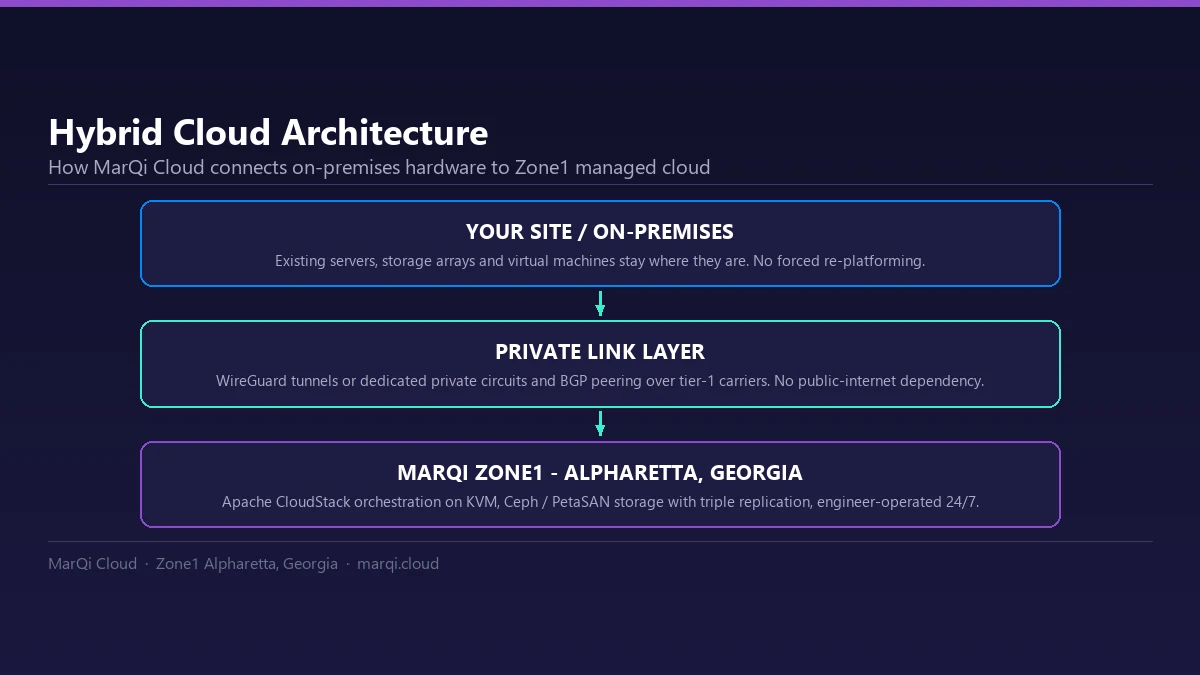
At MarQi Cloud, we understand the importance of secure cloud infrastructure decommissioning and data sanitization. Our enterprise-grade cloud infrastructure and hybrid cloud deployment models provide the flexibility and security your organization needs during this critical process. Here’s how we can help:
- Managed Cloud Services: Our white-glove managed services ensure that your cloud infrastructure is decommissioned efficiently and securely.
- Comprehensive Documentation: We provide detailed documentation of the decommissioning process, ensuring compliance and accountability.
- Expert Consultation: Our infrastructure consultants are available to assist with your decommissioning strategy, ensuring best practices are followed.
For more information on how MarQi Cloud can support your organization’s cloud infrastructure needs, explore our Managed Services page.
Conclusion
Cloud infrastructure decommissioning and data sanitization are critical components of maintaining a secure and compliant IT environment. By following best practices and leveraging the expertise of providers like MarQi Cloud, organizations can effectively manage the decommissioning process while safeguarding sensitive data. As cloud technology continues to evolve, staying informed about decommissioning strategies and data sanitization methods will be vital for protecting your organization and its assets.
FAQs
1. What is cloud infrastructure decommissioning?
Cloud infrastructure decommissioning is the process of retiring cloud resources that are no longer needed, ensuring that data is securely managed and compliant with regulations.
2. Why is data sanitization important?
Data sanitization is crucial for protecting sensitive information from unauthorized access and ensuring compliance with industry regulations.
3. What are the best practices for cloud decommissioning?
Best practices include developing a decommissioning plan, inventorying resources, communicating with stakeholders, securely transferring data, implementing sanitization procedures, validating results, and documenting the process.
4. What methods are available for data sanitization?
Common methods include data wiping, physical destruction, and cryptographic erasure, each with its own advantages and disadvantages.
5. How can I ensure compliance during decommissioning?
Consult with legal and compliance experts to ensure your decommissioning practices align with applicable regulations like GDPR, HIPAA, and FedRAMP.
6. What role does MarQi Cloud play in decommissioning?
MarQi Cloud offers managed services, comprehensive documentation, and expert consultation to support organizations in their cloud infrastructure decommissioning efforts.
7. When should I consider decommissioning cloud resources?
Consider decommissioning when transitioning to a new provider, upgrading systems, or retiring outdated applications.
8. How can I verify that data has been effectively sanitized?
Conduct audits, reviews, and utilize third-party verification services to ensure data has been properly sanitized.